Time for a time-out.
I need a vacation from my vacation that isn’t really a vacation.
All signs point to Koh Rong Sanloem.
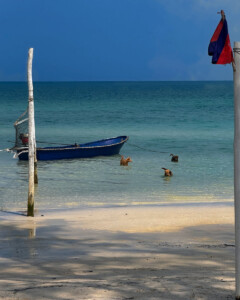
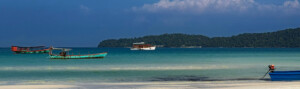
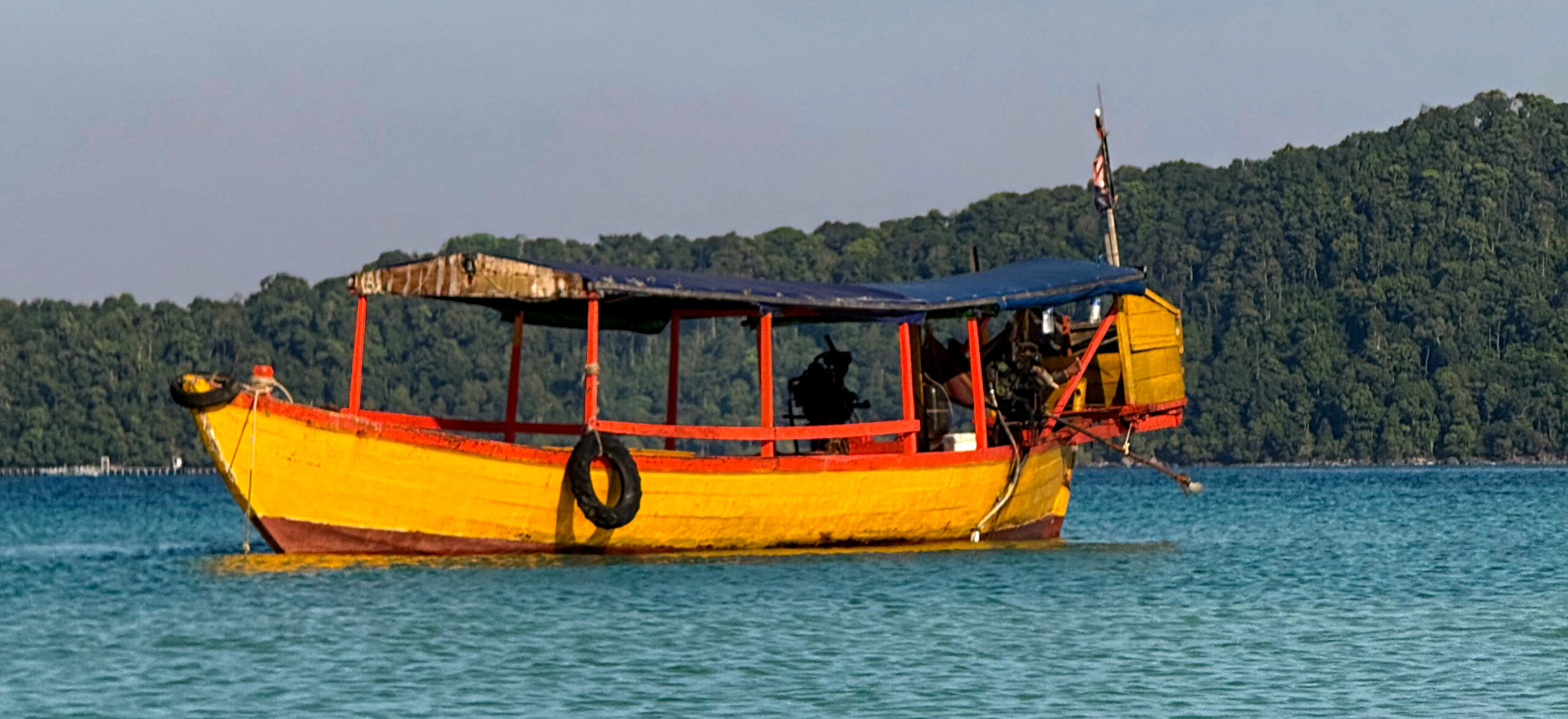
From the moment I entered the country until landing on this island, it’s been described as Cambodia’s paradise: white sandy beaches, clear blue skies, and crystal-turquoise water stretching endlessly into the horizon.
Well… not exactly my idea of a good time.
Yeah right. Hahahaha.
After the heaviness of the past two weeks, it’s time to slow my roll, cool my jets, and toggle my brain into low-power mode. As I step off the ferry, it becomes immediately apparent that this beach experience will be unlike any I’ve been fortunate enough to sink my feet into before.
While waiting for the only motorized vehicle allowed to transport both me and my outrageously large luggage to my five-day stay, I take in my surroundings.
This is not what I expected.
At all.
I’m not surprised by what I see — I’m blown away by what I don’t.
Where are the Hyatts? The Four Seasons? The Marriotts?
Why are there no ATMs, no Burger Kings, no roads?
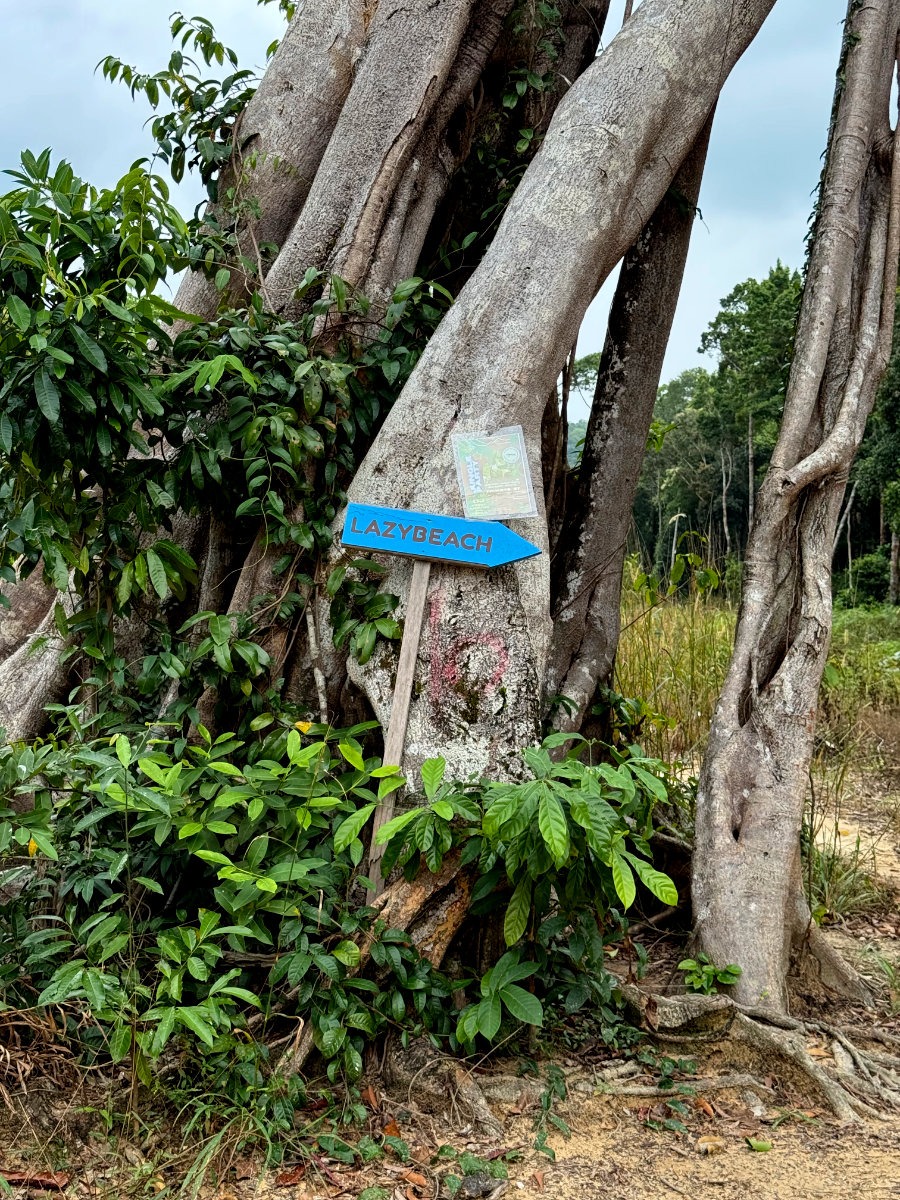
Koh Rong Sanloem sits in the Gulf of Thailand, about sixteen miles off the coast of Sihanoukville. Saracen Bay, M’Pai Bay, and Lazy Beach are accessible only by ferry. Of the island’s roughly five hundred residents, most are fishermen or pepper farmers, with the remainder working in tourism.
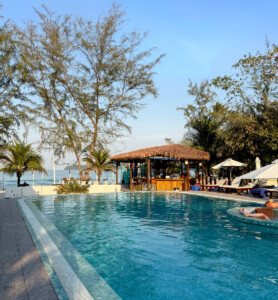
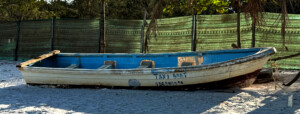
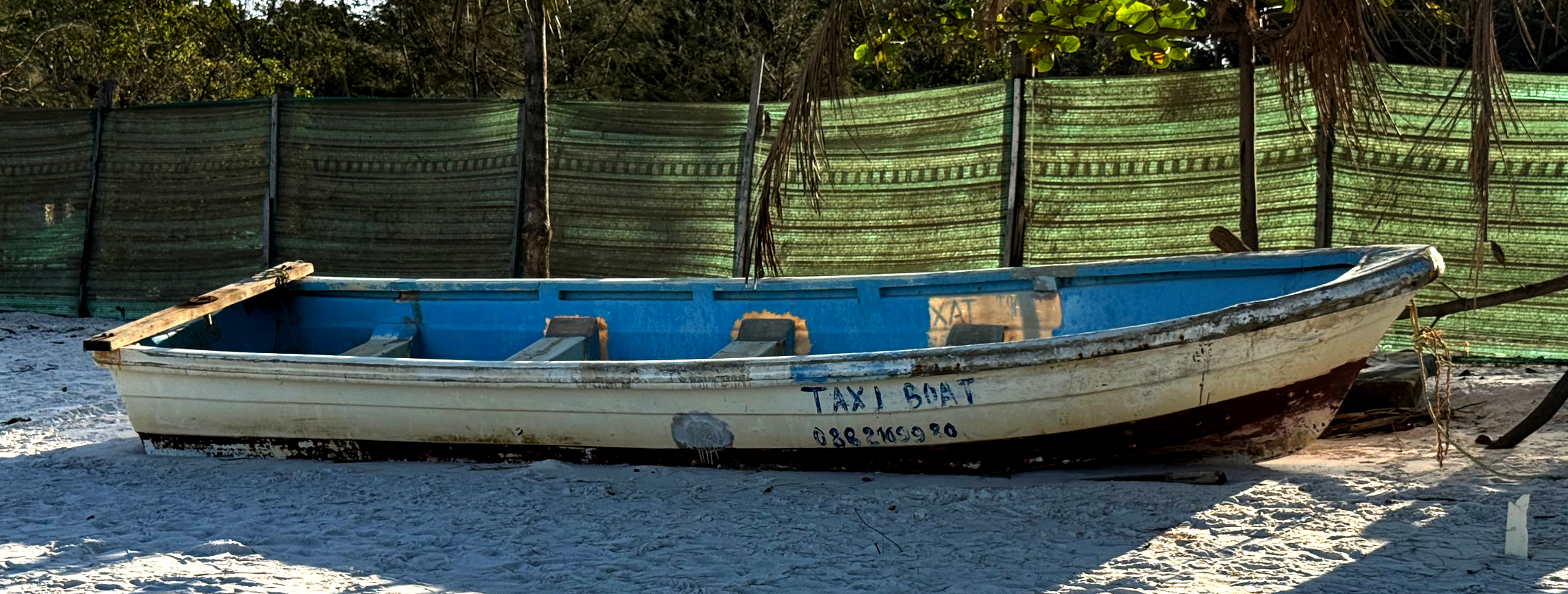
My “taxi” eventually arrives, loading me and my fifty-pound tortoise shell onto a flatbed truck before puttering along the crescent-shaped shoreline of Saracen Bay toward Sara Resort.
My God.
This place is heavenly.
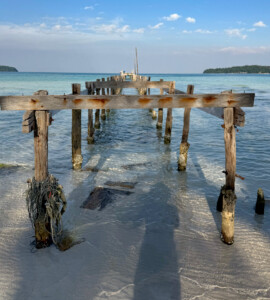
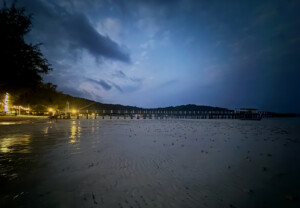
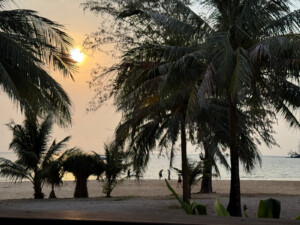
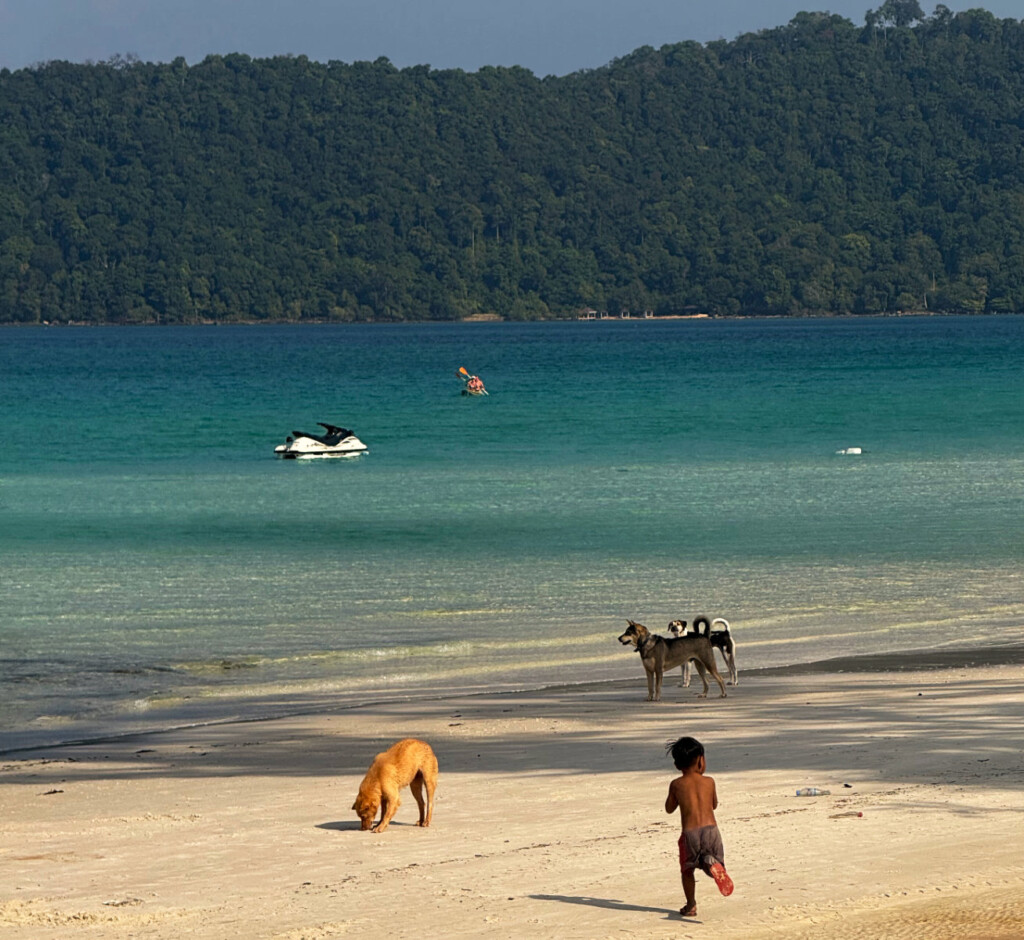
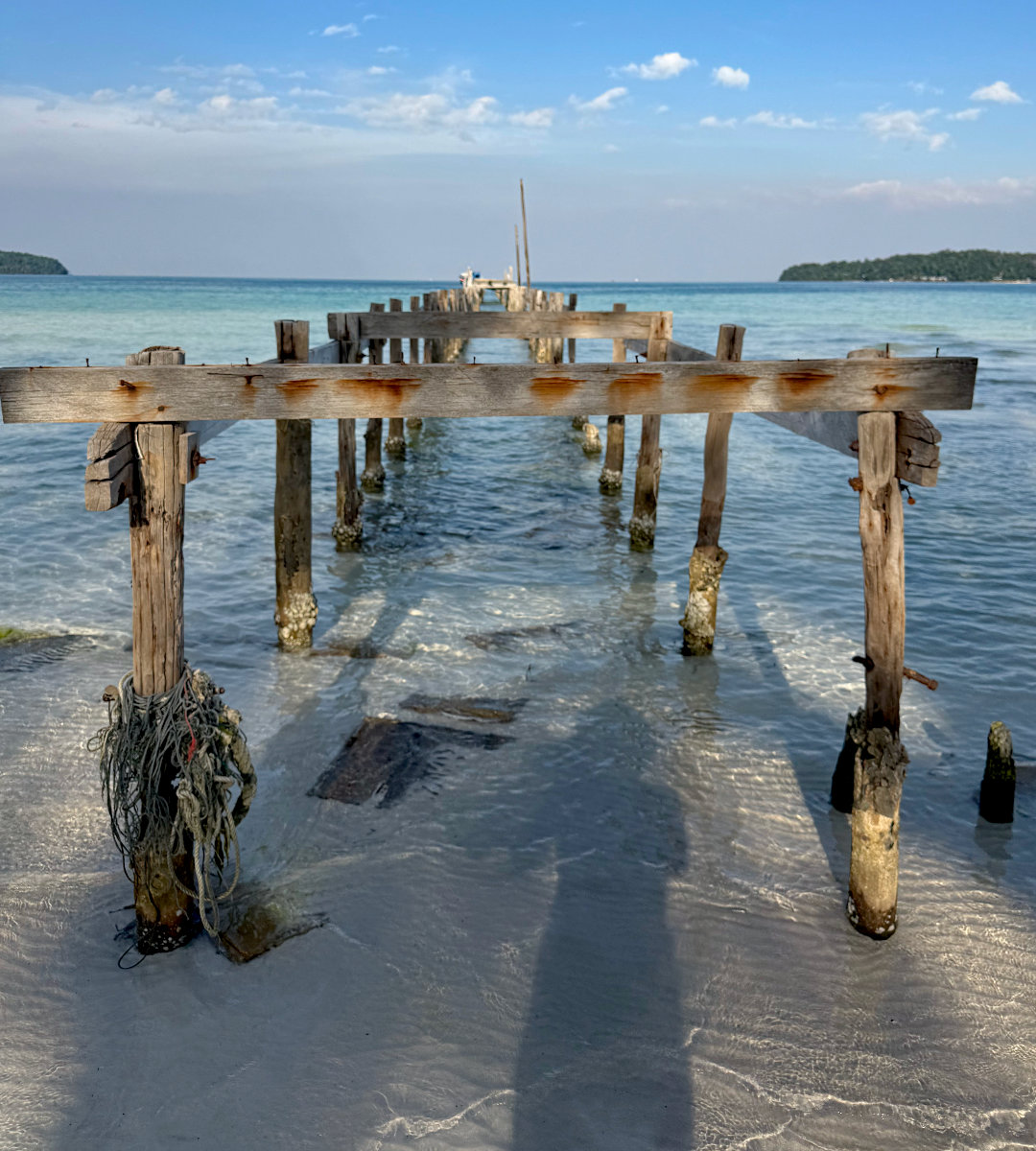
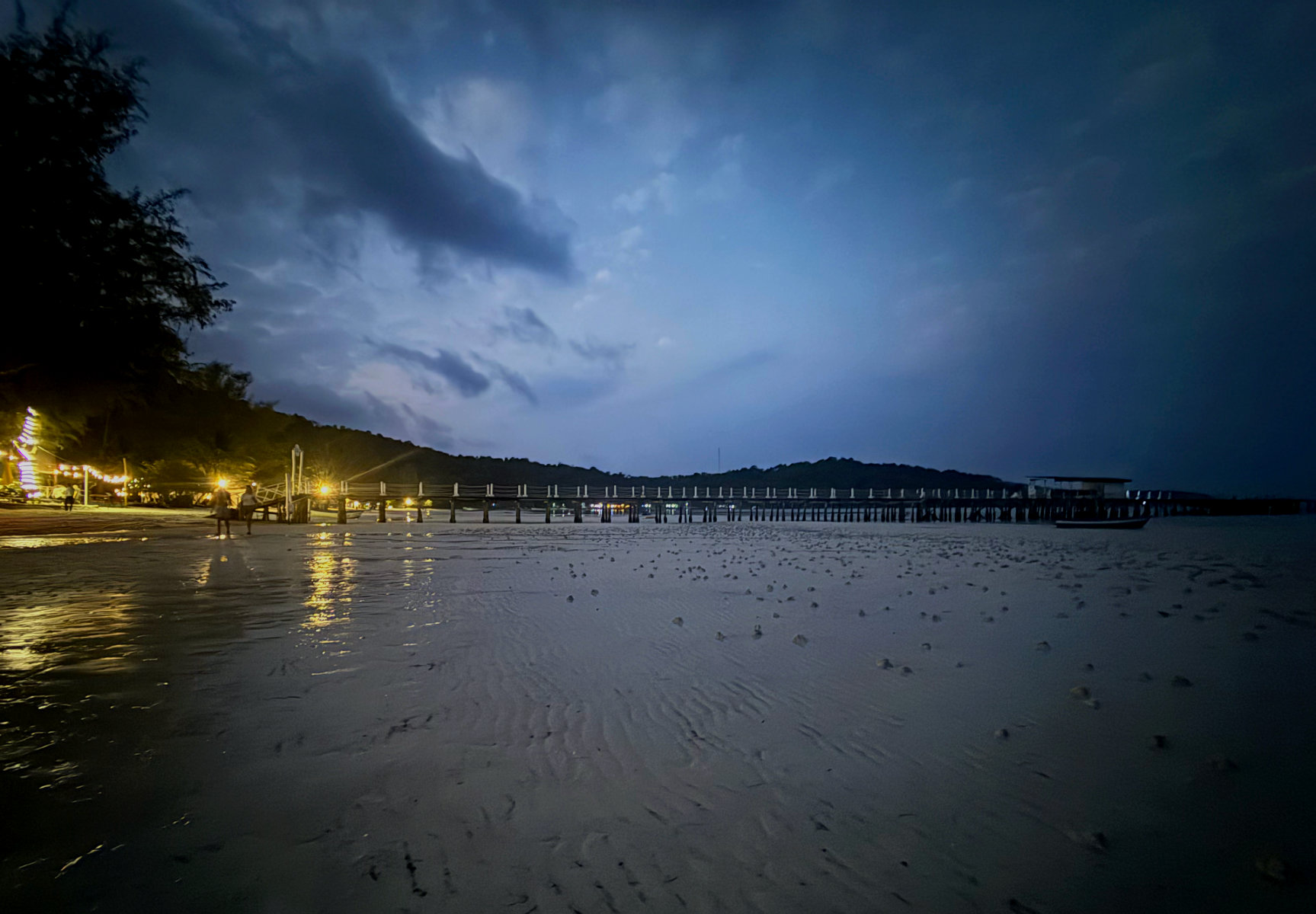
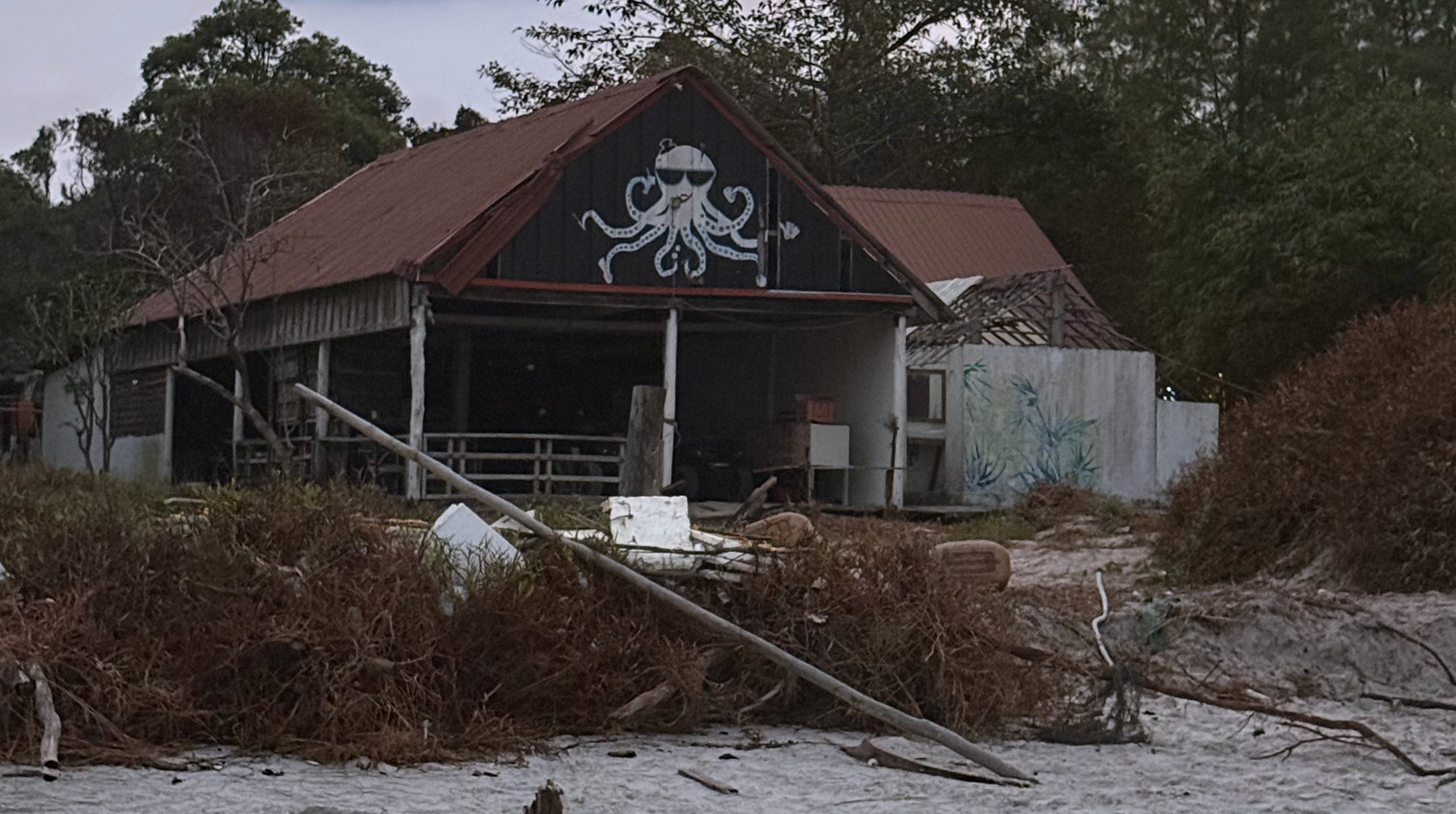
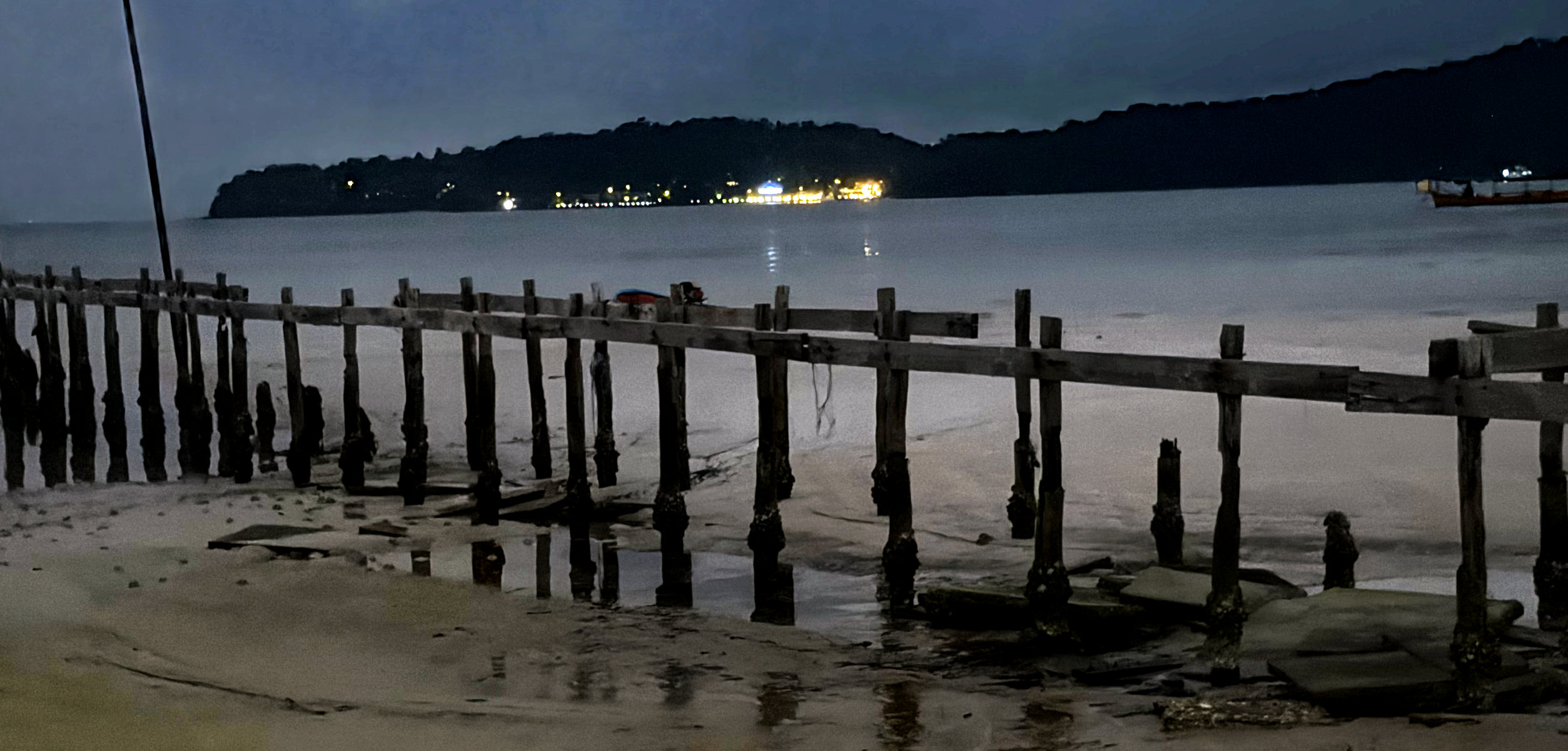
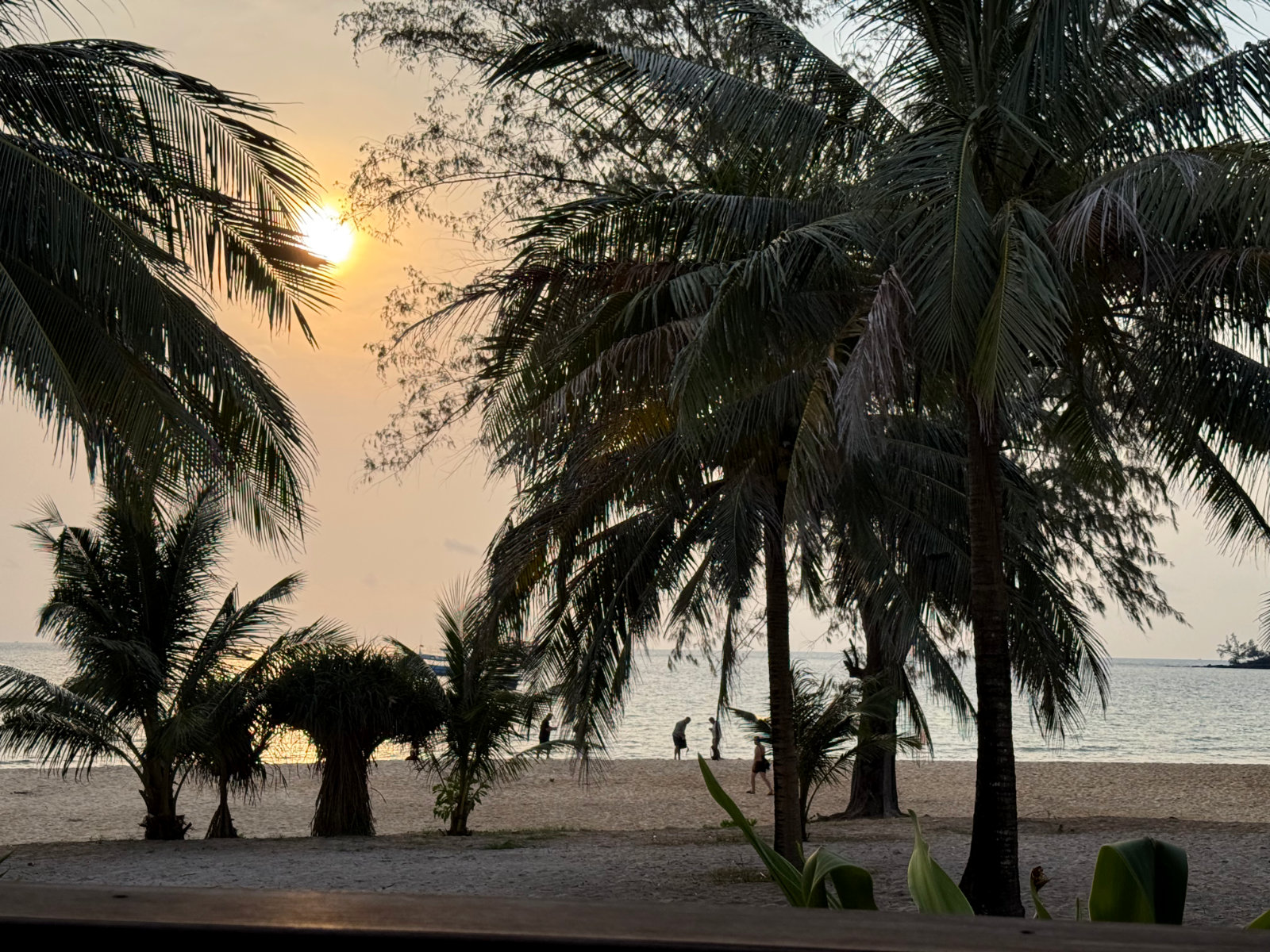
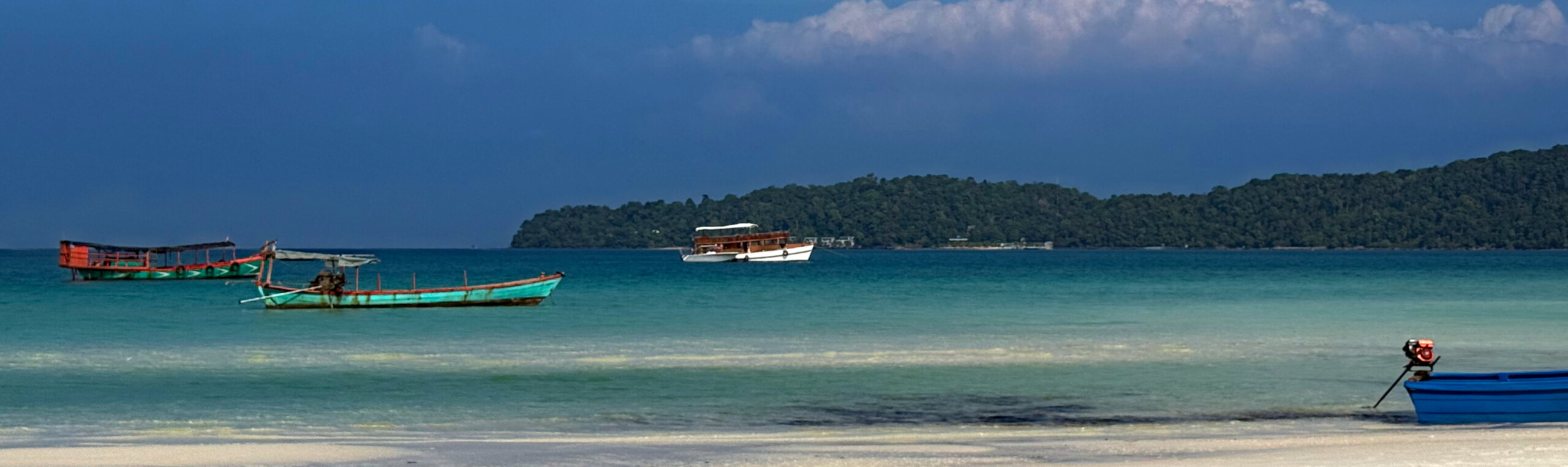
We move slowly past a handful of beachcombers scattered along an expanse of virtually untouched sand. No rows of Adirondack chairs. No screaming children chasing waves. No strategically placed hula-hut bars every fifteen yards.
Just sand. Endless, pristine sand… as far as the eye can see.
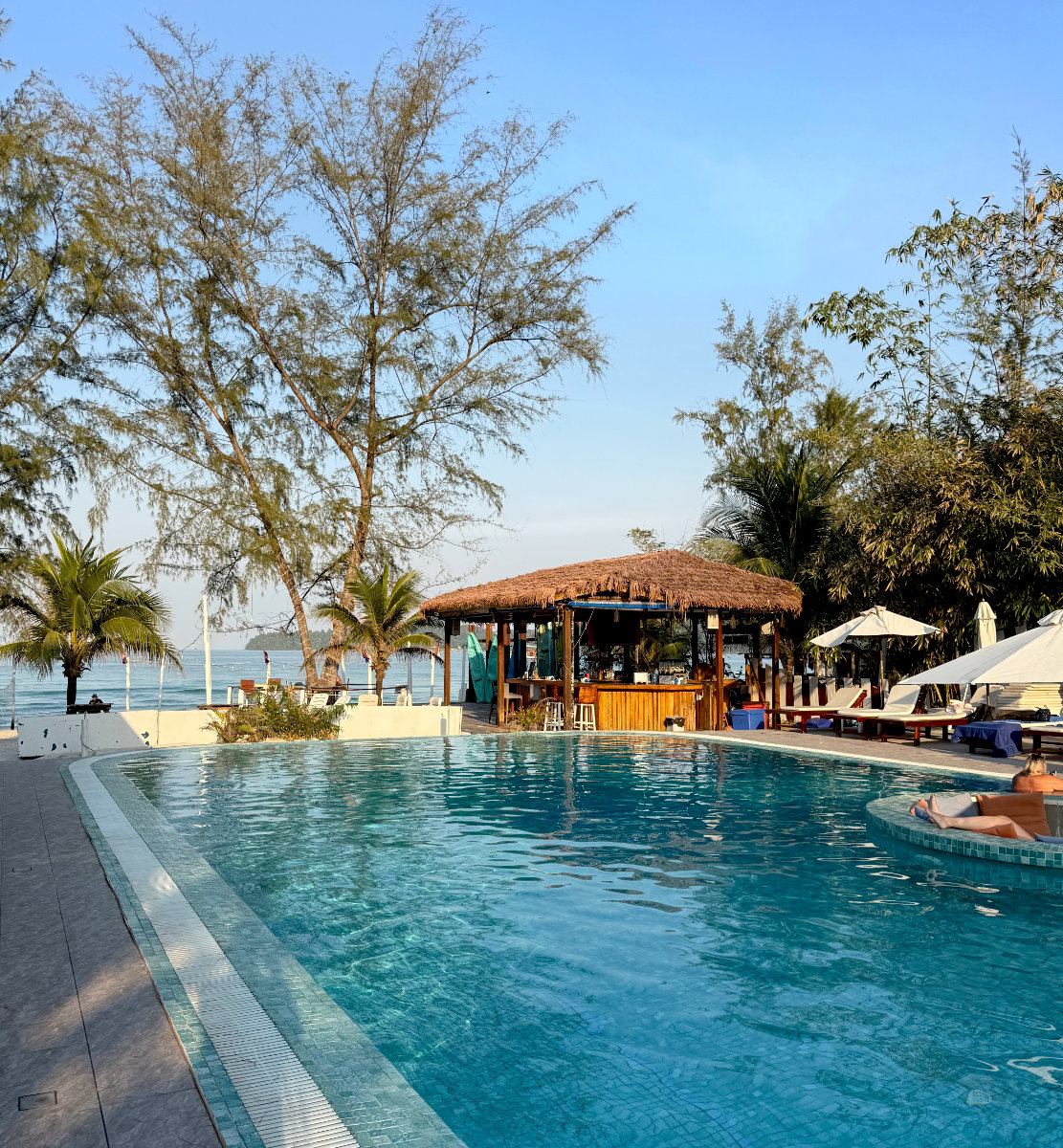
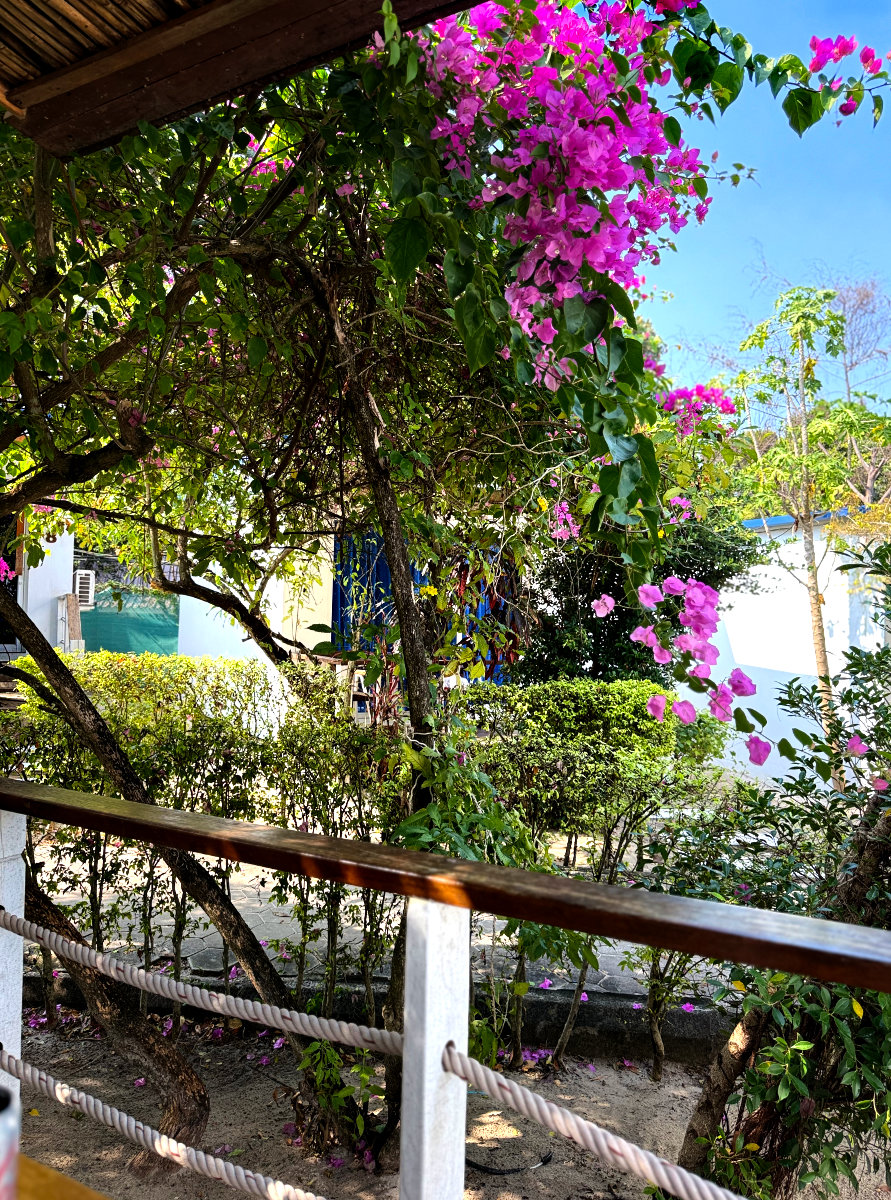
Checking into my bungalow is refreshingly straightforward. I’m taken directly to my room.
No excursion packages to upsell.
No “authentic Cambodian cultural dinner experiences” complete with souvenir shot glasses.
No staged tropical photo ops designed to capture memories already framed with fake tropical flowers.
And perhaps most shocking of all…
No minibar. WTF?!?!
By far the highest-margin hotel amenity known to mankind.
How dare they not exploit me. What kind of place is this anyway?
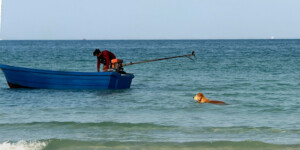
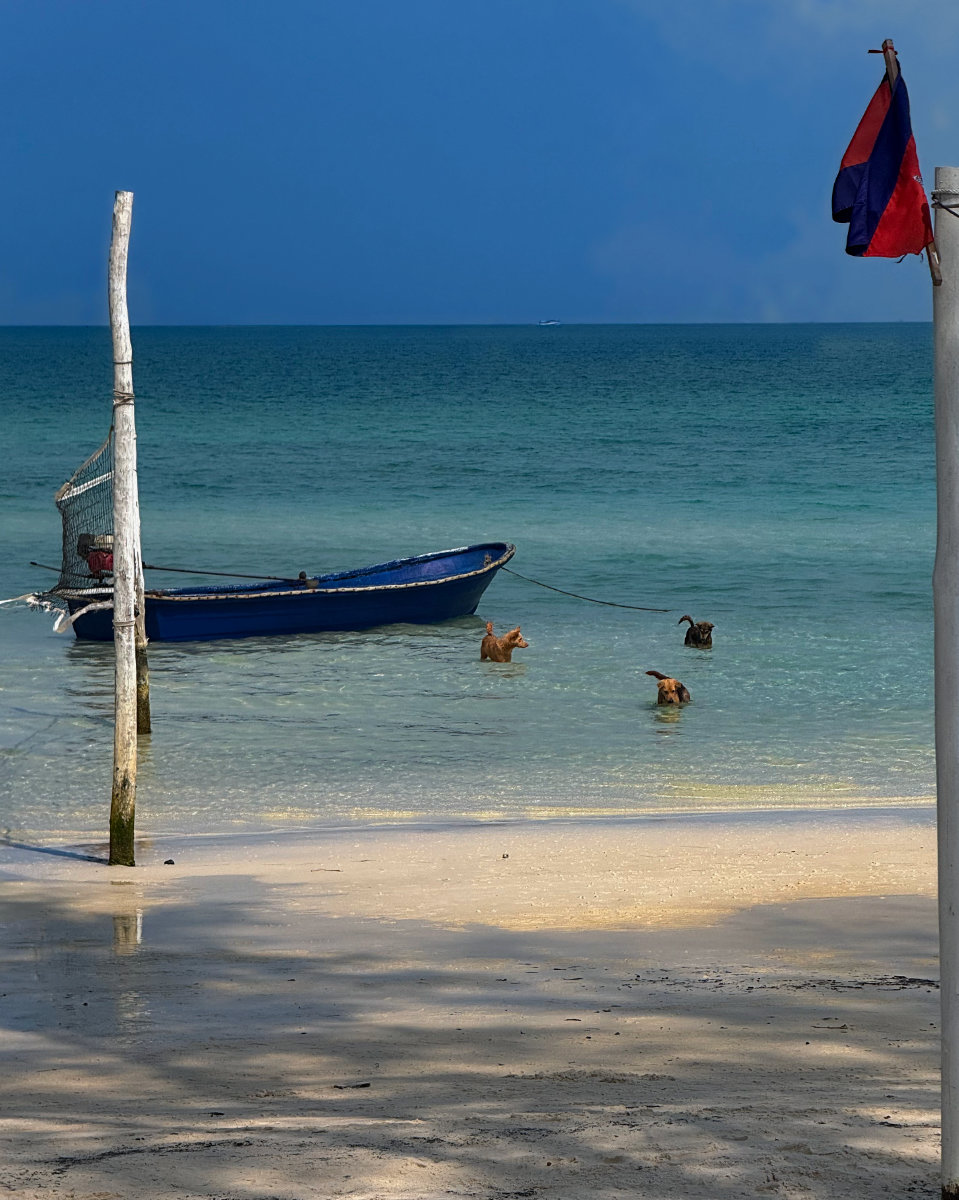
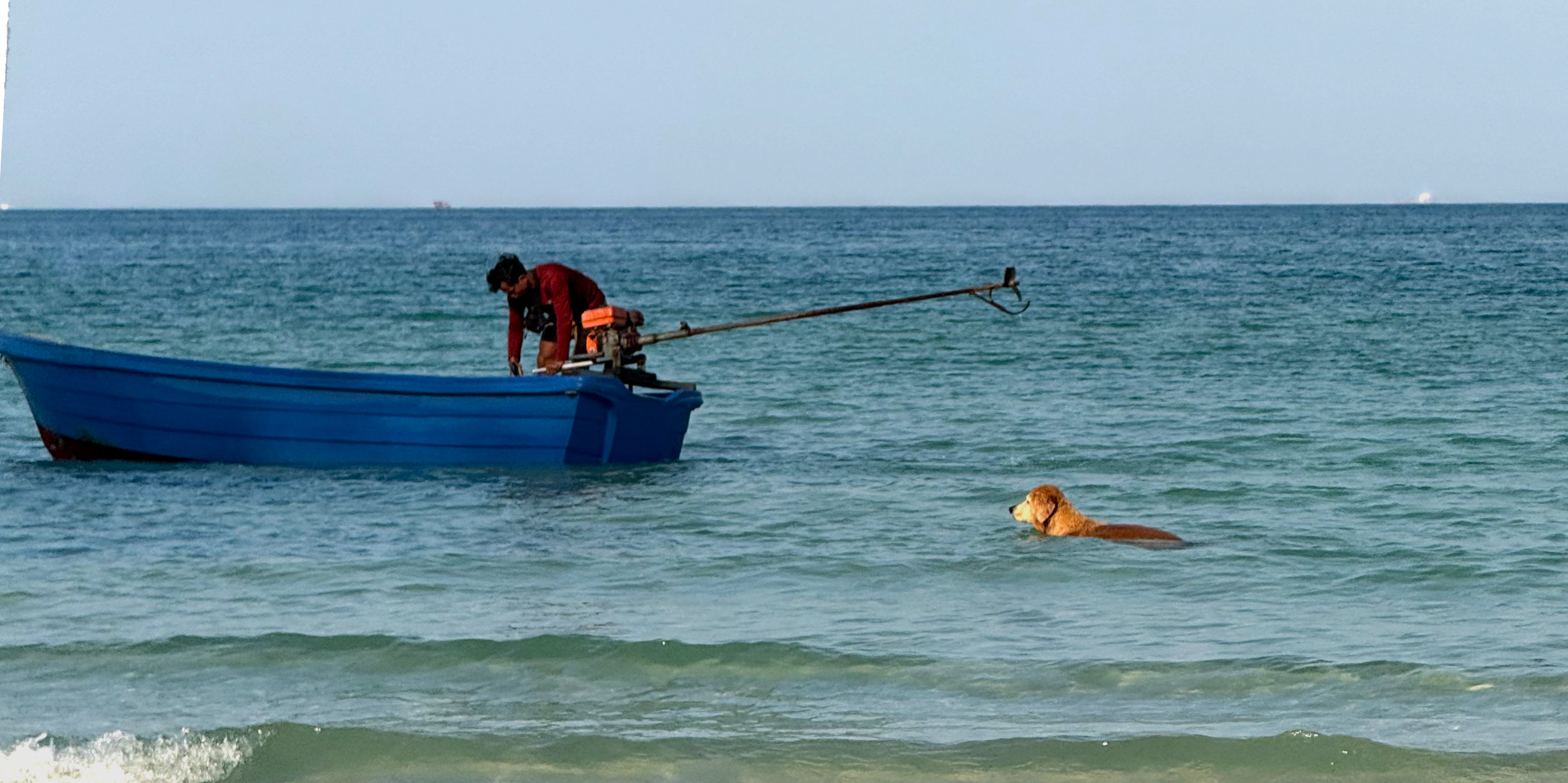
The next morning — and every subsequent one — I wake and walk twenty steps into the ocean. The water is bathtub degrees. Wading into the shallows, I find a suitable spot to plop myself down — sometimes facing the shore, sometimes gazing out toward the sea’s infinite gradients of blue.
Ocean dissolving into sky.
It washes away things I didn’t know I was carrying until I realized I was. The challenges that inevitably present themselves every time I throw myself into unknown waters begin to float away with the gentle waves as they lap around me.
The wild thing is, the head-banging travel chaos — losing my ATM and credit card, overweight luggage fees, paying money to access my own money, surprise three-percent credit-card surcharges, mysterious national holidays that shut down entire countries, visas, tracking down medications — all of it slowly dissolves.
Nine months of accumulated tension, rinsed out in salt water.
There is nothing to accomplish here. Nowhere to rush. No problems to solve. Even family drama fades into the background noise of another life.
For the first time in a long time, I simply sit in the present moment. Fully conscious of being conscious.
And in that moment, life is… perfect.
I have a quiet suspicion this may be the last time I will ever experience a place this untouched — this unspoiled, unpolished, uncommercialized.
The purity. The beauty. The wonder of witnessing something before the world inevitably reshapes it. I feel overwhelmed with gratitude that I was here to see it as it was.
Before it becomes something else.
After five days morph into nine, I play alligator and drag my tail out of Shangri-La. Boarding the ferry back to Sihanoukville, I take one last look, hoping the image of Eden won’t fade from memory.
I’ve become almost too chillaxed. Time to spice life up a bit and hit the bourgeoning spice capital of the world, Kampot, Cambodia
Honestly, the only reason I’m going is because my new Portugal friends I met in Battambang raved about the pepper plantations. Sounded charming at the time.
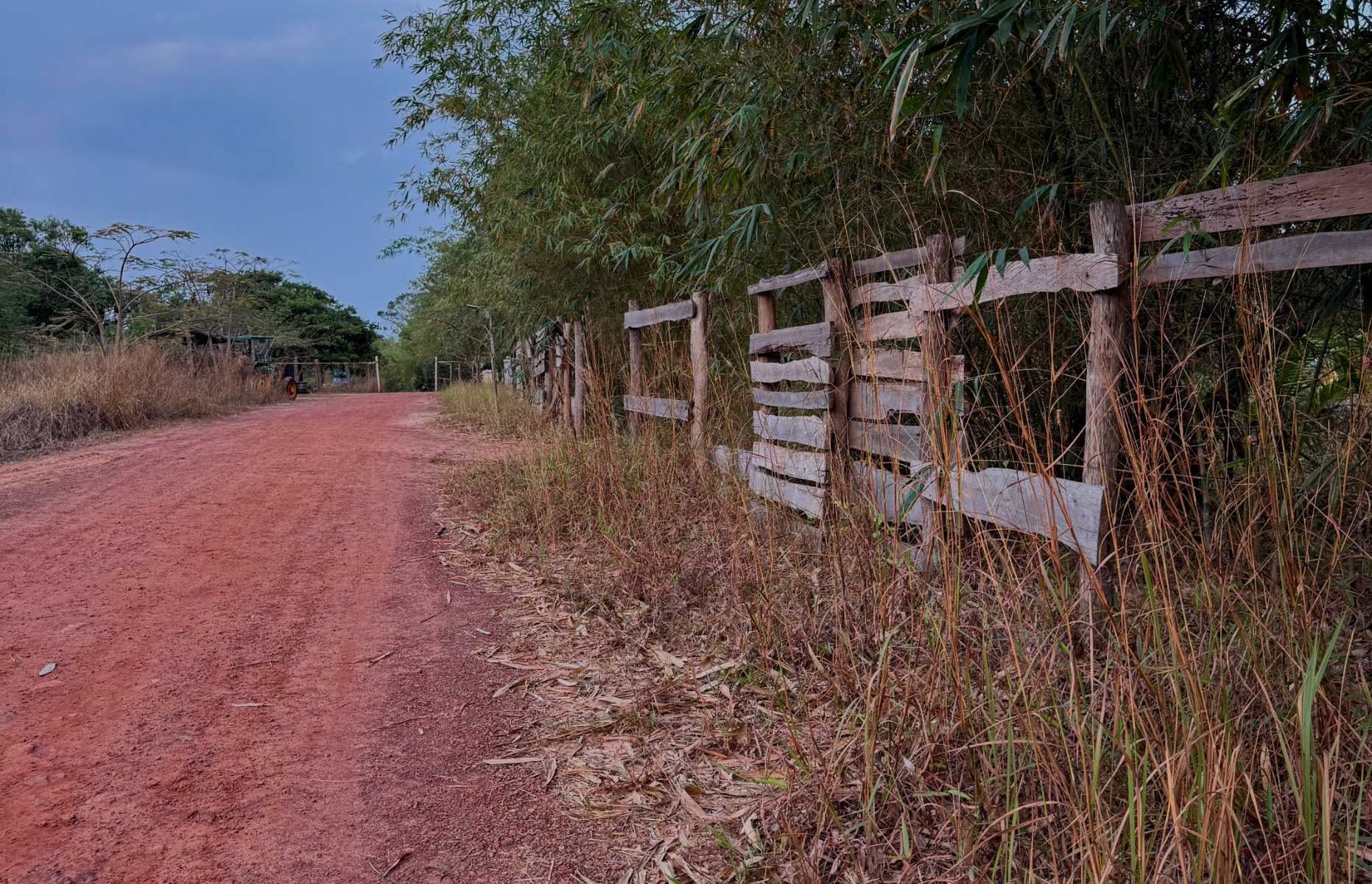
Now, bouncing for miles along Cambodia’s idea of a road, I’m regretting my decision. Big time. OMG for real, it’s intolerable. I’m not kidding.
My packed van lurches forward at an excruciatingly slow pace. The driver remains completely unfazed as we slam into a crater-sized pothole. He drives these roads on the daily. Bile arises.
These f@#ing peppers better be orgasmic.
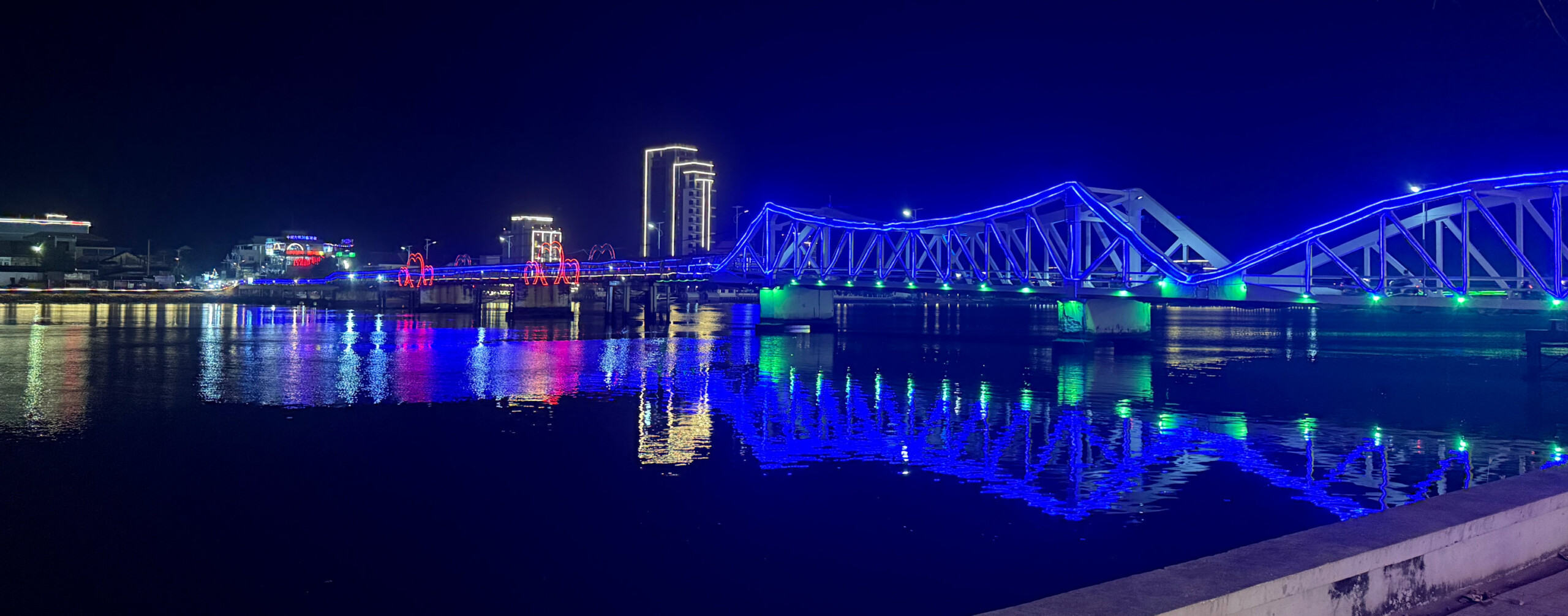
Two torturous hours later, a tuk-tuk delivers me to my guesthouse. French Indochina’s lingering influence is immediately visible. Cambodia’s independence from France in 1953 may be history, but the colonial architecture remains — “one of these things is not like the other” plays in my brain.
French / Asian mashups. Very cool yet somewhat dystopian.
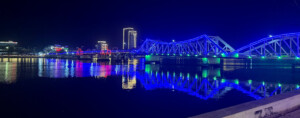
After a brief nappie poo and wash up my stomach stops cartwheeling. I walk over the bridge to the happening side of town. A nonstop throng of motorbikes, scooters, and tuk-tuks whiz by me at hair’s length. Upon reaching the other side, my gut is calm but my nerves are shot. How will I survive the streets of SE Asia?
Seriously.
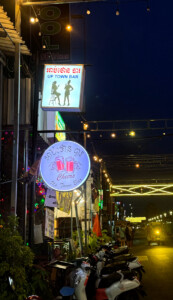
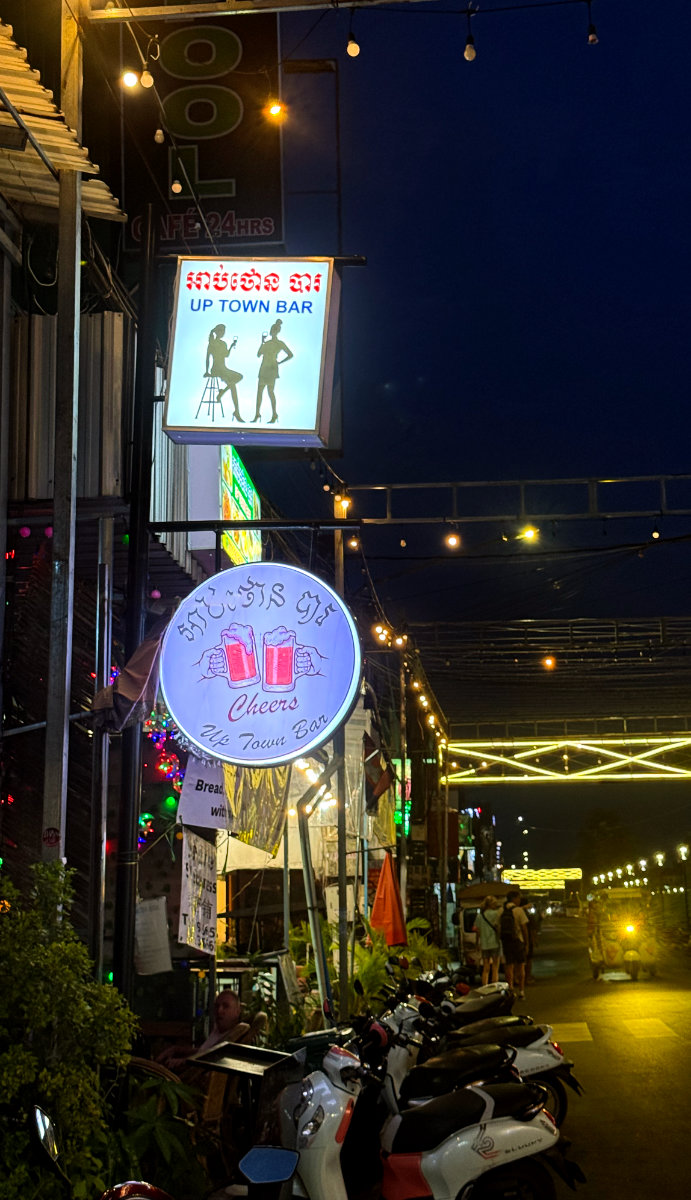
Kampot is a small town with the main drag right on the Kampot River. How odd. It takes ten minutes time to walk the entire area. What’s bizarre is that aside from the riverfront street, the side streets are filled with old-style burlesque bars. Women scantily dressed with suggestive signs enticing whoever to come on in for a good time.
I’ll pass. I’ve had enough fun for the day.
Scarfing down a margarita pizza, I make my way back the way I came, questioning my sanity until I’m safely tucked in bed.
My accommodations are lovely. For thirty bucks a night, I’m transported to another time — a room filled with filtered light, slow fans, and the lingering romance of a world that no longer quite exists.
My hand jerks instinctively to scratch the love bite of a mosquito… the only creature captivated by my magnetic allure. Thanks for the wake-up call.
Taking necessary precautions, I slather my entire body in bug spray. No time for romance today. Time to pick a peck of pickled peppers.
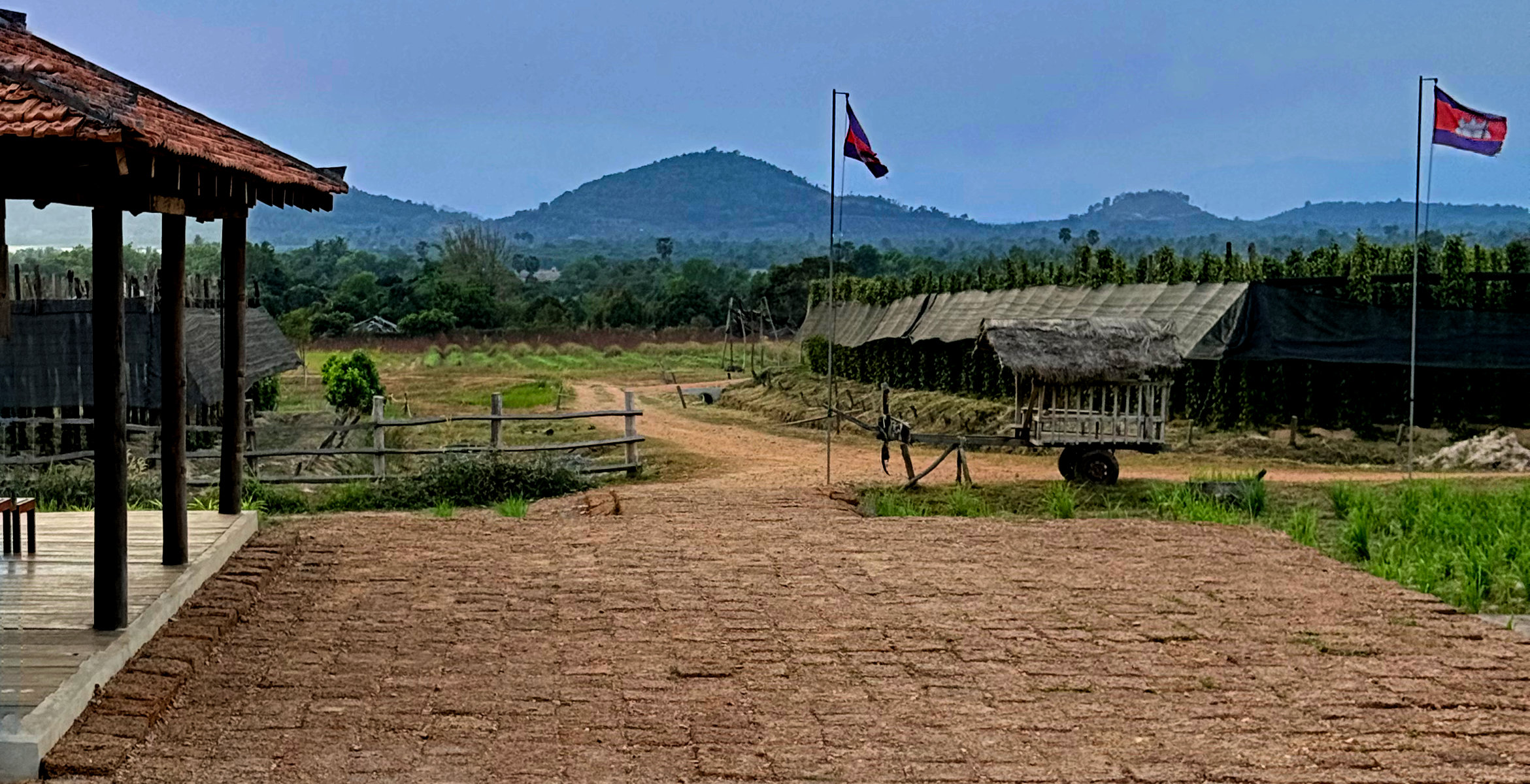
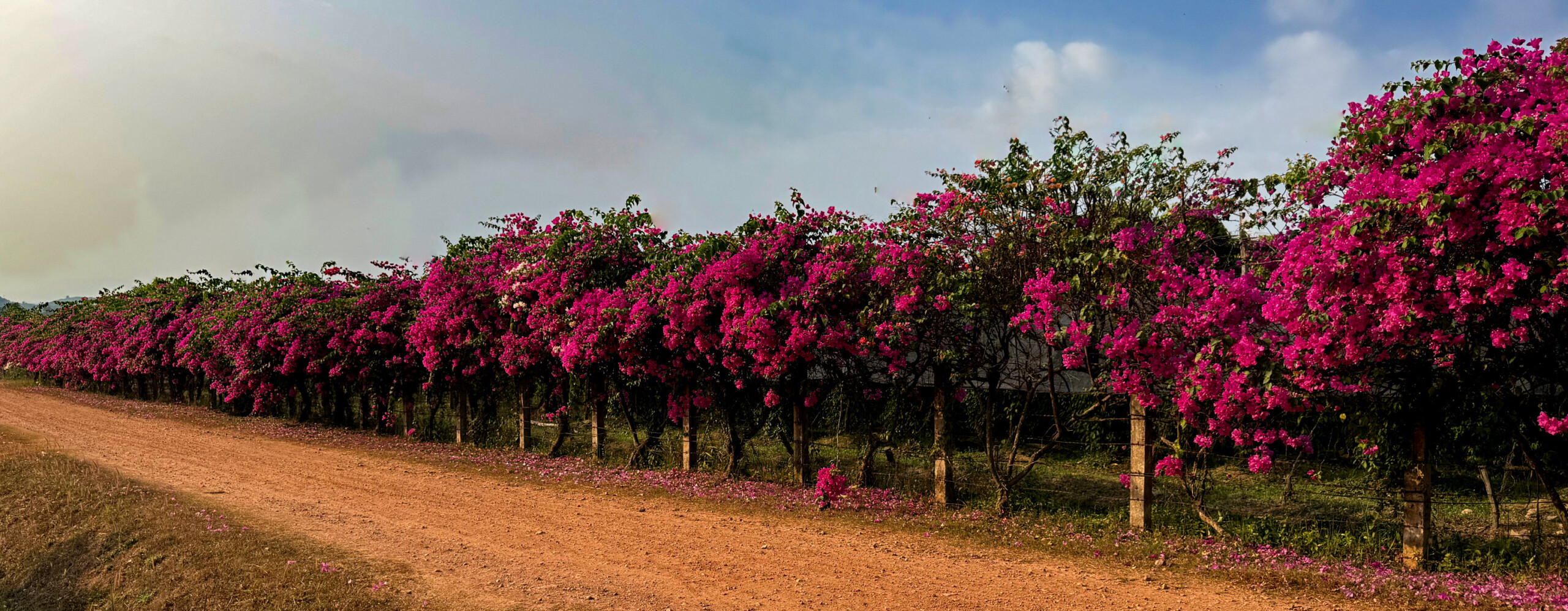
La Plantation is more than a pepper farm. It’s part agricultural enterprise, part cultural preservation project, and part carefully curated tourist experience designed to reintroduce Kampot pepper to the world after decades of war and disruption.
Kampot pepper is geographically protected. These aren’t the run-of-the-mill peppercorns you find at your local H-E-B. Just as Champagne can only come from Champagne, France, Kampot peppers can only come from the very soil I’m standing on.
Who knew pepper was such a big deal?
La Plantation peppers are considered the crème de la crème and are usually found in Michelin-star restaurants throughout the world. My palate is not one to go by; It’s programmed for wine detection, however, I’ve gained deep respect not only for the quality of the peppers, but for how a commercial property chooses to ignore the box and create an innovative, sustainable model.
For the first time in decades, Cambodia gets to decide what it becomes.
Some places will modernize overnight. Others will reinvent themselves. And some will quietly fade away.
Because eventually, everything answers to time.
Somewhere in the back of my brain, one of my all-time favorite songs starts playing again…
Time keeps on slipping, slipping, slipping
into the future.