Imagine this..
It’s the not-so-distant future in a town just like yours.
You work as a journalist for the most respected news channel in the country, happily married to your brain surgeon husband. You’re currently on maternity leave with your first child, a girl. You live in an affluent part of town in a modern 3,500-square-foot home, complete with a small guest house where your mother is recovering from a recent stroke.
You and your husband can afford full-time care for her. The doctors say she’s expected to recover with minimal complications.
Life is good.
Now imagine your supreme leader decides that a utopian society will make you—and the rest of his countrymen—delightfully happy. A society where everyone lives in perfect equality: self-sufficient and independent from the rest of the world.
He is very excited to share the game plan with everyone and explain how these changes will be implemented for a fabulous future.
He invites your family, your neighbors, everyone you know—and don’t—for a short 200-mile walk to his palace, where he promises to share all the deets.
While everyone is away, he’ll have his “cleaners” whip the town into shape. All to facilitate the smooth transition from the dull old way of life to the new, shiny, better way of living.
He sends his trusted guides to assist you on the journey ahead.
Don’t worry about your belongings. You’ll be back in a few days.Temperatures will reach the mid-90s with crushing humidity, so wear breathable cotton. It’s a long walk. And please don’t worry about elderly or disabled family members.
We’ll take care of them.
As you join the throngs of people flooding the freeways toward the palace, armed guards pointing the way, you overhear whispers. Hospitals emptied by soldiers.The infirm left on the streets to fend for themselves.
Doctors, nurses, and hospital staff loaded into trucks and taken away.
You feel a brief moment of relief knowing your husband has the day off. Then you remember your mother—left at home with her two nurses.
Your baby fusses, wet, hot, and hungry. A soldier points a gun in your direction. You pull her closer and turn away from the guard.
Hope for a stop—to change the baby, grab some water, or rest—fades as you begin to see people collapsing along the road, unable to continue in the relentless heat.
Night falls. You’re finally allowed to stop. There is no shelter. No food. No water. You and those closest to you lie on the hard ground beneath a clump of trees just off the highway, sharing whatever scraps of food people managed to bring with them.
By now it’s obvious. There is no meeting. This is an evacuation. Your mother is already dead.
And you are never going home.
Morning comes with shouting. Guards move through the crowd ordering everyone to their feet. Names are called. Occupations demanded. When your husband answers that he is a brain surgeon, the guard pauses. He writes something down.
An hour later you and dozens of others are forced into the back of a truck. No one speaks. Everyone keeps their eyes on the floor. You’ve already been warned: speak to another person and you will be shot.
The truck drives for hours.
When it stops, the men are separated from the women. Your husband looks back once as the guards push him away. It’s the last time you see him. Someone whispers the words re-education camp.
You’ll learn later what that really means.
Now imagine this..
It’s the not-so-distant past.
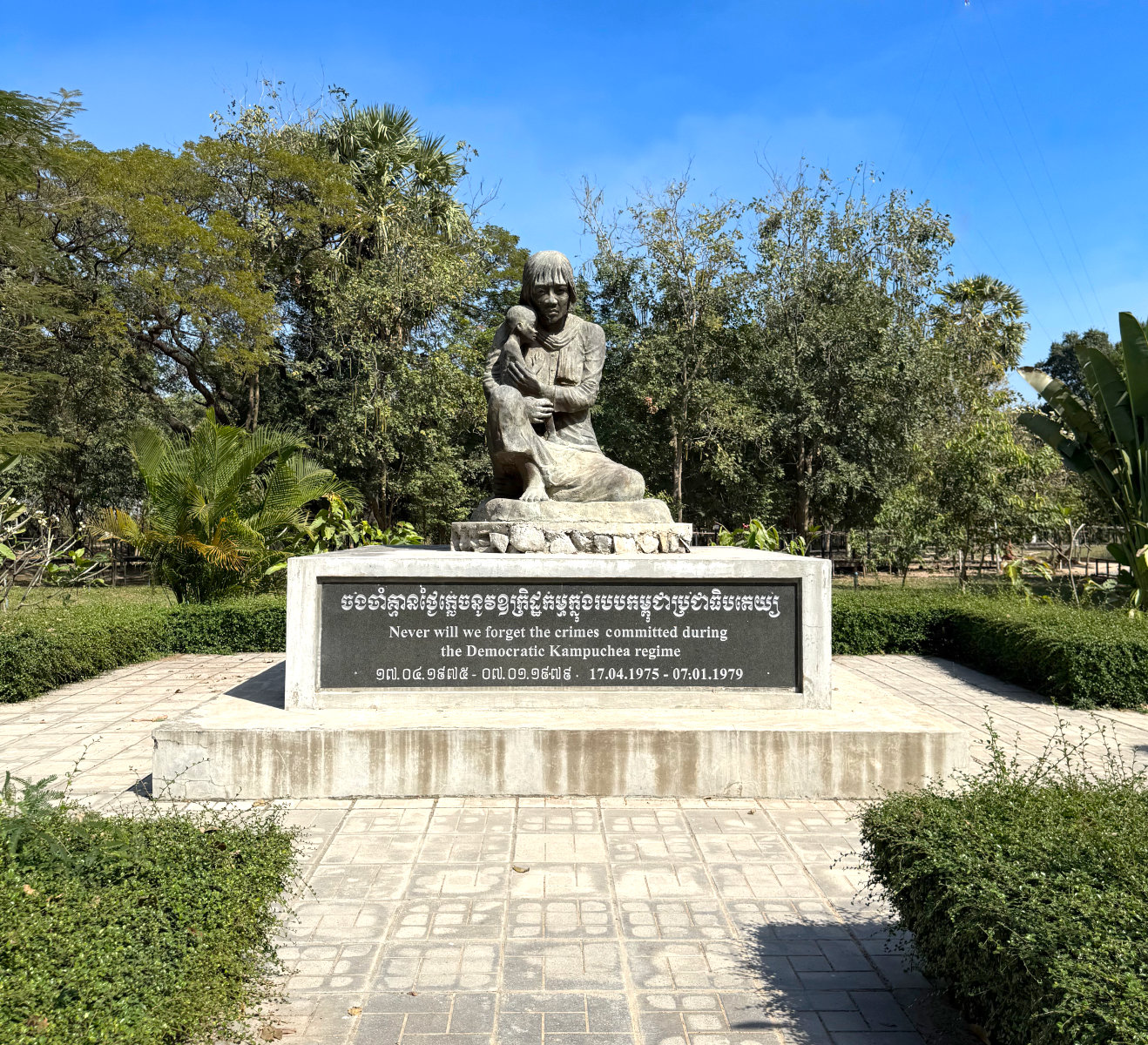
Scenes like this unfolded across Cambodia in April of 1975 when the Khmer Rouge, led by Pol Pot, emptied the country’s cities and forced millions of people into the countryside.
Money was abolished.
Schools were closed.
Religion was banned.
Families were separated.
Anyone educated—teachers, journalists, doctors, even people who simply wore glasses—could be labeled an enemy of the revolution.
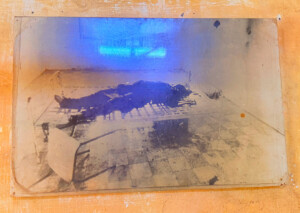
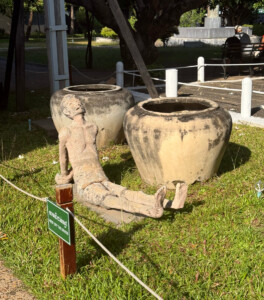
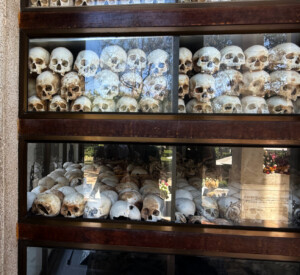
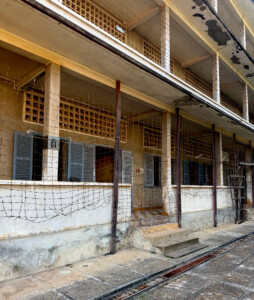
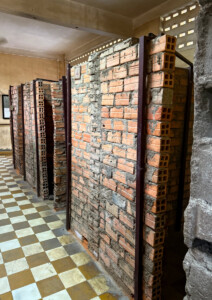
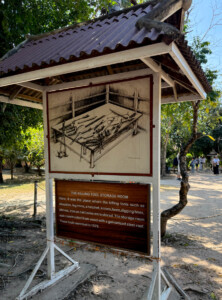
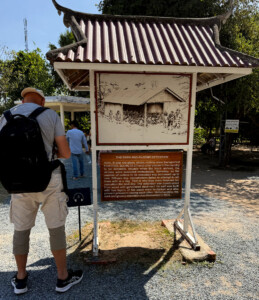
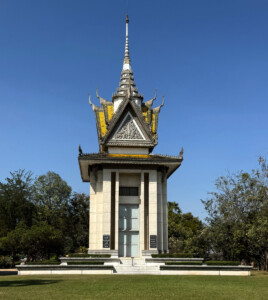
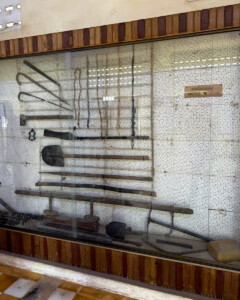
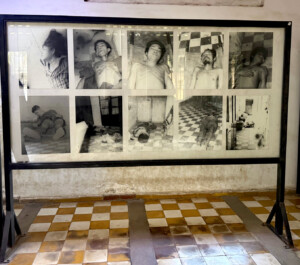
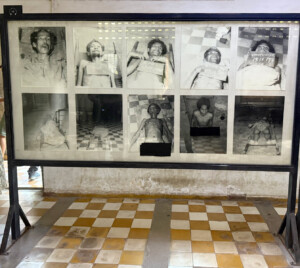
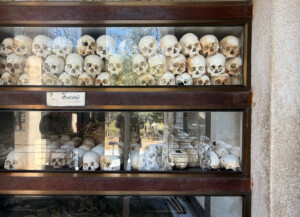
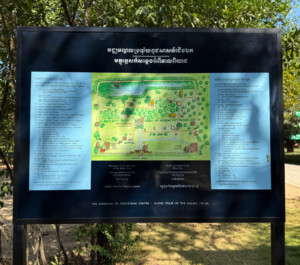
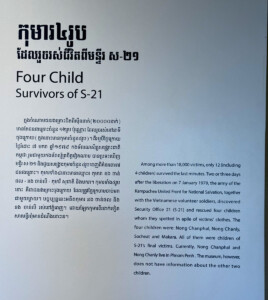
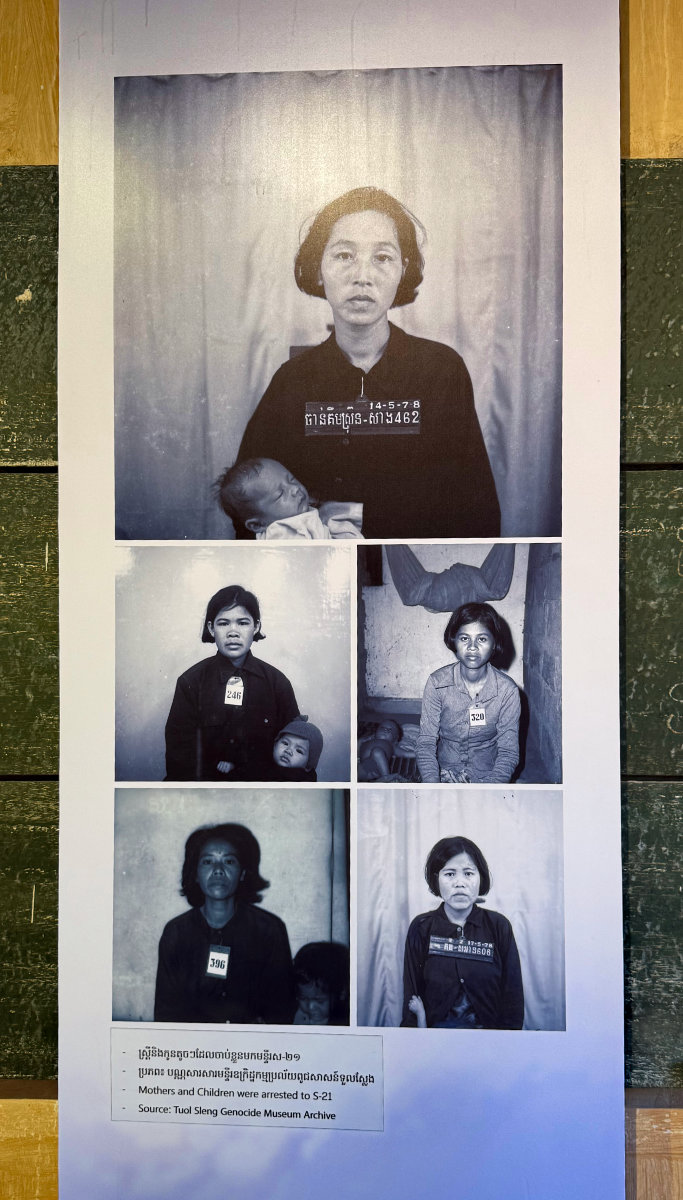
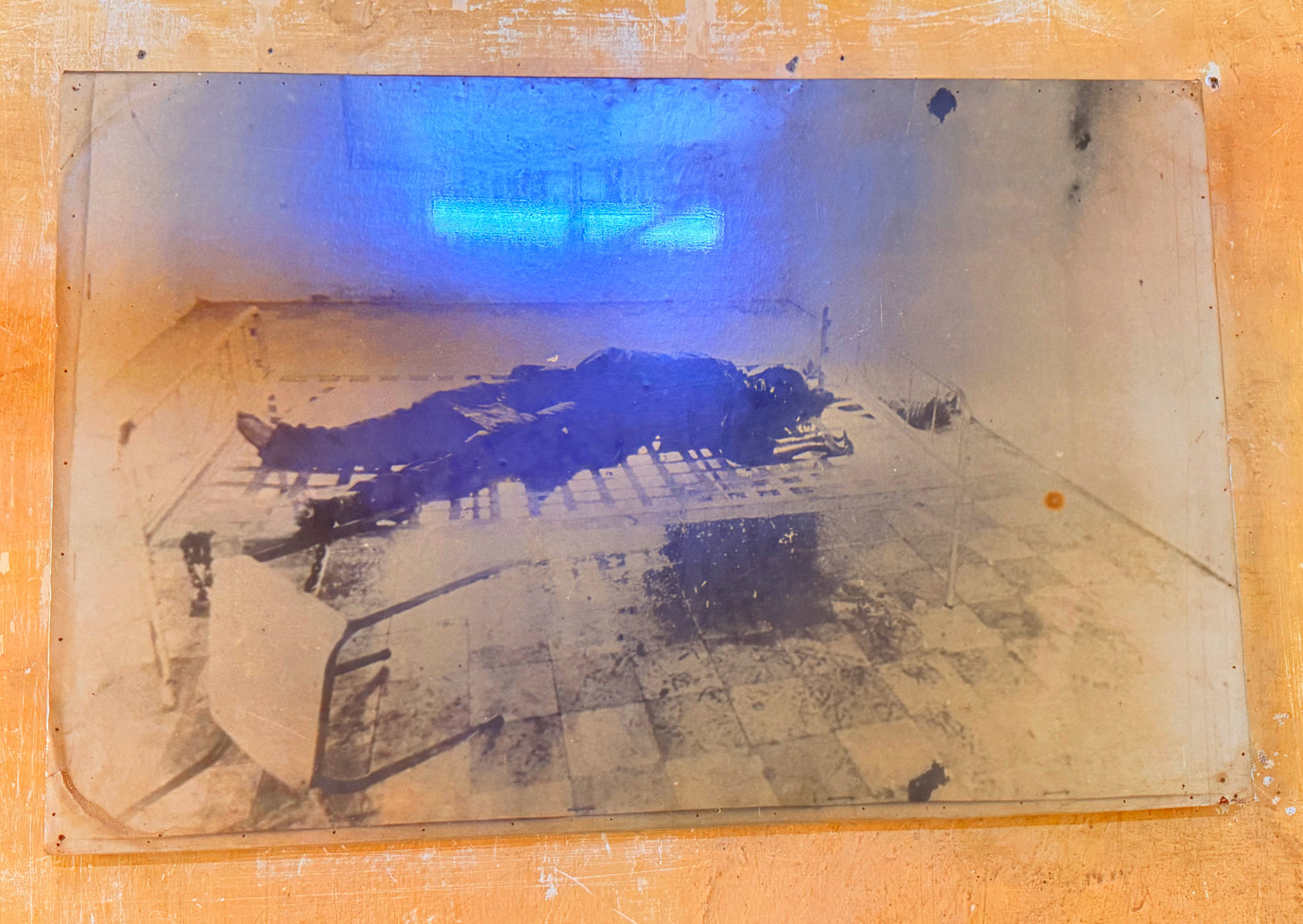
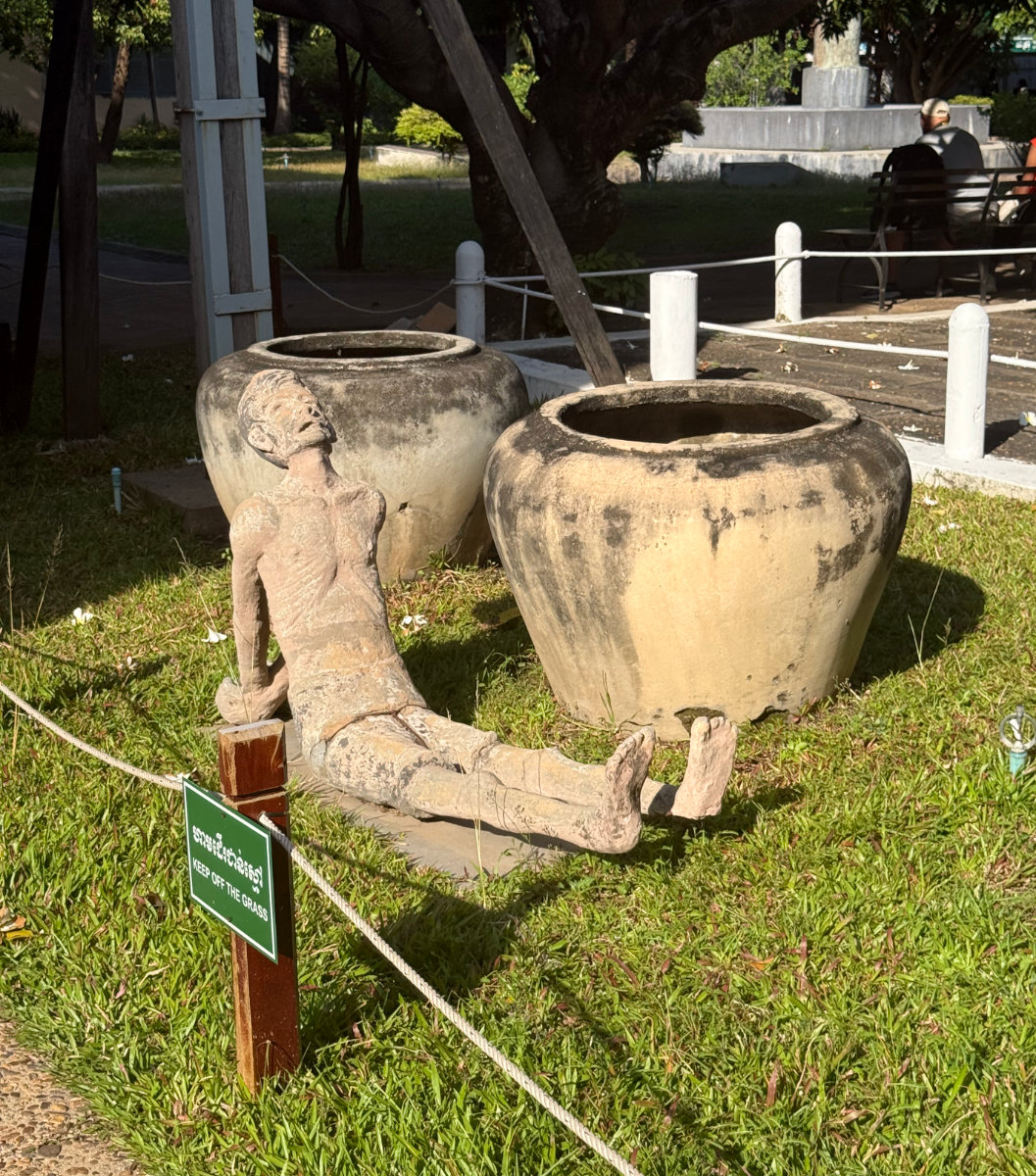
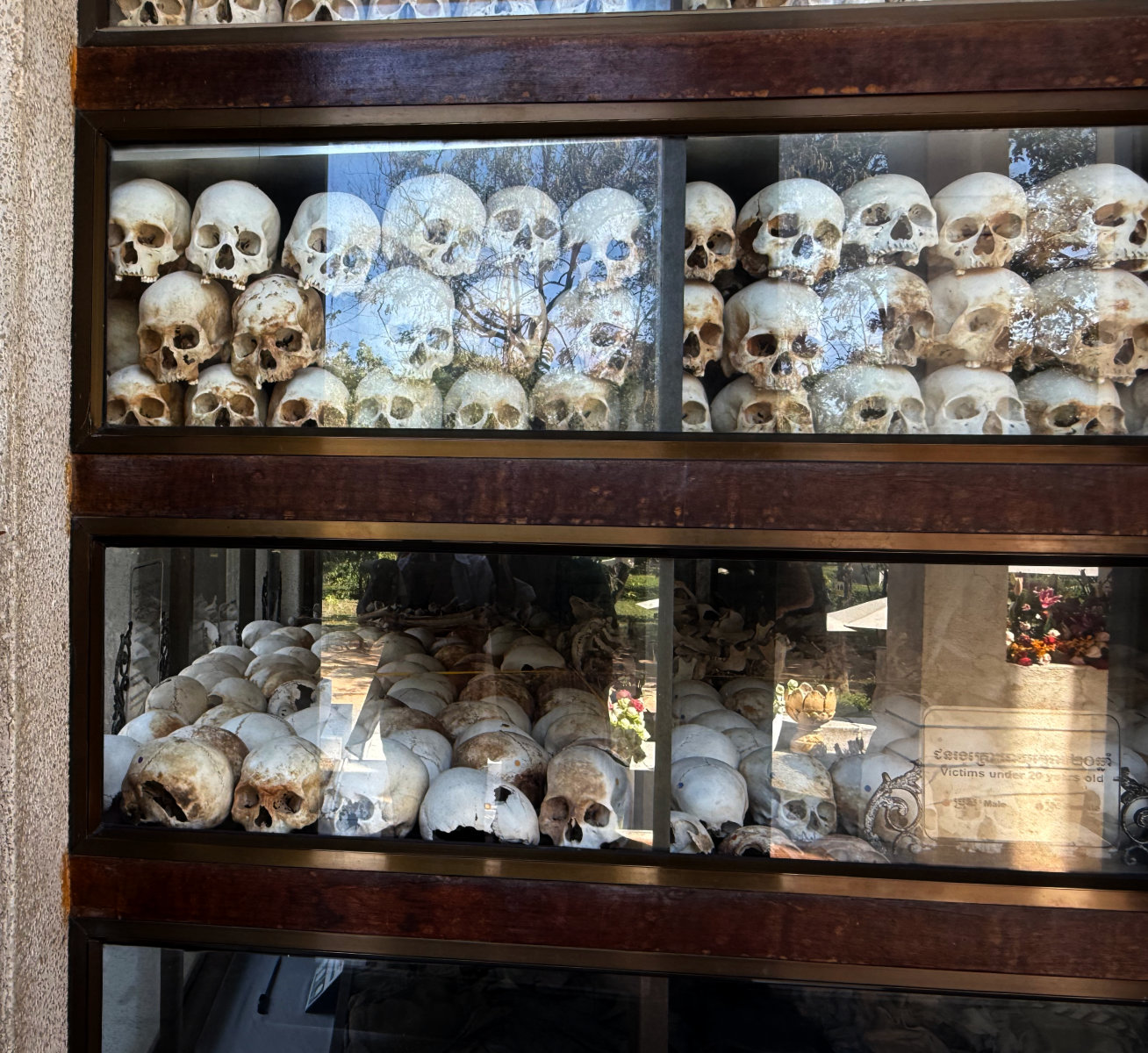
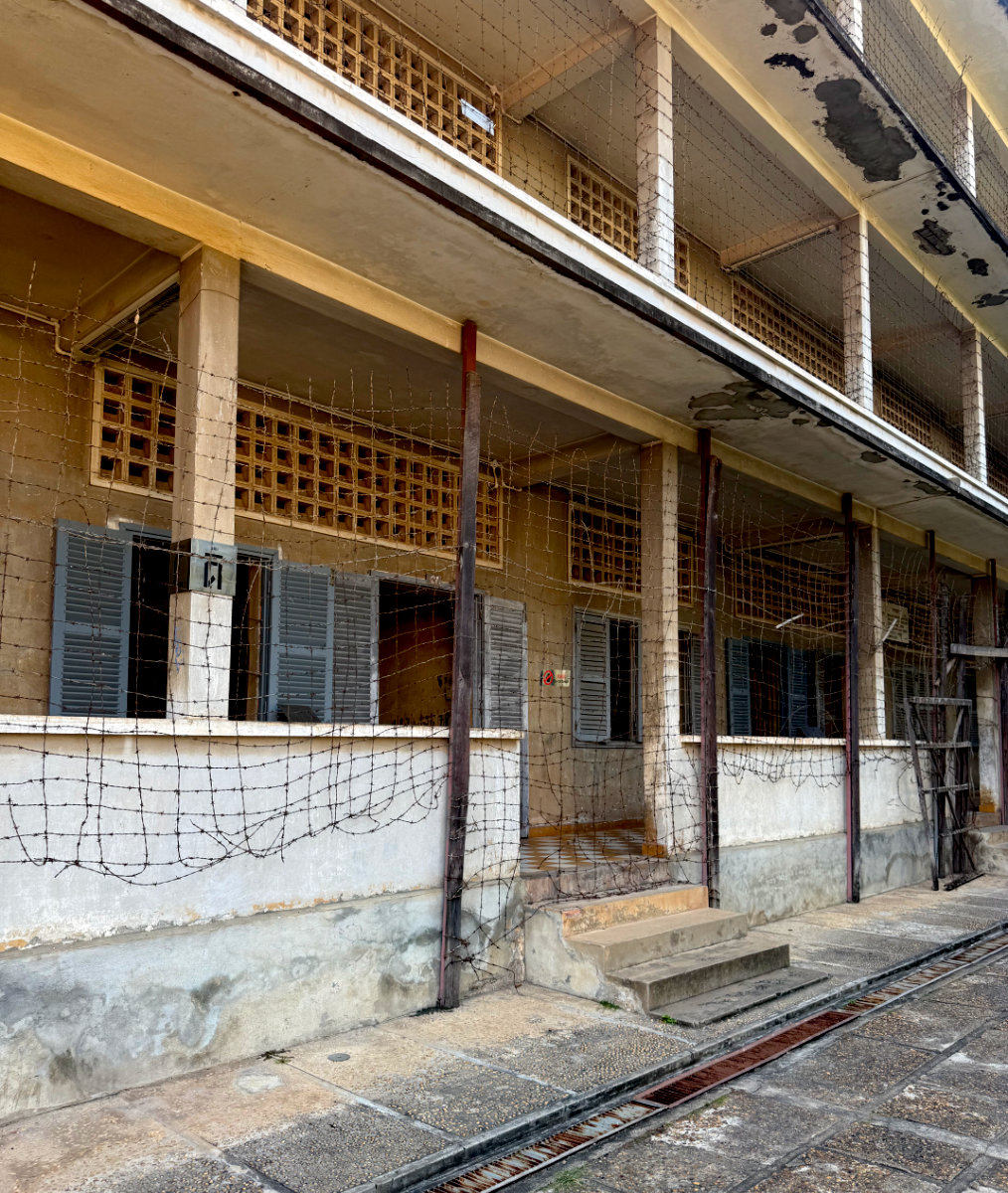
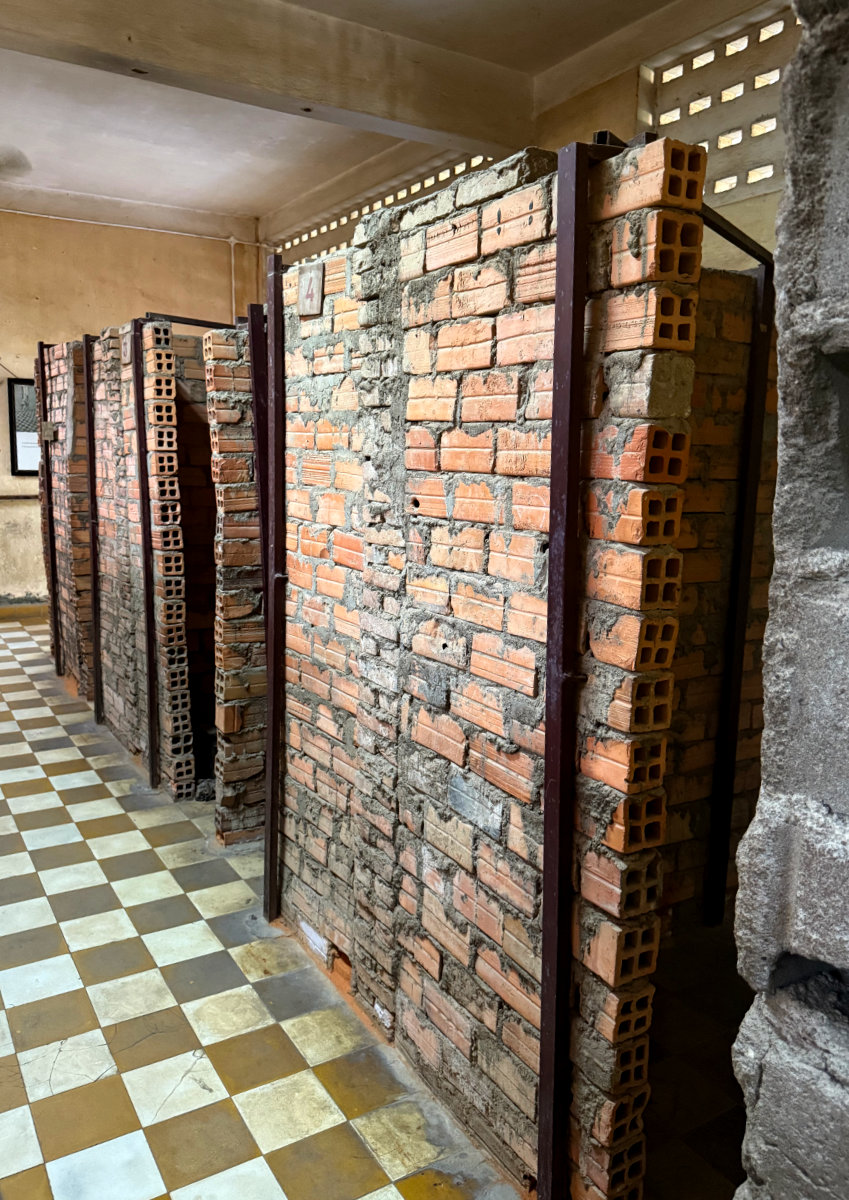
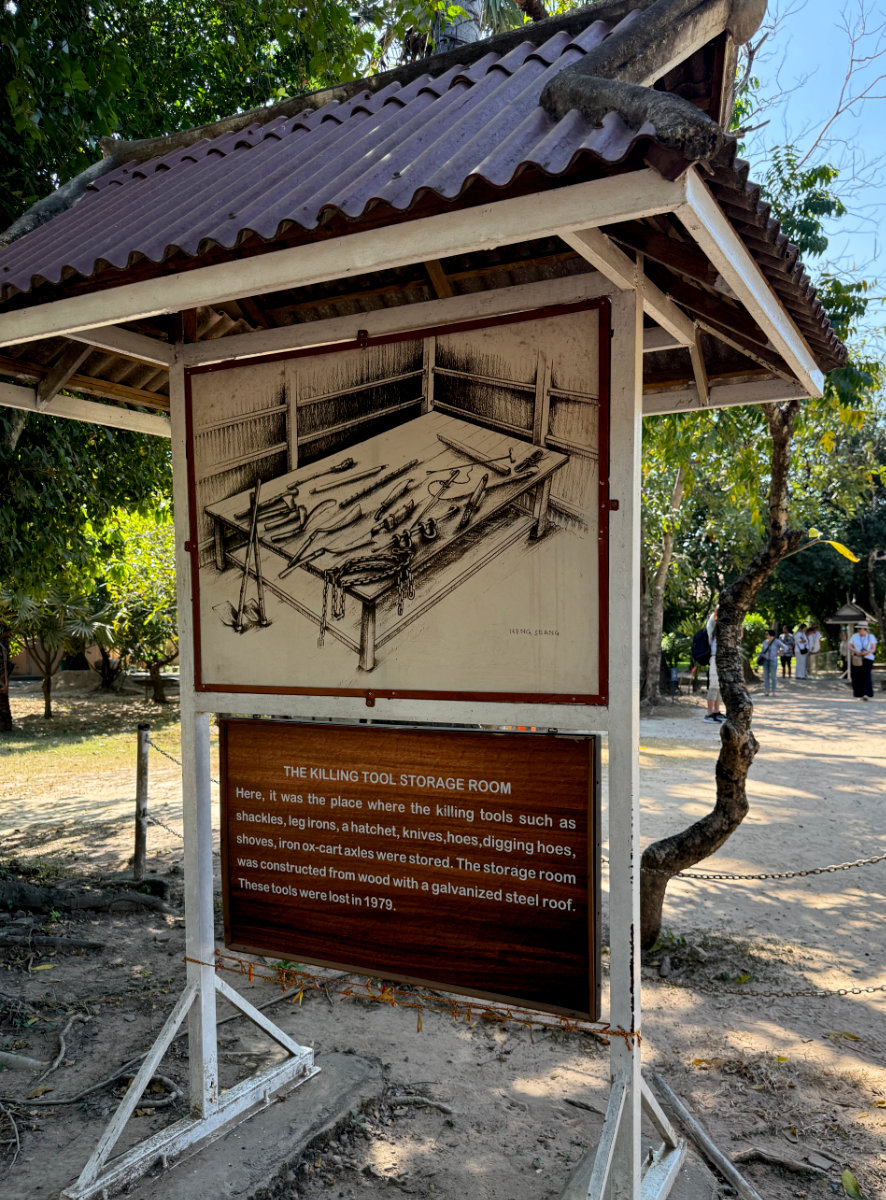
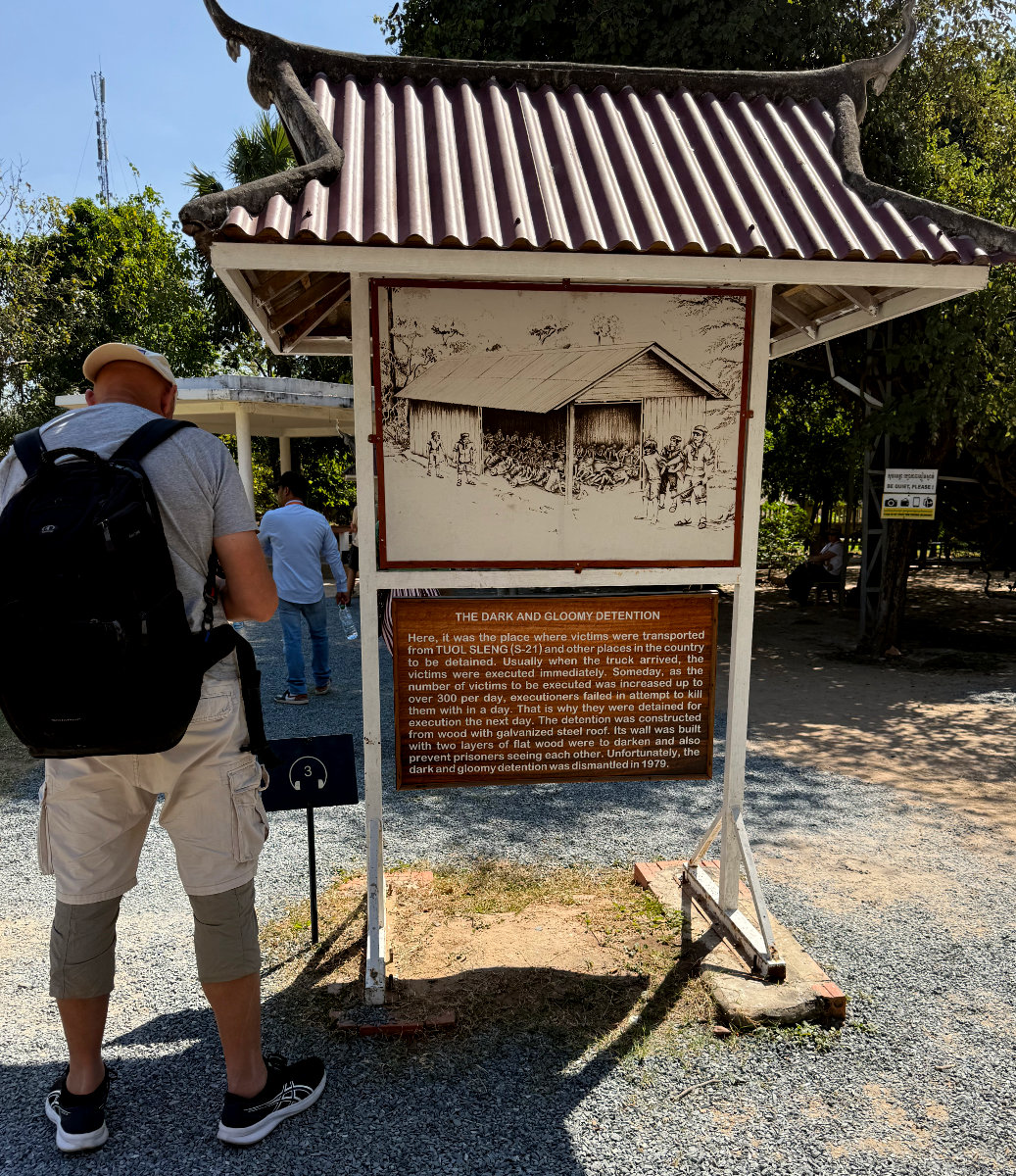
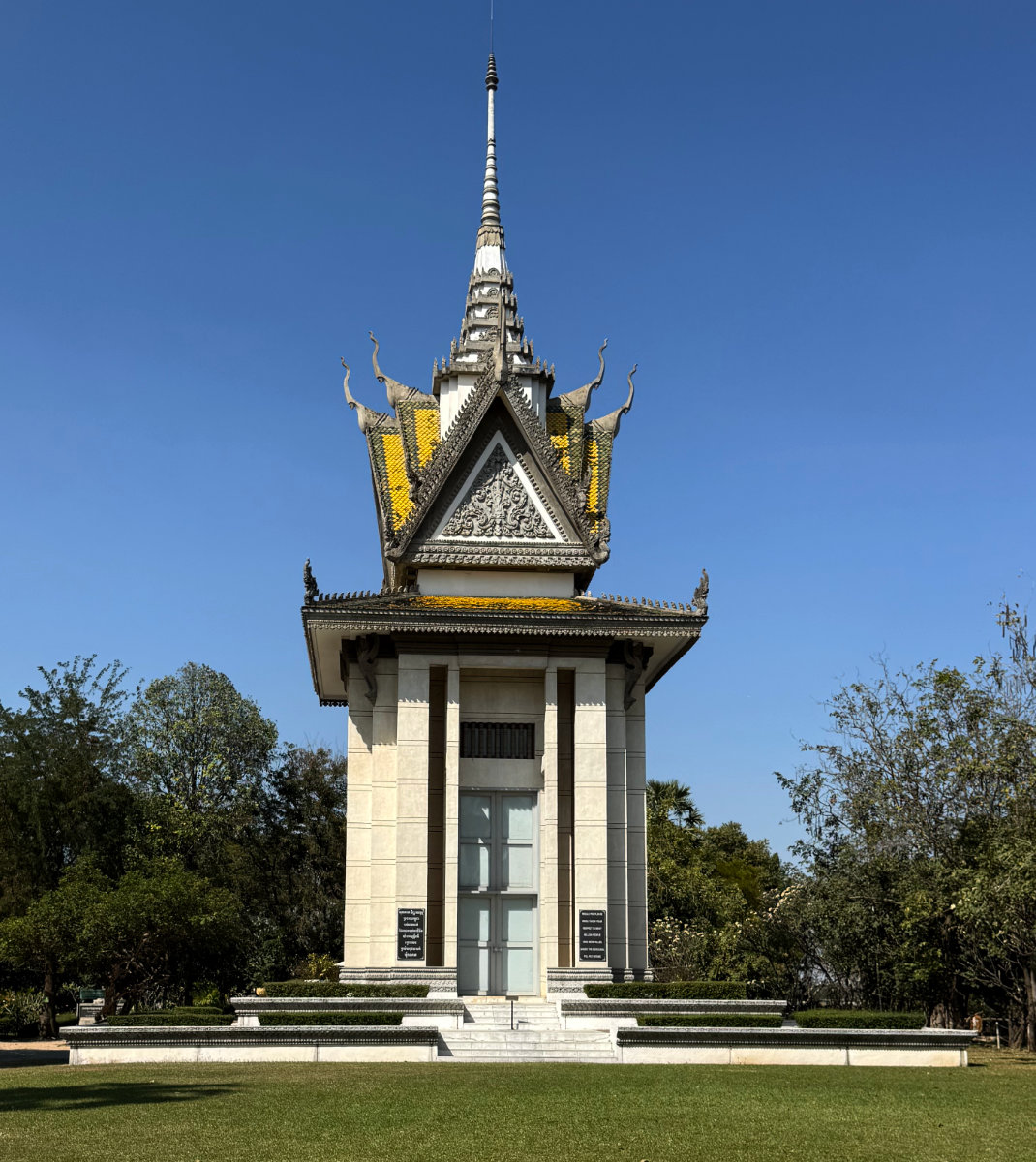
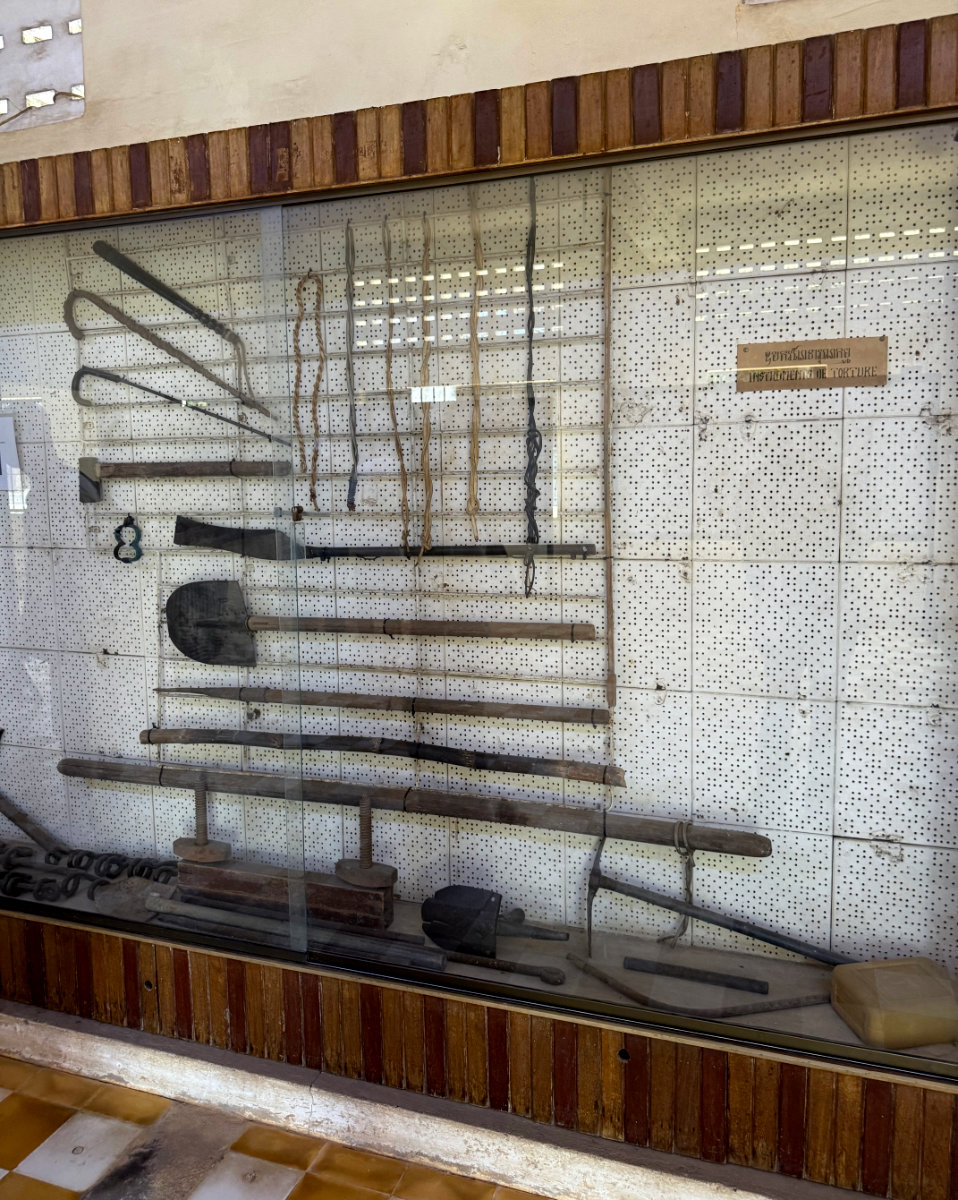
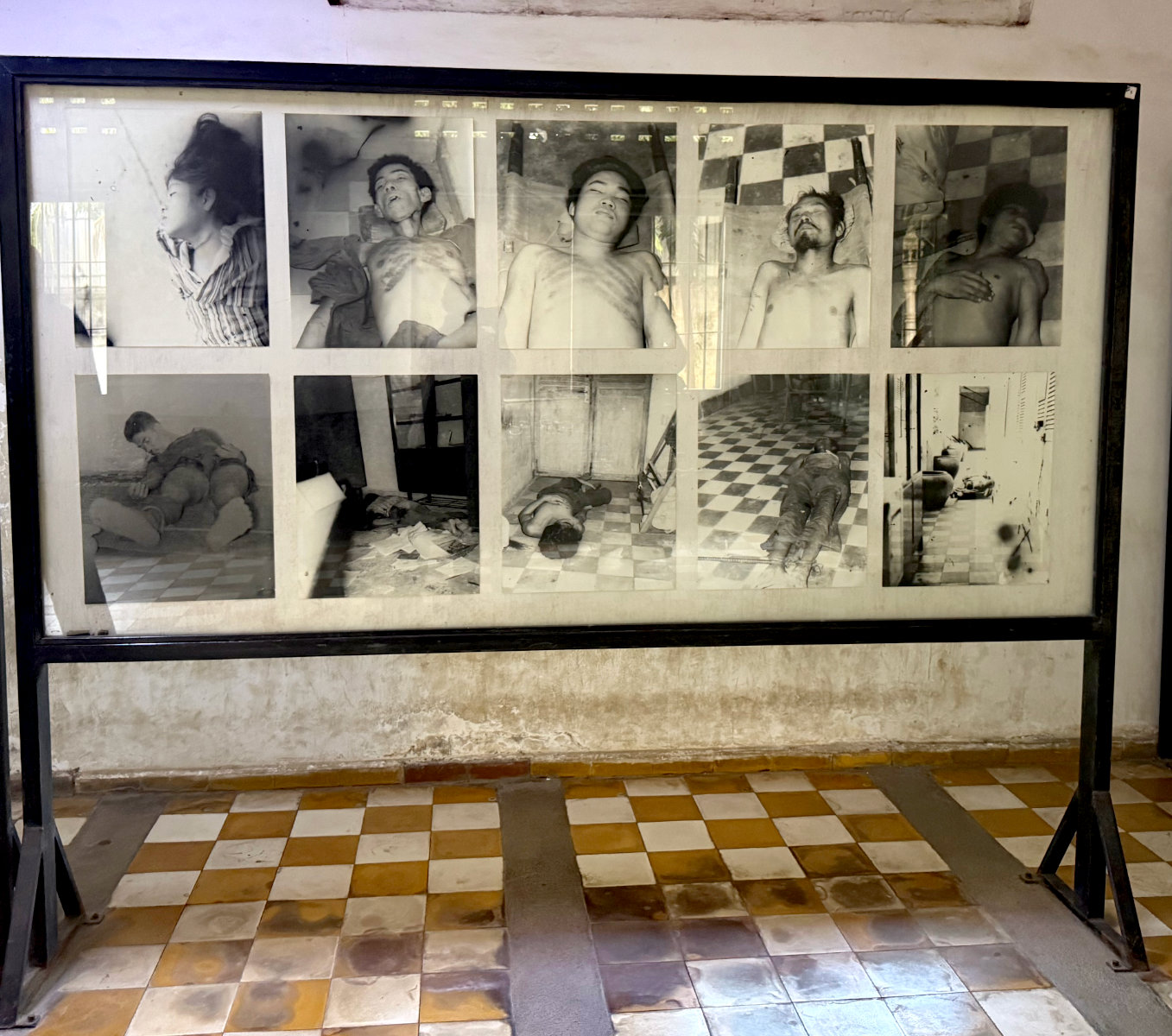
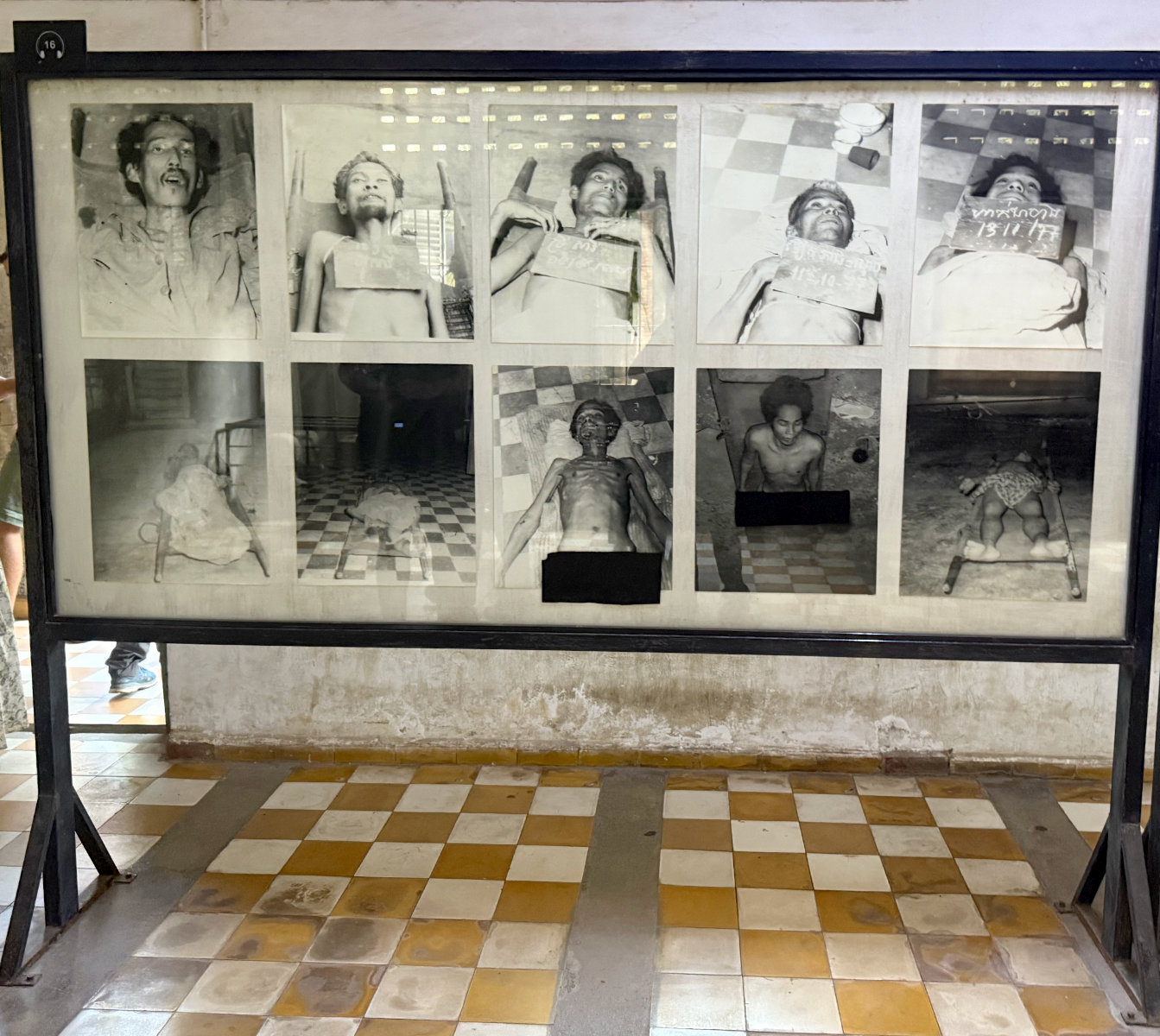
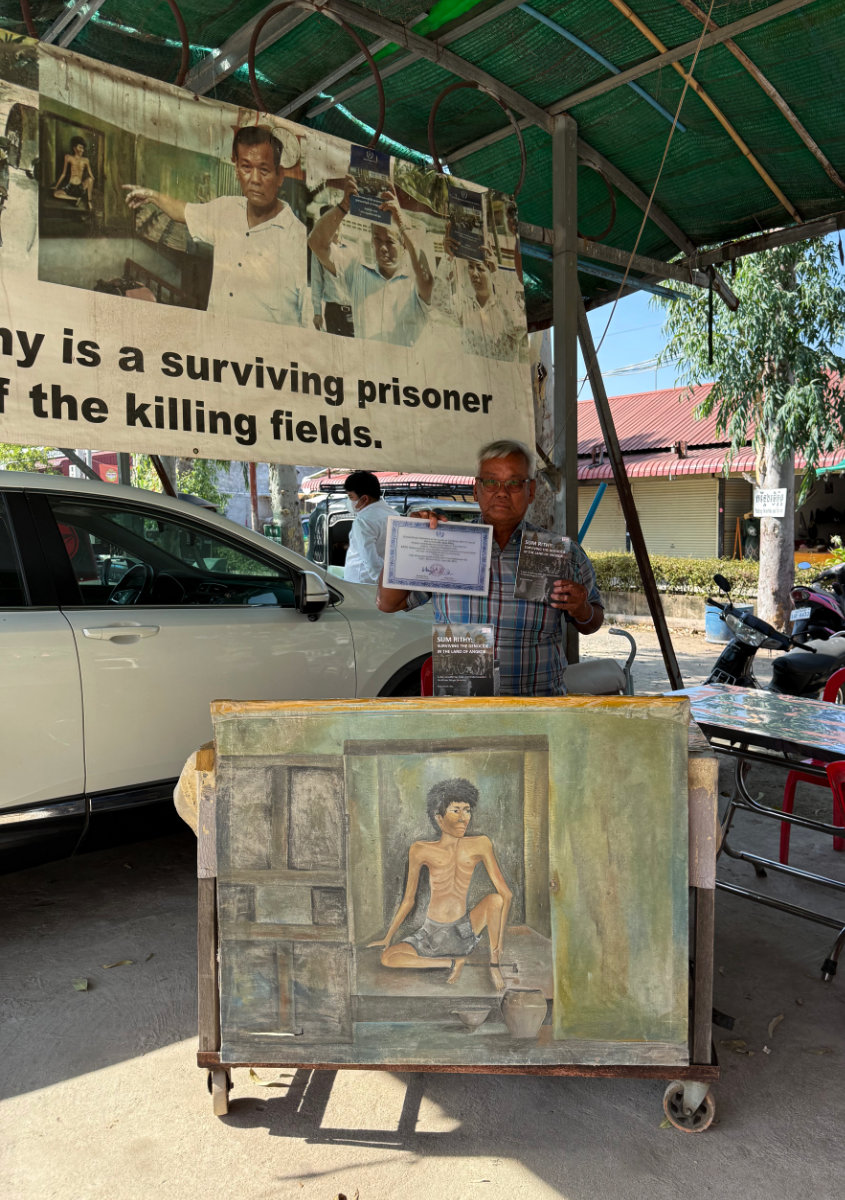
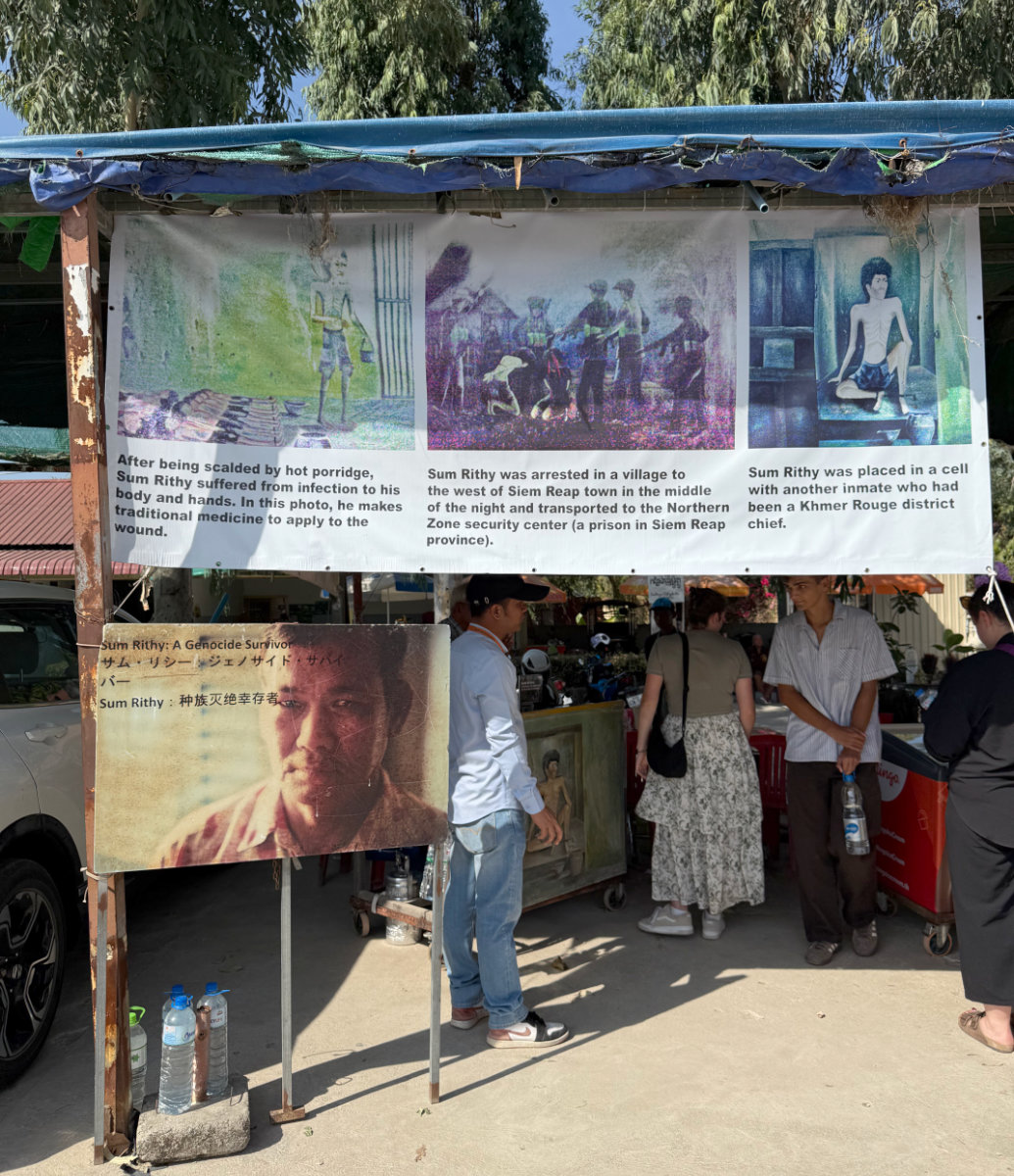
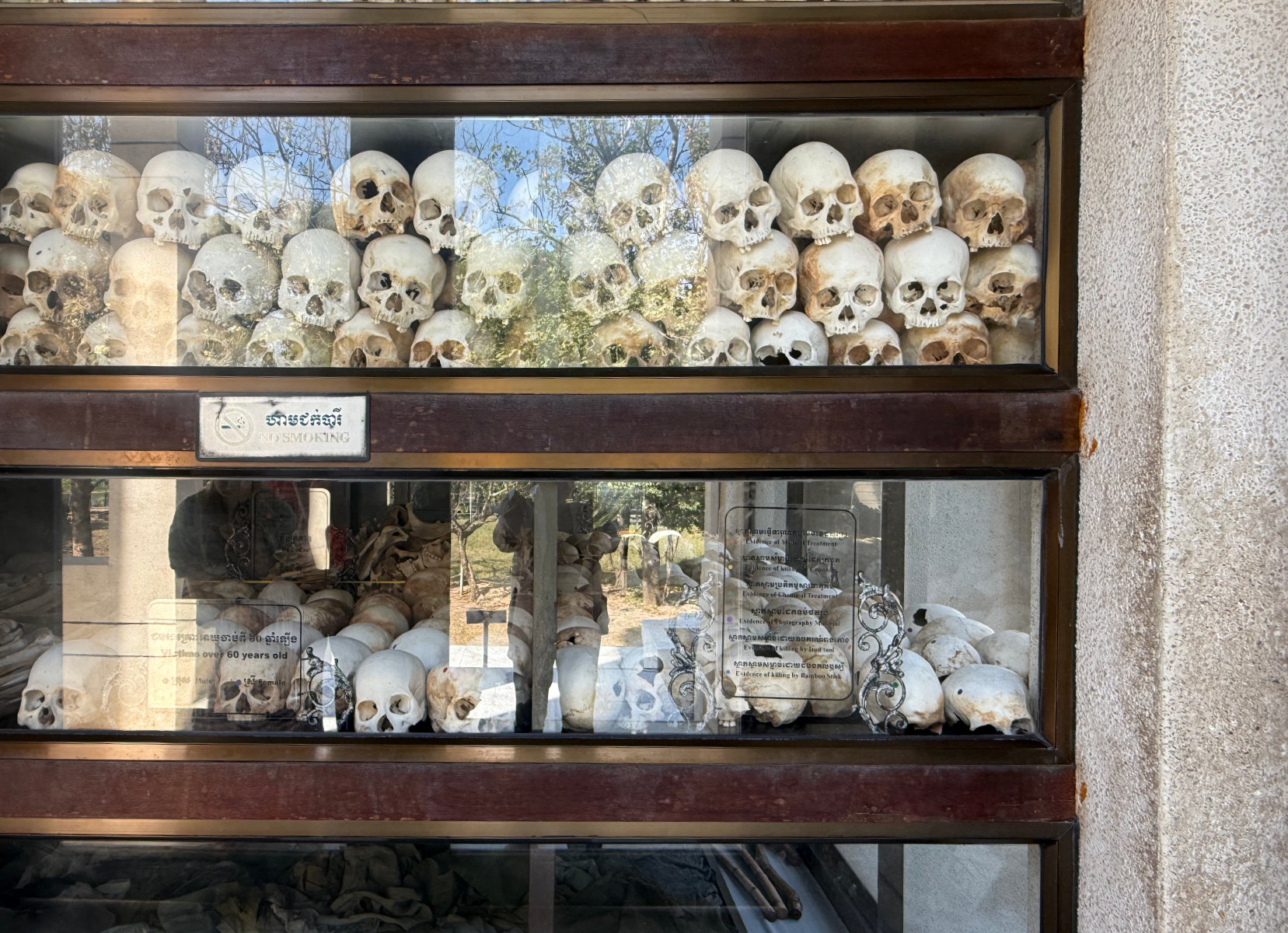
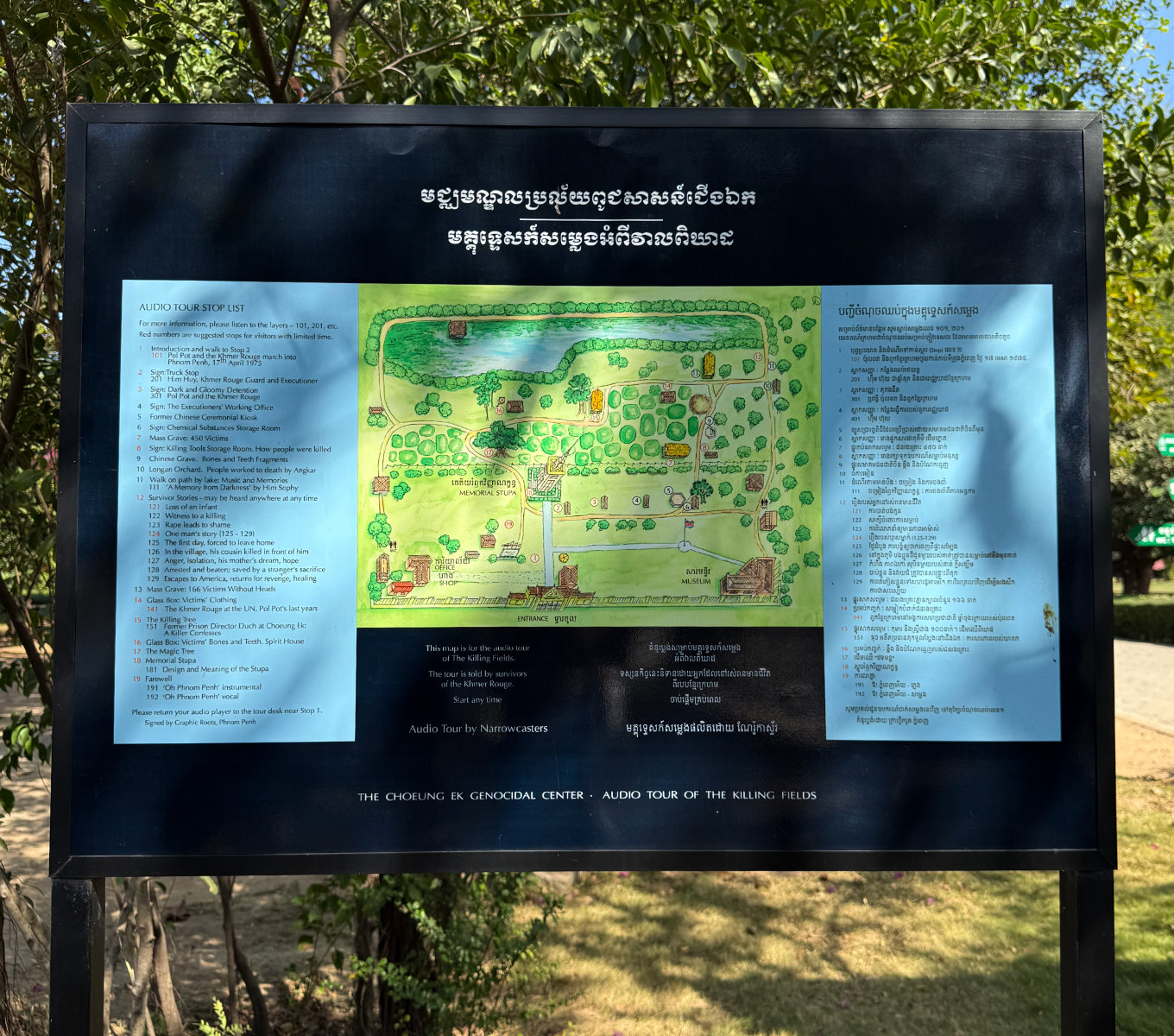
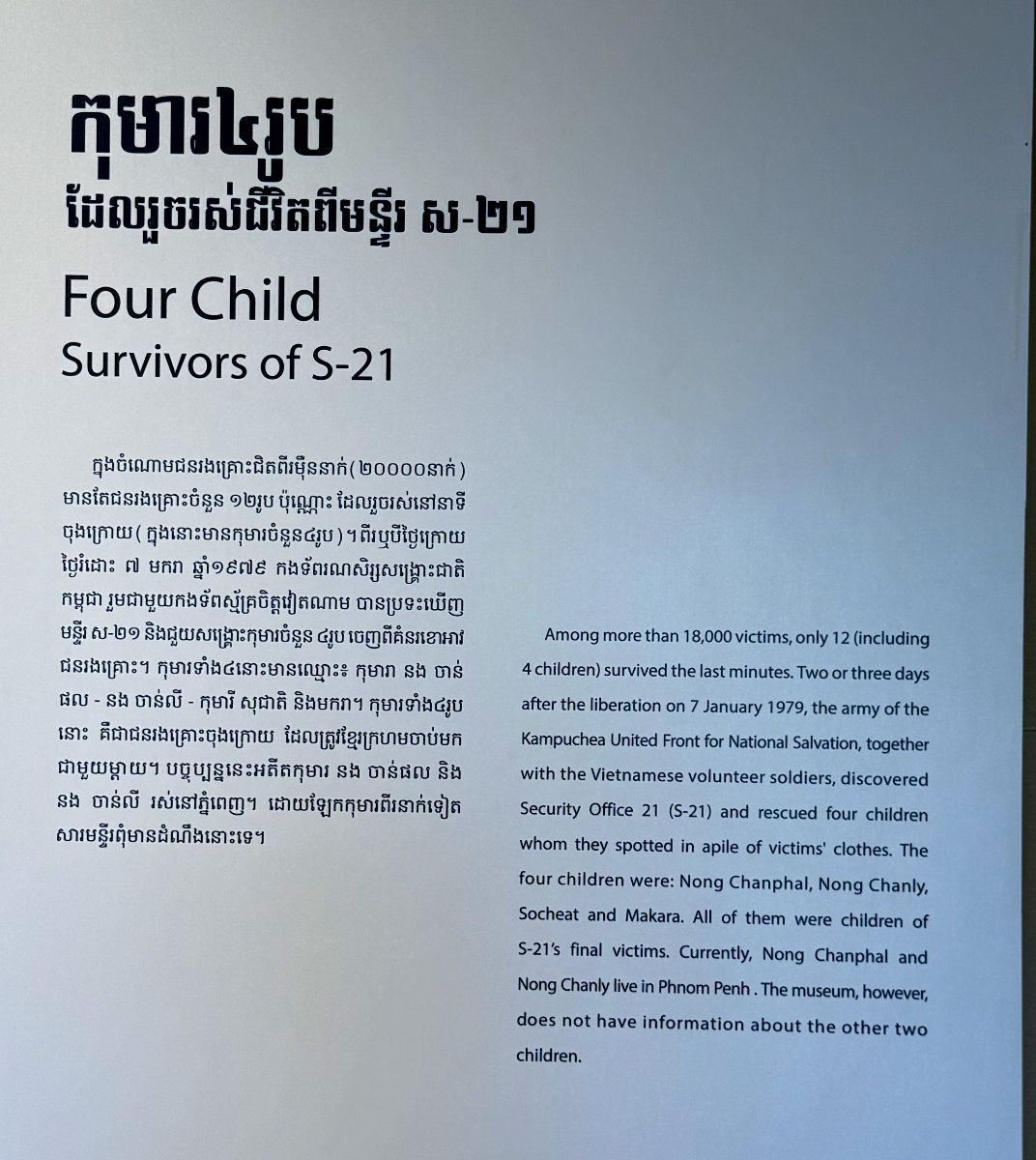
An estimated two million Cambodians would die over the next four years. Some in forced labor camps. Some in prisons like Tuol Sleng Genocide Museum. Many in the killing fields outside Phnom Penh at places like Choeung Ek Killing Fields.
All to fulfill a delusional leader’s belief that turning an entire nation into rice farmers would create utopia.
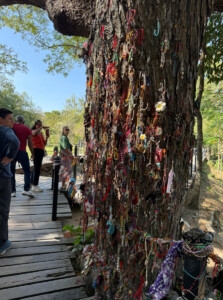
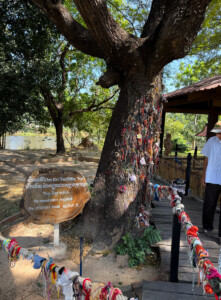
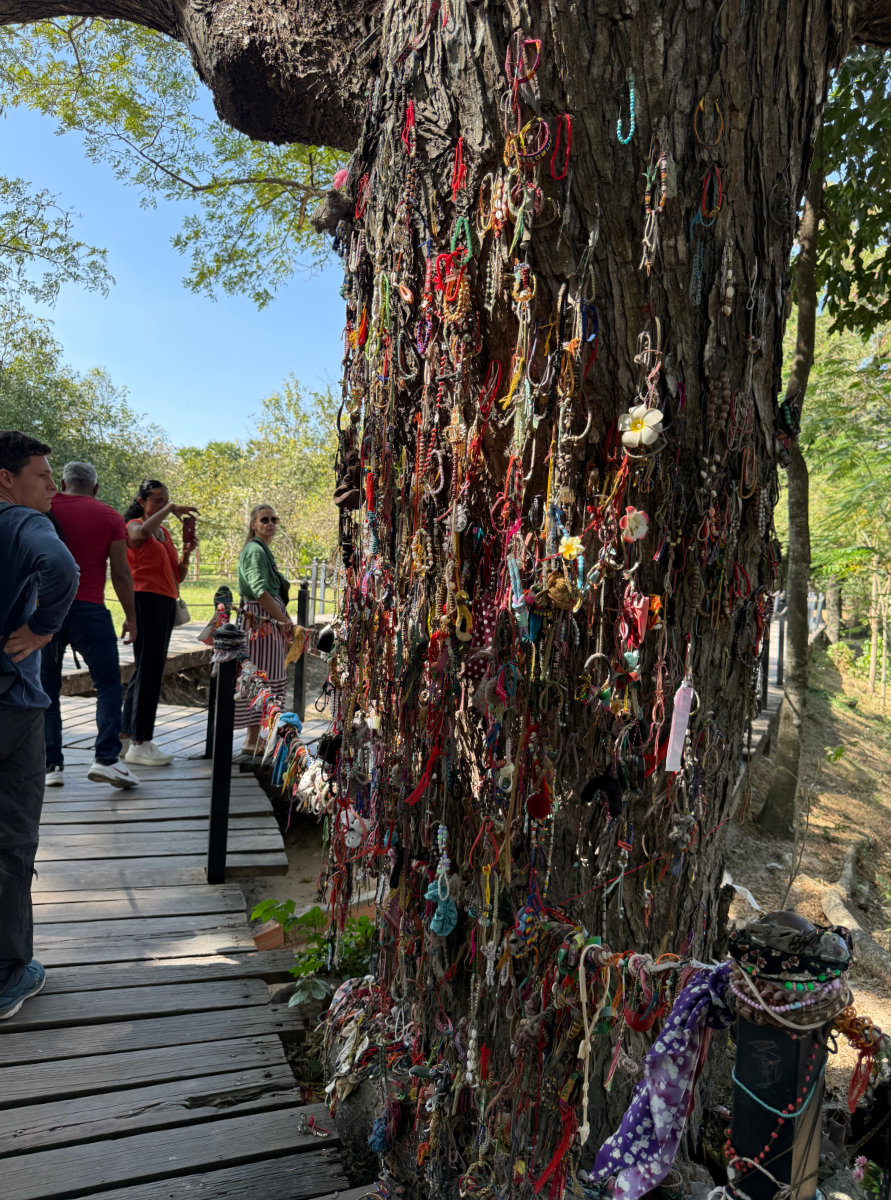
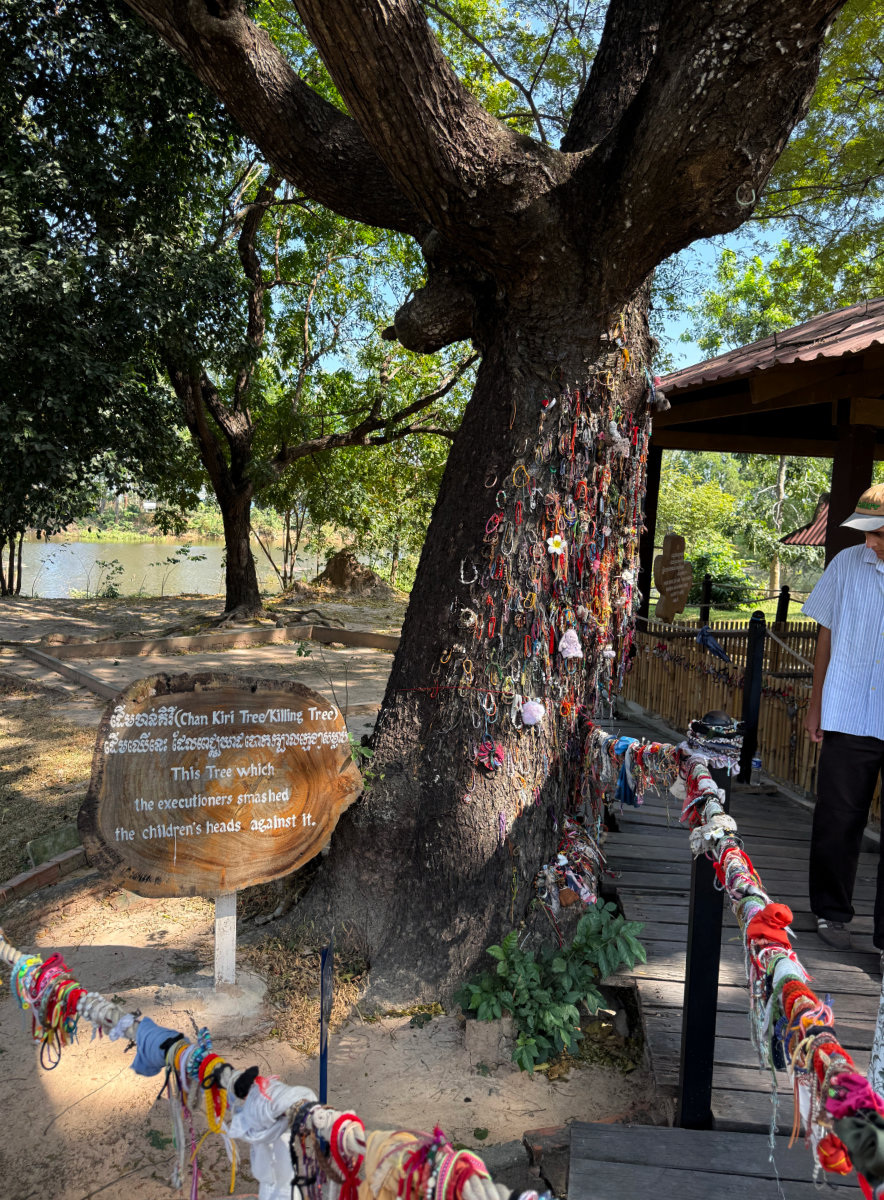
Standing there today, it’s impossible to ignore the tree where Khmer Rouge soldiers once smashed infants against the trunk before throwing them into the nearby mass graves.
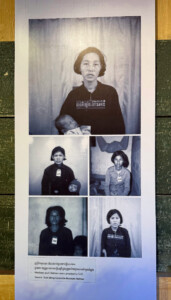
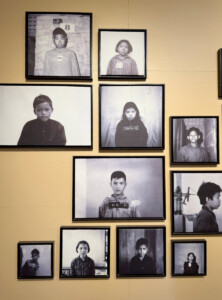
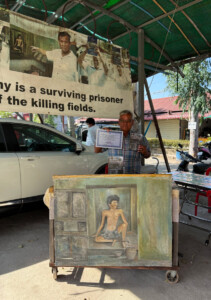
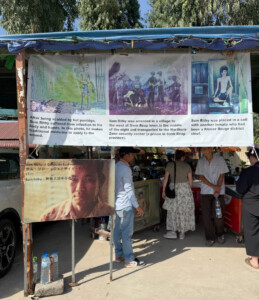
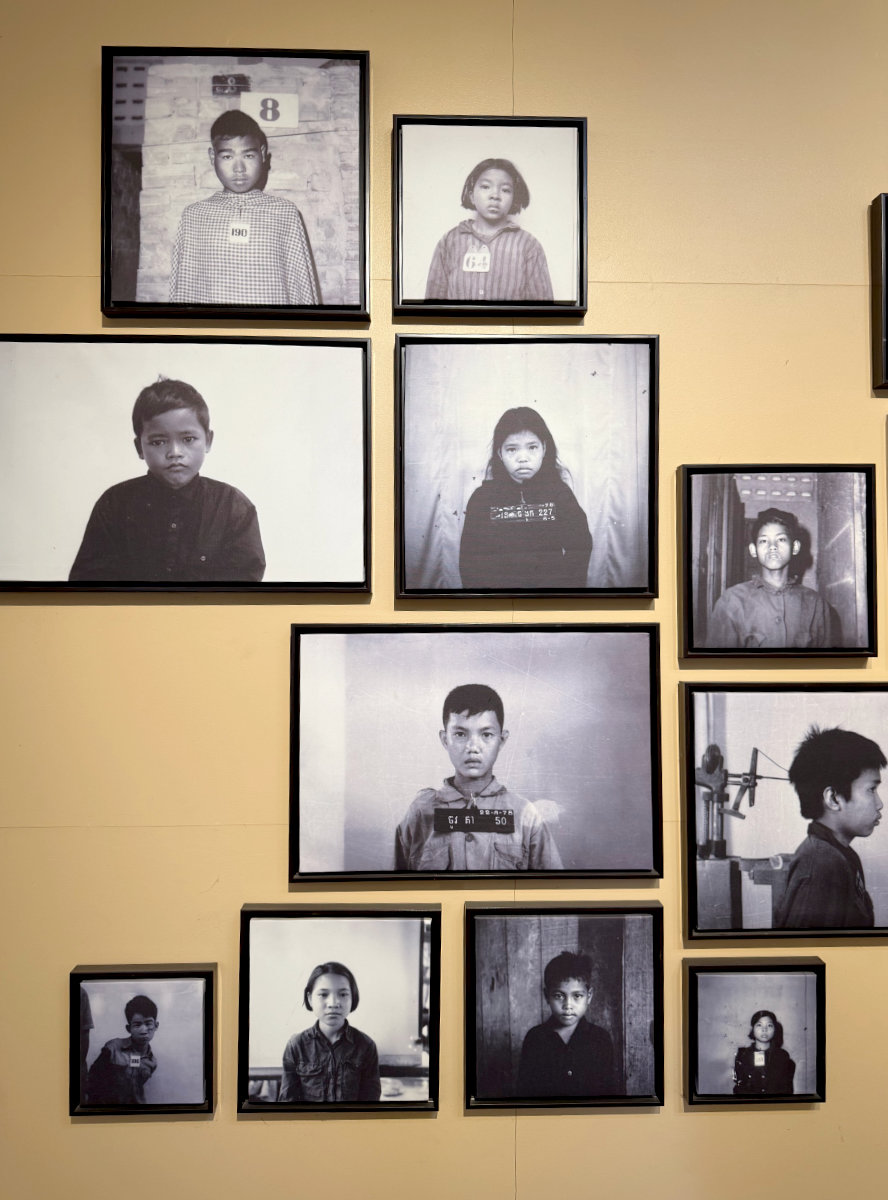
Nearby hang the photographs of teachers, doctors, and librarians—people tortured and executed simply because they were educated.
Entire families were obliterated to ensure the roots had been pulled out completely. No possibility of resistance. No chance for ideas to survive.
Transforming a school—a place meant for learning and curiosity—into a factory of torture and death is almost impossible to comprehend.
This happened fifty years ago.
Not five hundred.
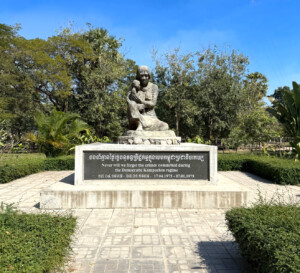
These places have been preserved so the world remembers what happened here. So we learn from the past rather than pretend it never occurred. Remembering is great, but it is our responsibility to prevent crazed killers from rising to power so atrocities such as these won’t happen again.
My idealism has long since left the building. I’ve seen one too many Genocide museums. My hope is I make it out of here before history repeats itself.
Today, Children ride bicycles down dusty streets. Markets buzz with laughter and bargaining. Families gather in the evenings over bowls of soup and rice.
In spite of all the suffering.. Cambodia’s still standing.