GOOD MORNING VIETNAM…
Four days, four hundred bucks flushed down the toilet, and one carry-on suitcase filled with belongings I’d never just abandon in a random rental room if I suddenly couldn’t take it anymore later, I arrive in Da Nang, Vietnam.
Month seven of the Living Like I’m Dying Tour: Southeast Asia—and Vietnam is the country I most want to ramble around in.
Growing up at the tail end of the Vietnam War, I wasn’t fully able to comprehend what was going on. Only later did I realize that people twice—and three times—my age couldn’t either.
I was largely unaffected, except for one thing: my mother wore a silver POW bracelet engraved with the name of some poor fellow listed as MIA. I assumed that once he was found, someone would contact us and he’d thank us for wearing his name. Many Vietnam War movies later, I came to understand the scope of the insanity of that dirty war.
Unfortunately, the anti-war movements—hippies, bra burnings, LSD—were already days gone by. By the time I reached high school, life was as bland as Melba toast and cottage cheese. Damn how I wish I’d been part of the ’60s revolution. Probably for the best; my rebellious nature might have landed me in jail, bully-sticked, or worse—shot to smithereens.
Instead, I became class president, homecoming queen, and a writer for The Campus Crier, our high school newspaper. The real me, camouflaged. I lived those years getting away with as much as I could without crossing into real trouble. Once I got caught skipping school—technically it was Senior Skip Day—but since I was president, I had to spend a couple of hours after school in detention to prove that no one is exempt from the law.
Those were the good old days.
For a couple of years, I became mildly obsessed with WWII. I’ve pretty much exhausted every resource on the good war. Blood thirsts for more. Maybe it was inevitable that my curiosity would drift from a war we celebrate to one we still don’t know how to talk about.
Living near a Vietnam War vet at the Lonestar RV Resort, around the corner from my tiny house, finally gave the war a face. While the war with COVID raged on, it felt like the perfect time to research a conflict that had changed the landscape of America.
Rusty was definitely wacked out from serving three years in the jungles of hell. He could be heard screaming at people who weren’t there at all hours of the night. Every New Year’s Eve—and a few other random times—he’d fire his gun into the air, against every policy imaginable, inside and outside the park. He didn’t like talking about the war, but I did manage to get one thing out of him: he’d been involved in the Tet Offensive.
The Tet Offensive took place in January 1968 during Tet, the Vietnamese New Year—roughly the equivalent of our New Year’s Eve, when a ceasefire was expected. When large-scale fighting erupted anyway, including in cities like Da Nang, it shocked Americans and exposed the gap between what U.S. leaders had promised and what was actually happening. It wasn’t a military loss, but the fact that the war exploded during a holiday shattered public trust and became a turning point in American opposition to the war.
During my year of “vacay,” I binged—among many other things—the Ken Burns and Lynn Novick documentary The Vietnam War. After watching the episode covering Tet, I mentioned it to Rusty, hoping for some boots-on-the-ground insight. His eyes welled up. He looked down. All he said was, Yeah… that was pretty bad.
War sucks. Humans seem to love it—or at least the ones who get us into conflict do. Without fail, the people who suffer most are the ones with the least say in decisions made on their behalf.
That’s the extent of my soapbox. This isn’t that kind of blog. And even if it were—what’s left to say that hasn’t already been said a million times over?
The war ended fifty years ago, on April 30, 1975. Clearly, Vietnam has moved on. I’m not sure why I feel such guilt over my country’s role in decimating theirs. Nobody consulted me… yet I still feel the weight of being American.
Four of my scheduled seven days in Da Nang were lost playing limbo stick. Day five disappeared into sleep. Days six and seven poured rain. I bid adieu and hopped on a train headed to Quy Nhơn.
Orient Express it ain’t.
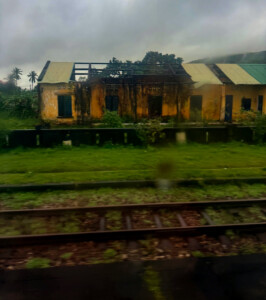
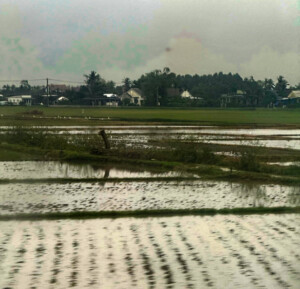
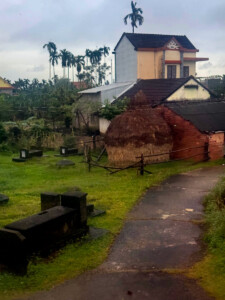
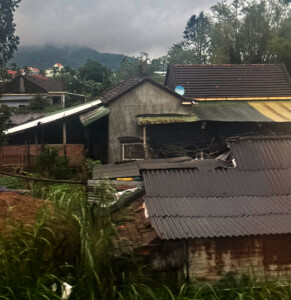
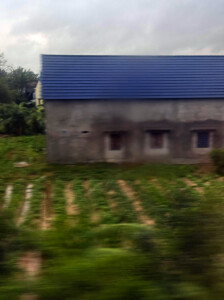
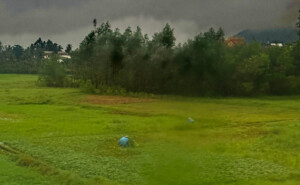
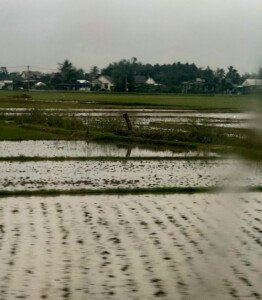
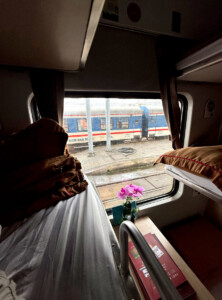
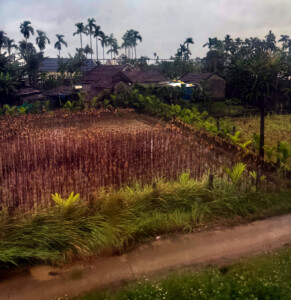
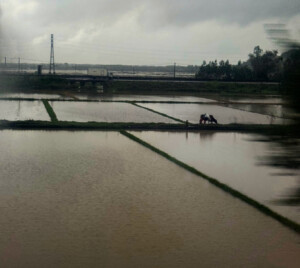
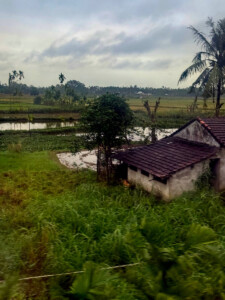
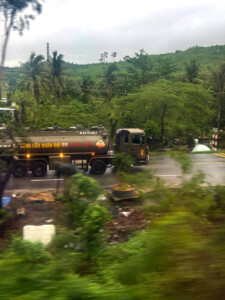
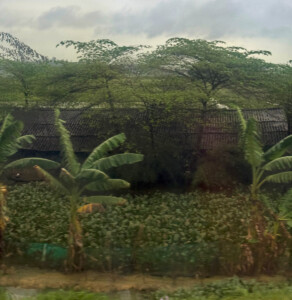
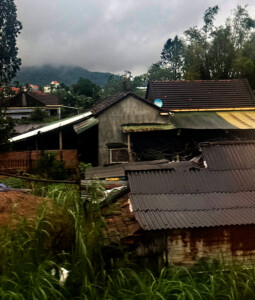
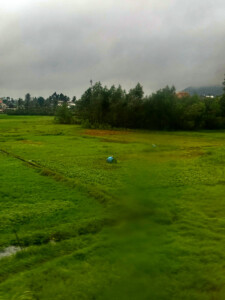
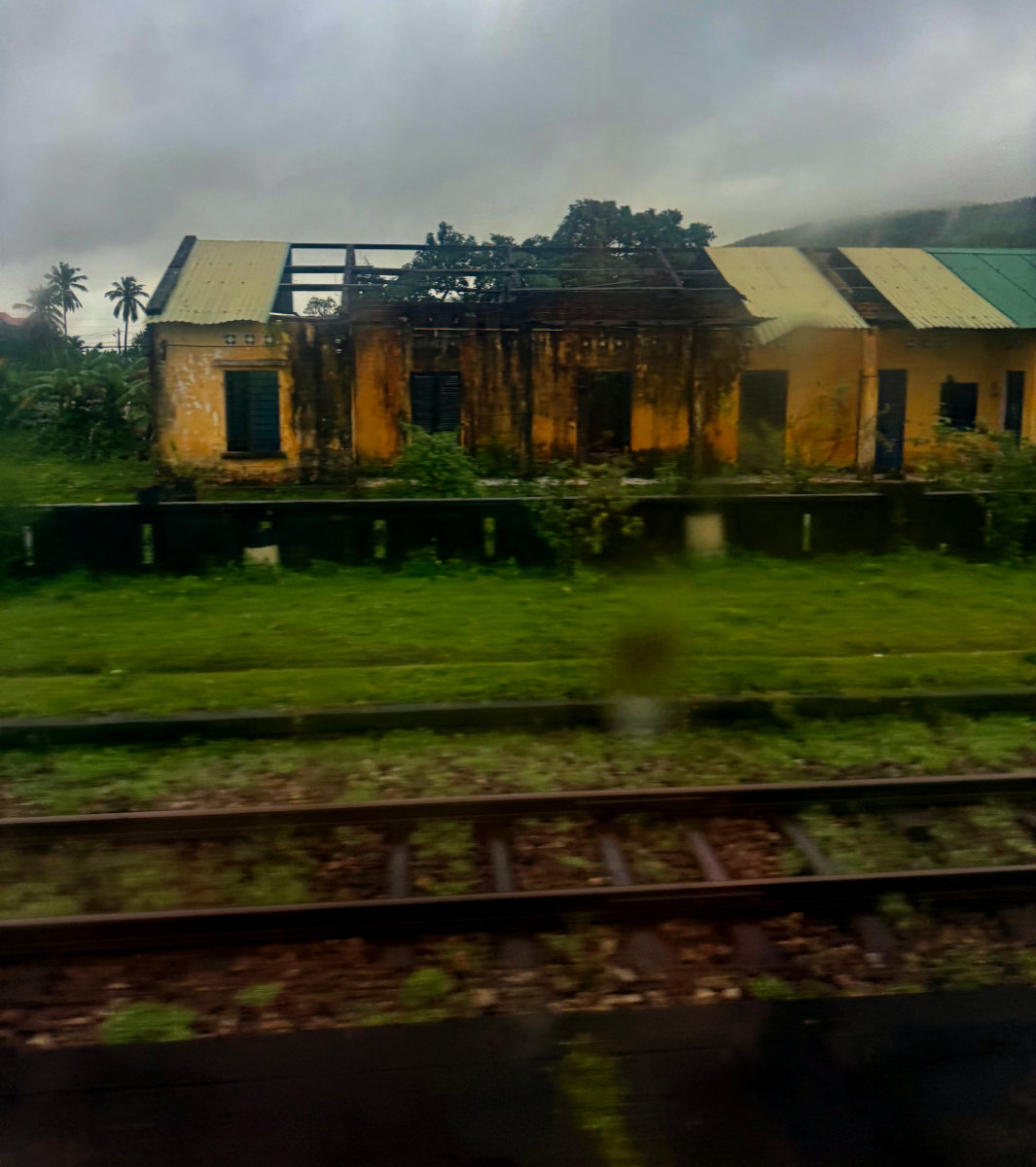
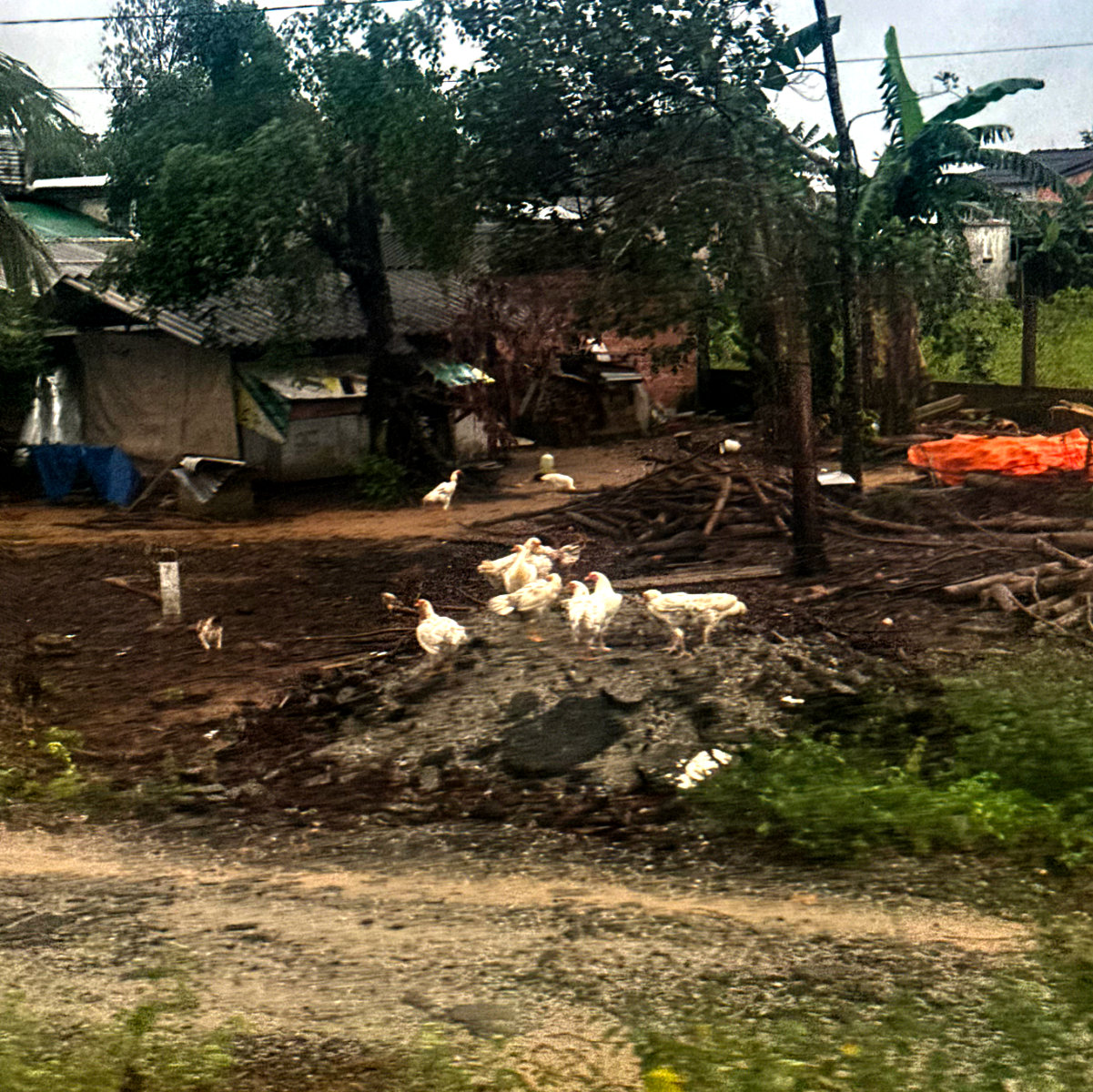
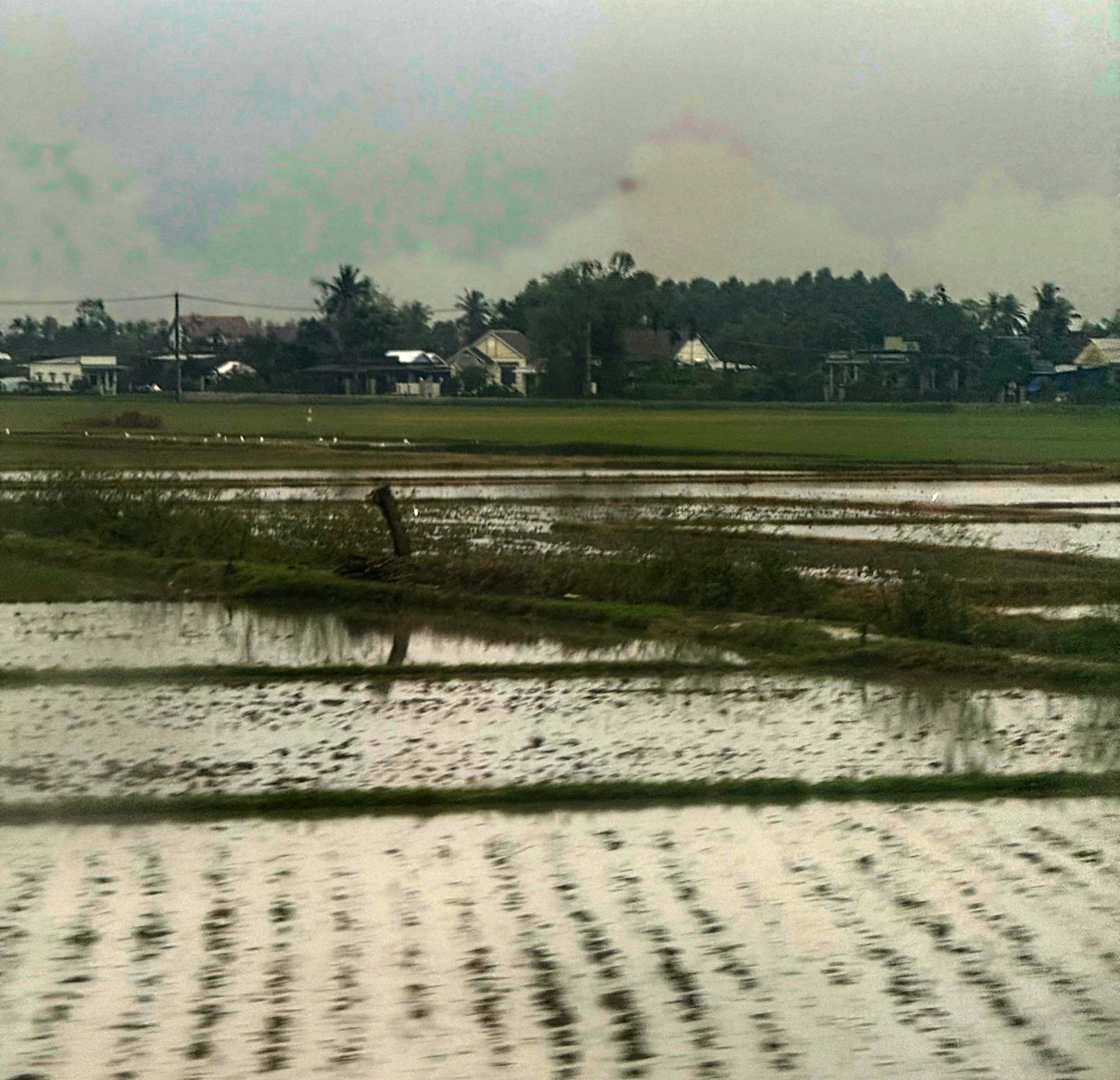
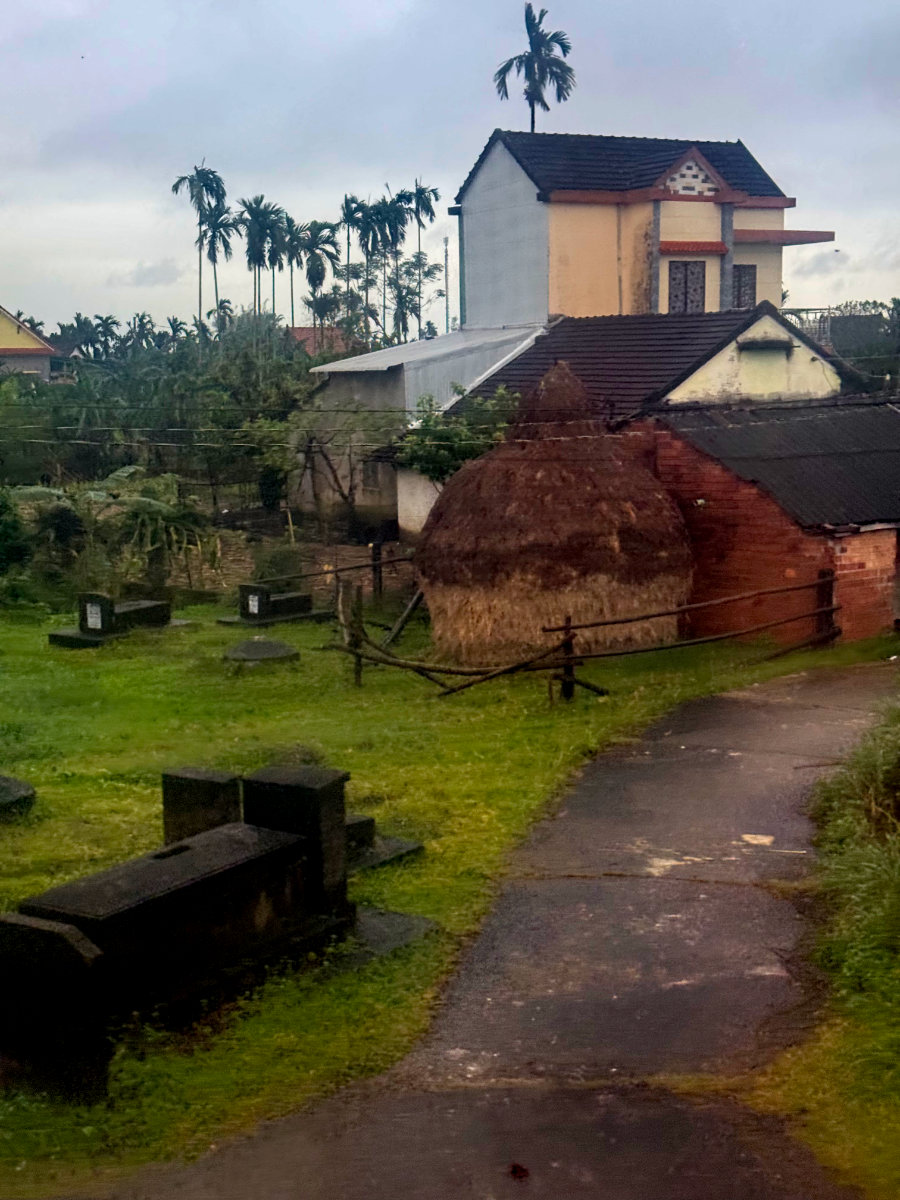
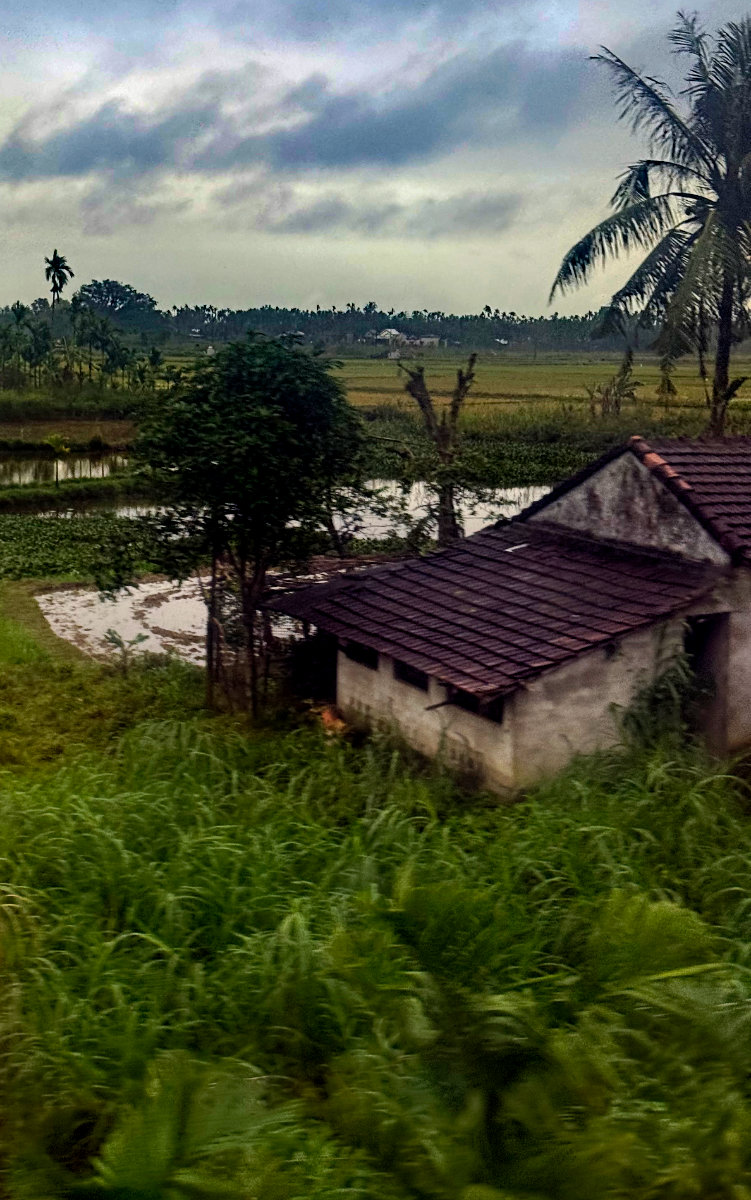
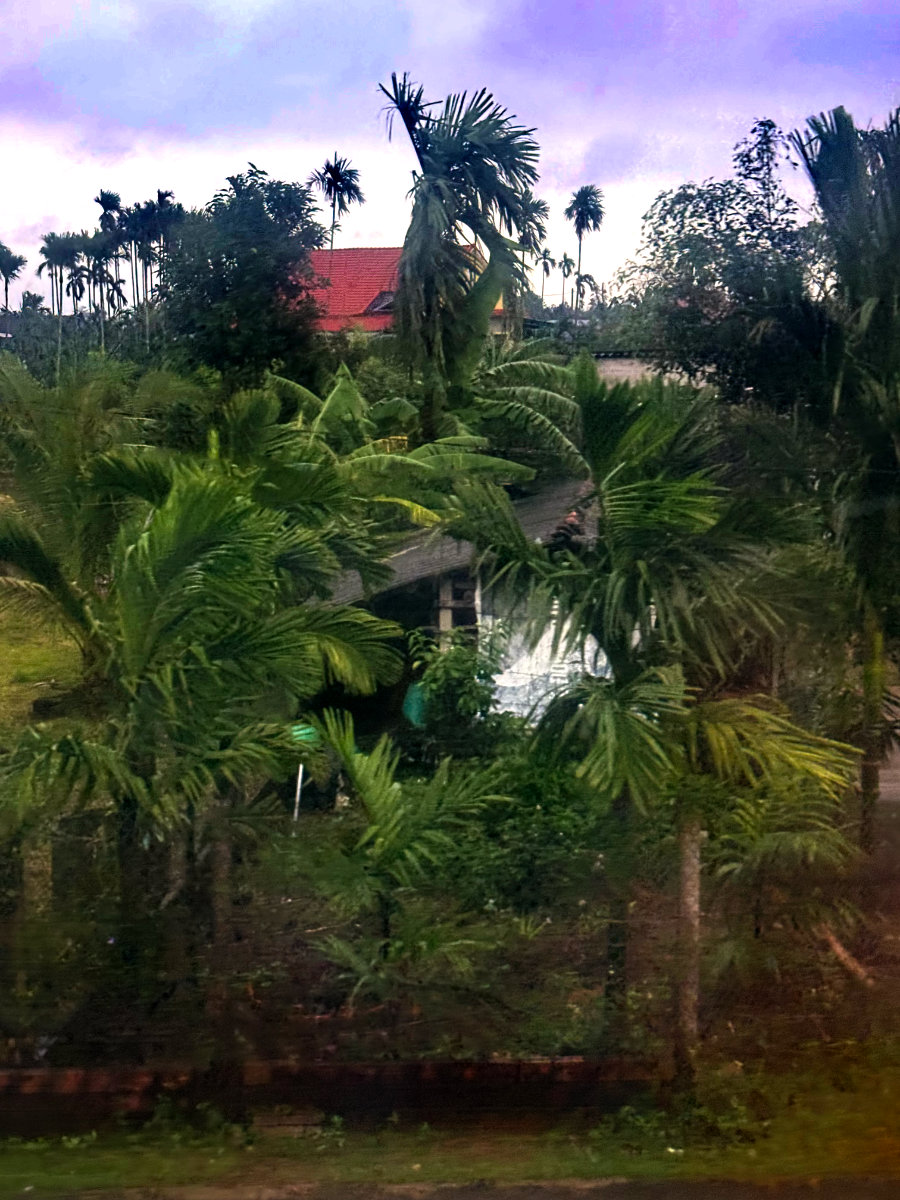
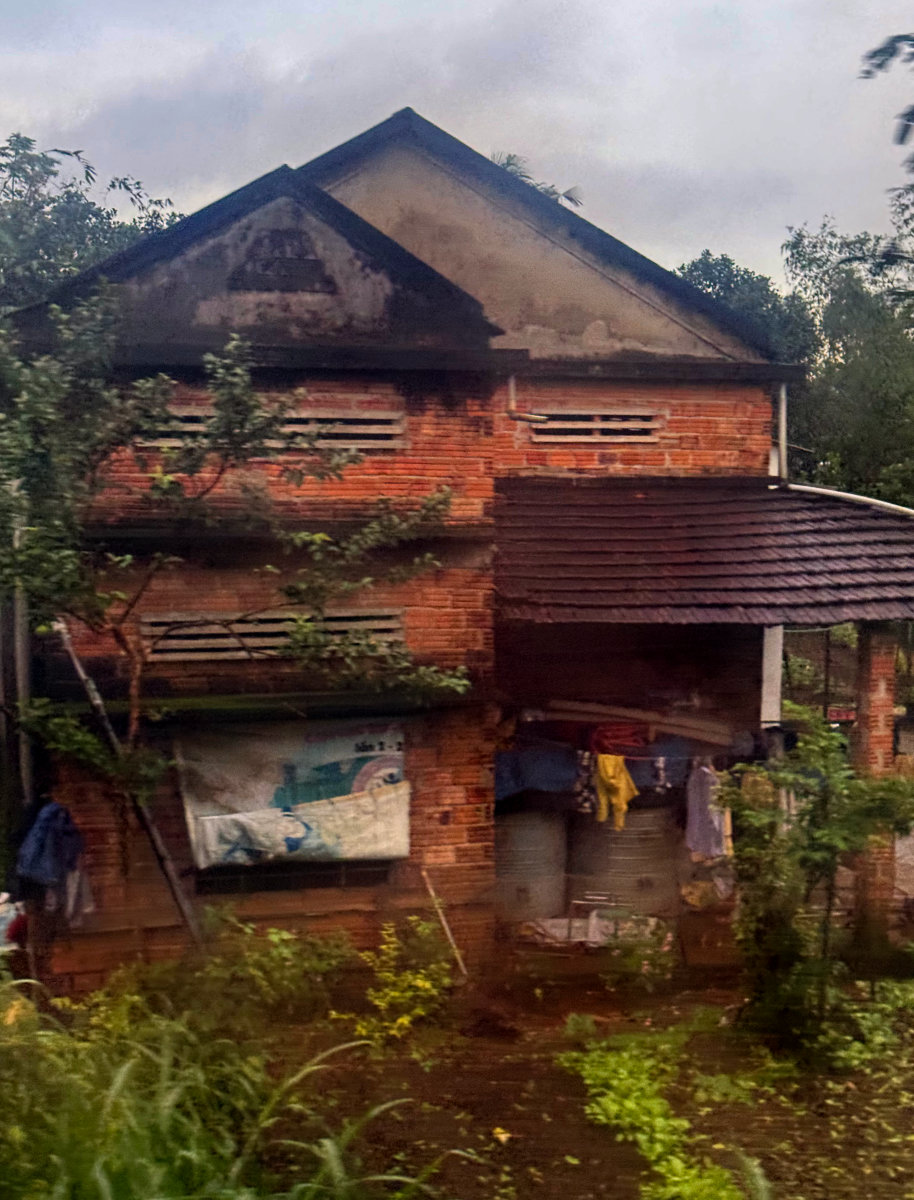
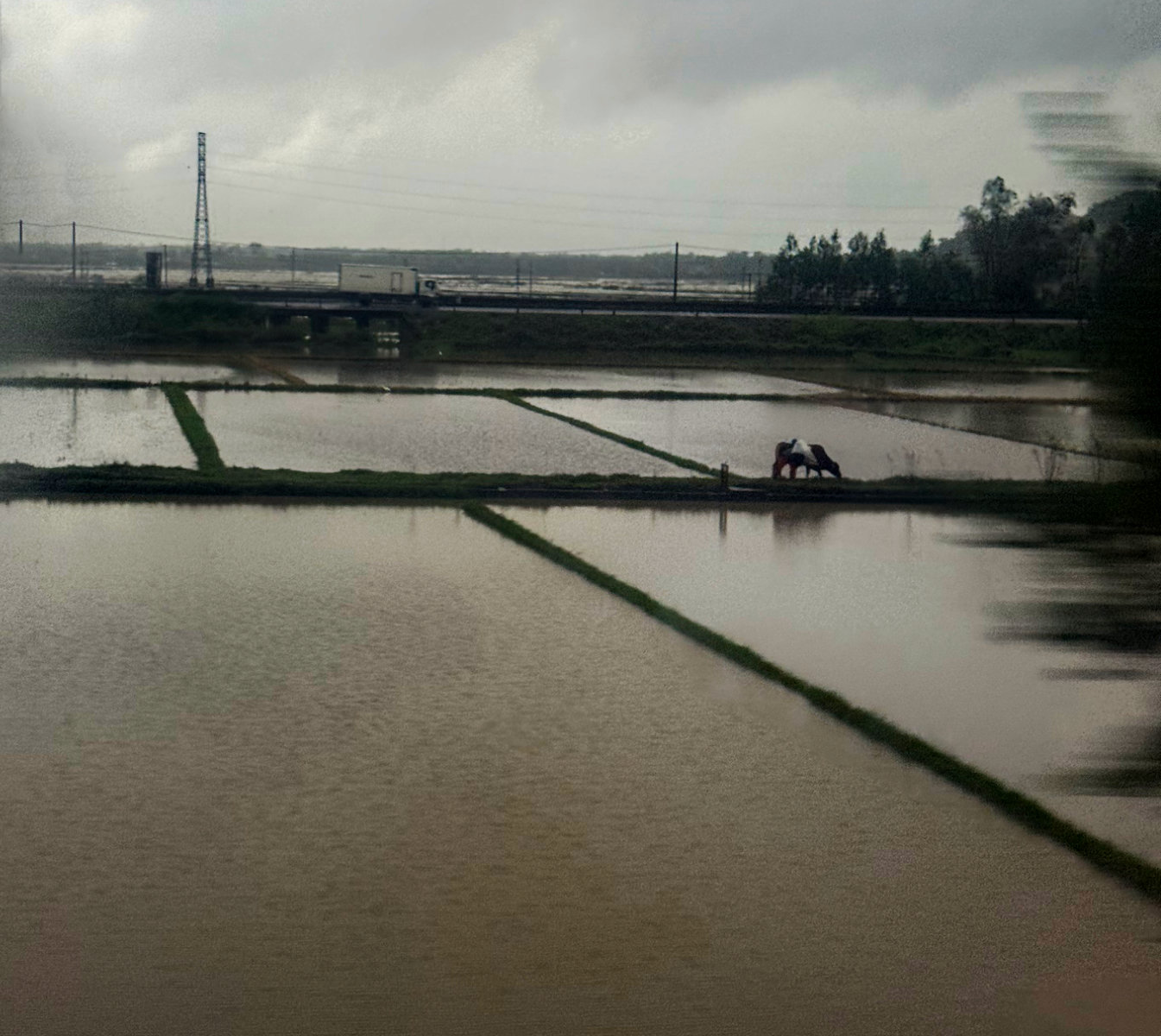
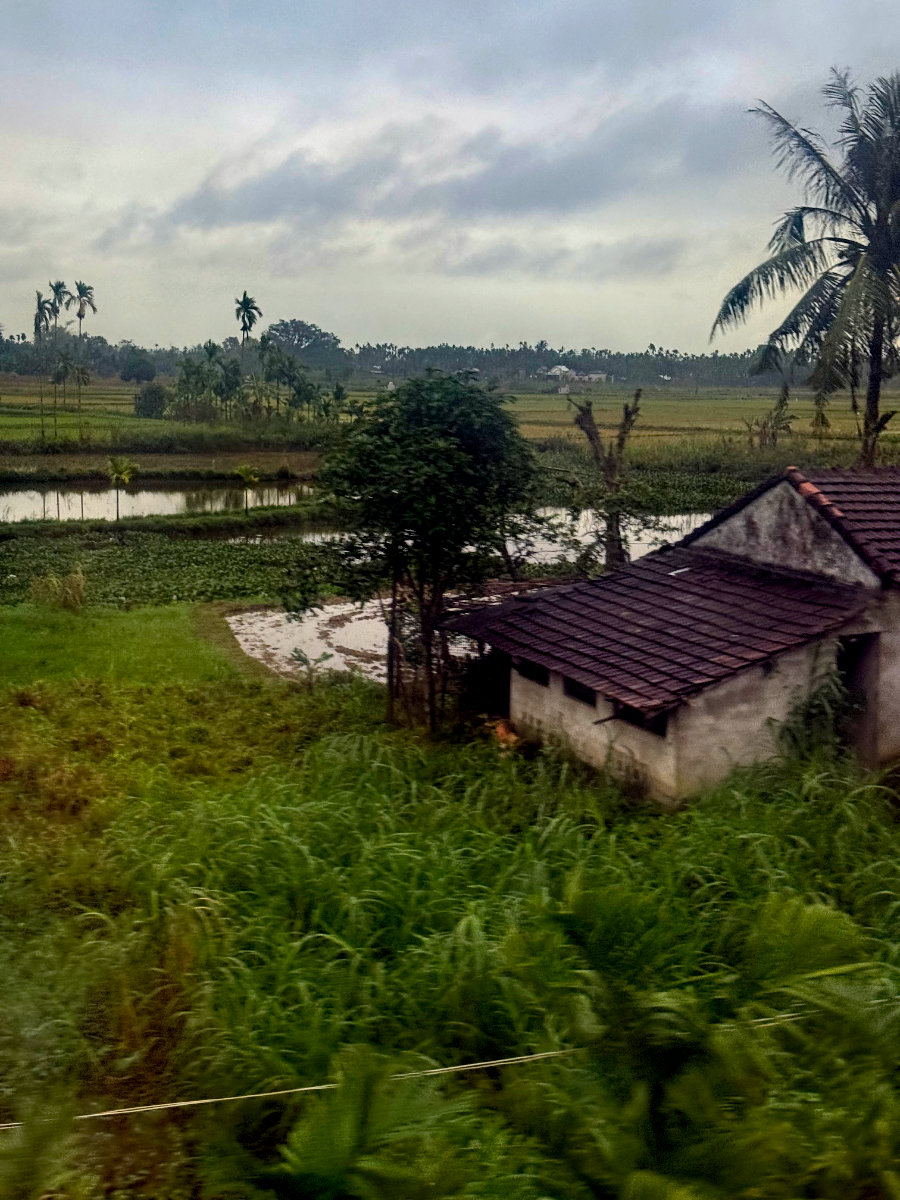
Basic sleeping bunks—six to a berth—an inexpensive journey through the countryside. Rice paddies roll by. Farmers till the fields in exactly the same way they’ve done for thousands of years. No modern machinery. Workers in pointed bamboo hats move inch by inch, hoe in hand, as egrets circle water buffalo with their calves tucked close.
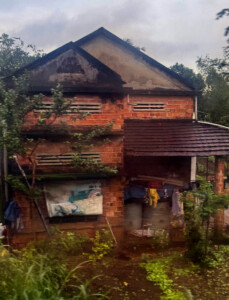
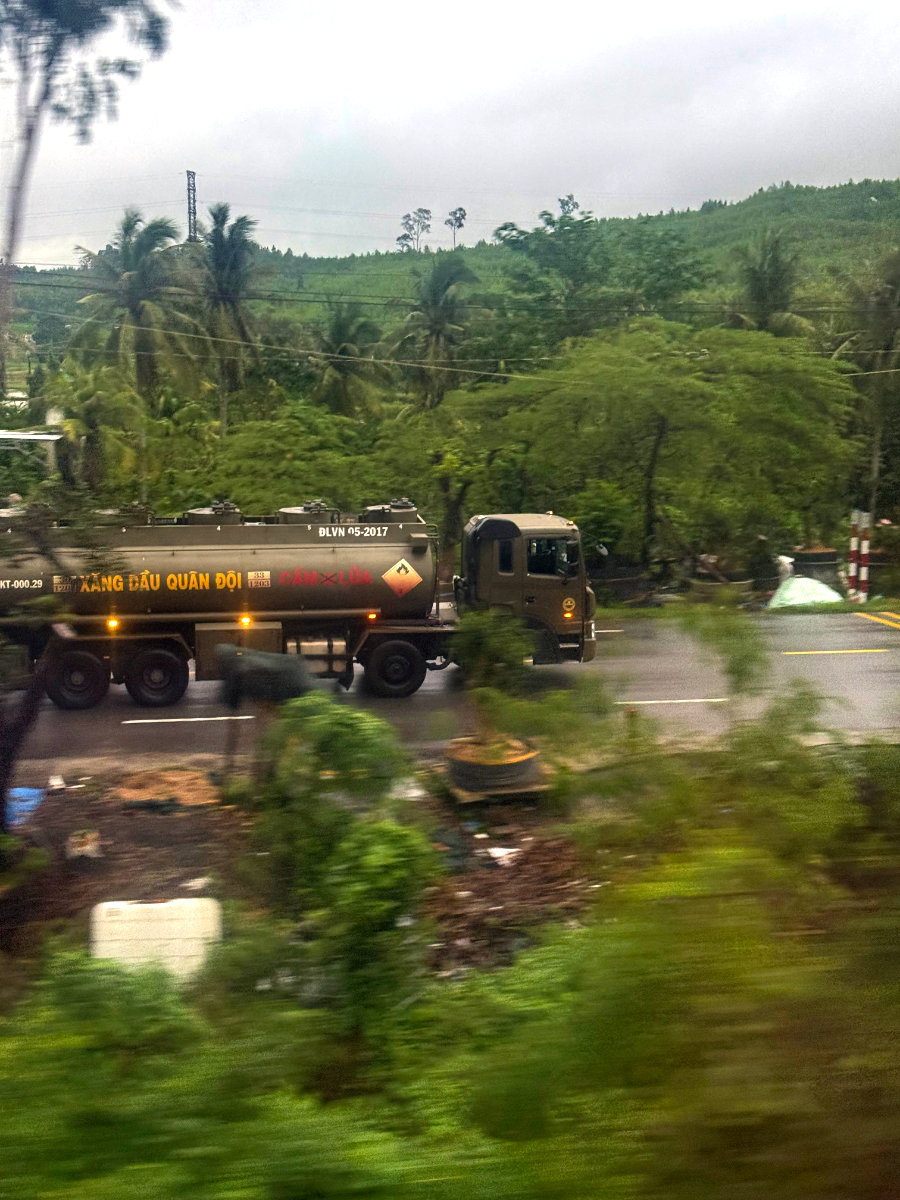
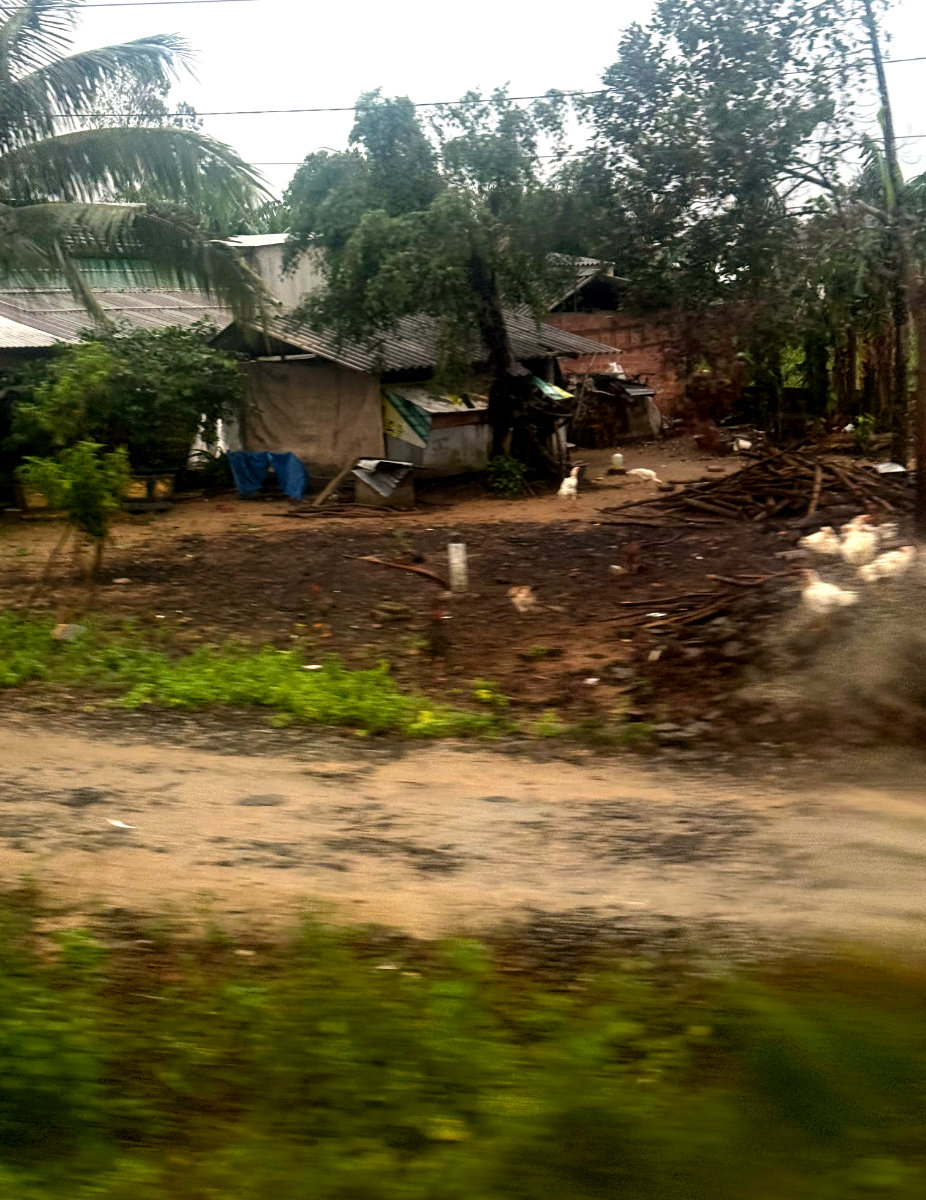
Dirty windows drip with rain. The speed of the train and the sheer normalcy of everyday rural Vietnam add to the romance, giving my photos a serene, almost Impressionist-era vibe.
Knowing these exact fields once served as backdrops for unspeakable violence unsettles me. Many people on this train are old enough to have been directly affected by America’s involvement more than fifty years ago. Most were born long after the war ended.
Still, I find myself lowering my head in quiet shame.
🍷 Reflections pair well with a decent glass of wine
Buy me a glass of wine