Laos is known as the Land of a Million Elephants… Shouldn’t be too difficult finding one to hang with.
Unfortunately, the wild elephant population in Laos has dwindled to closer to 400, with another 400 remaining in captivity, leaving me slim pickings.
Elephants have fallen victim to the number one threat facing all the world’s remaining wildlife: us. Humans.
Animal conservation has always been very near and dear to me. A few years back, I spent a summer volunteering at a lion conservation in Zimbabwe, Africa. It was an amazing, fulfilling, eye-opening experience — and a lot of hard work.
Cleaning lion enclosures, scrubbing mold off water troughs, hauling bloody bovine carcasses for daily feedings, and putting out literal fires with plastic water containers strapped to our backs. Our sleeping quarters were primitive, food was pretty basic, showers consisted of drips of cold water, and internet was nonexistent.
Waking up in the middle of the night to lions roaring in the distance, riding horses bareback, making handmade bricks for a nearby village school, and spending time with the conservation’s horses, dogs, cats, an adorable donkey, and three rescued elephants balanced the scales.
Africa will remain the most momentous time of my life. Of all the adventures I’ve had — and the ones I’ve yet to have — it will take a whopper to move it from first place.
But I’m giving it my best shot.
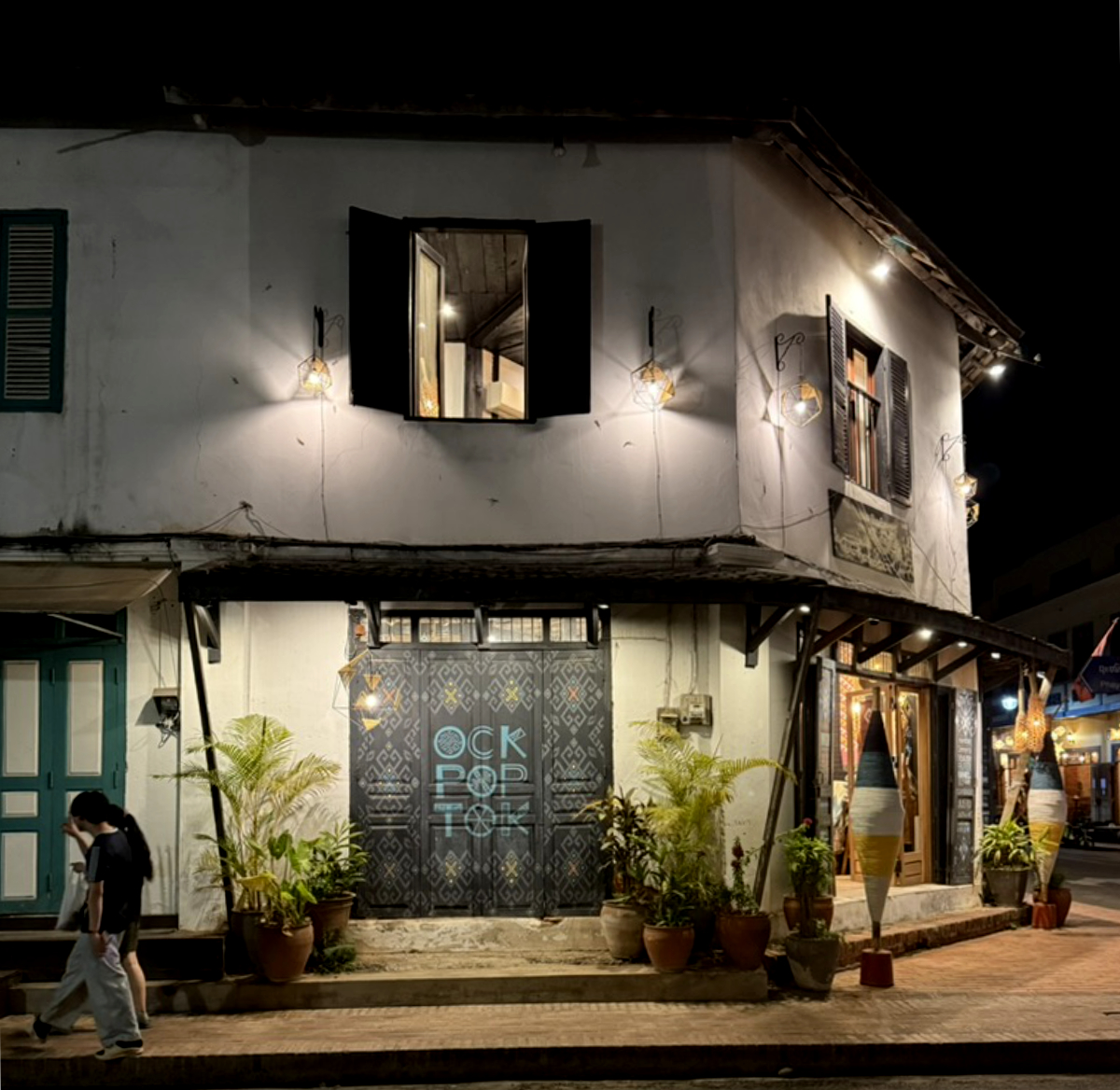
Walking along the streets of Luang Prabang, my final Laos destination, I come upon a storefront for Elephant Village Sanctuary and Resort promoting their eco-tourism rescue center for gentle giants.
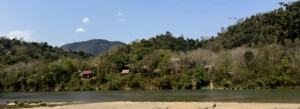
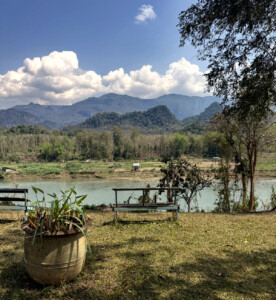
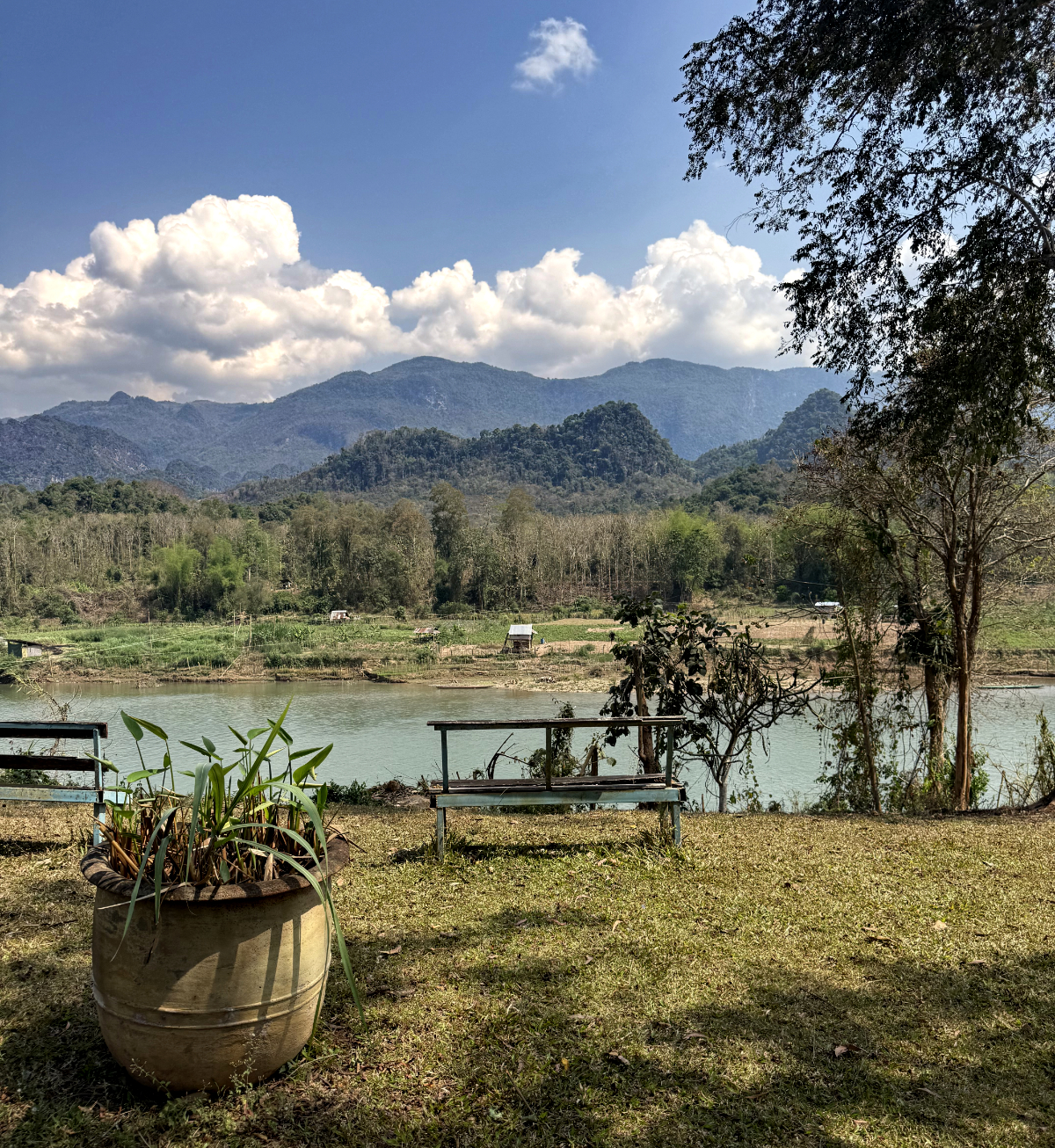
After gathering intel on the tours available, I sign up for an overnight excursion. Having previously spent thirty days in Africa under challenging circumstances, glamping in a stunning tent with a king-sized bed, full bathtub, and wide-screen TV overlooking the Nam Khan River, trekking through diverse jungle landscapes en route to Tad Sae Waterfall, feeding and bathing elephants, and eating homemade authentic Laotian food just may not appeal to me.
Ah, what the heck — what’s the worst that can happen?
With three sleeps to go, I read up on what’s to come.
Elephant Village Sanctuary falls into what’s often called a tourism “hybrid.” In other words, it doesn’t fully meet the strict international standards required to be considered a 100% ethical sanctuary.
A true sanctuary follows a completely hands-off, observation-only approach. Elephant Village isn’t accredited by organizations like GFAS (Global Federation of Animal Sanctuaries) and instead exists somewhere in the middle — part rescue effort, part tourism experience.
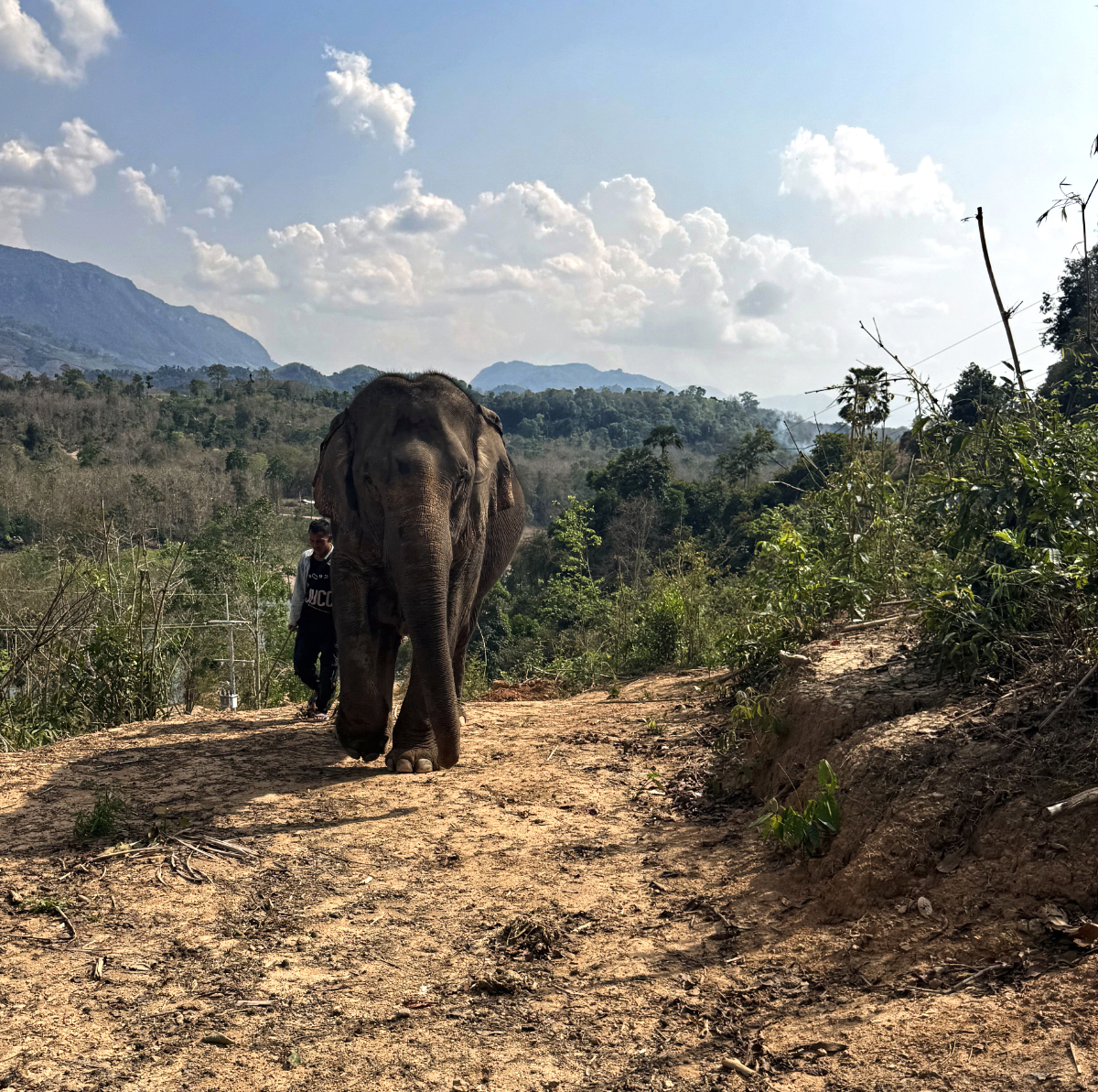
Elephant Village rescues elephants from Laos’ dangerous logging industry and gives them a safer environment. These elephants require enormous amounts of food and veterinary care, and once in captivity, most can’t simply be released back into the wild. Left on their own, many would likely face starvation, exploitation, or poaching.
The reality is complicated.. With limited resources, incomplete information, and little understanding of the realities involved how can I make a judgement call.
I’m cool with the pragmatic compromise of a rescue sanctuary funded by tourism.
In these times, an alive elephant is better than no elephant.
The morning before my slumber party, I’m woken by the sound of a raging stampede.
Wood pounding all around me. A human voice echoing in the background, calling my name and guiding me to safety.
Bang. Bang.
Lary. Lary.
Bang.
OMG… WTF…
It’s my hotel door.
And it’s 8 A.M.
Must be maid service.
Opening the door, I see the guesthouse owner.
“No thanks. No clean today.”
“You have a tour today.”
“No, it’s tomorrow.”
And then a guy wearing an Elephant Village t-shirt appears in my doorway.
“Lary?” he asks, verifying my identity.
“Yes.”
“My tour is tomorrow,” I say.
“We have you scheduled for today,” he replies.
FFS.
It is today, but my mind sees tomorrow.
OK OK OK… ummmm… OK… give me ten minutes. I’m so sorry.
Laughing while frantically throwing random things into a bag, I marvel at how I somehow find all of this amusing.
Ten minutes later, with a breathless apology prepared, I throw myself into an empty van.
Ganesha, the Hindu elephant god and symbol of good luck, has smiled upon me. Signing up for a tour normally accommodating 4–10 people consists of just me.
Our thirty minute van ride wind through the Laos country side, passing small villages stretches o jungle and flashes of everyday life in complete contrast to the pristine streets of Luang Prabang.
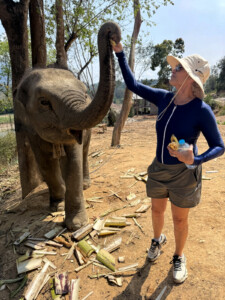
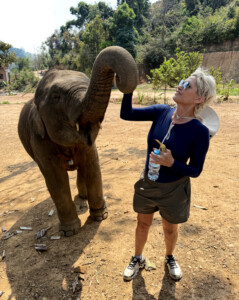
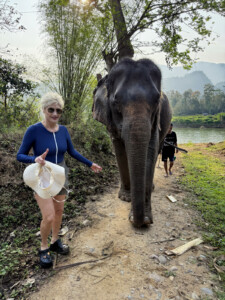
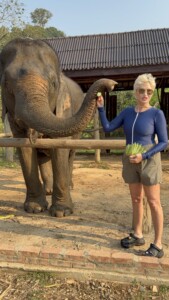
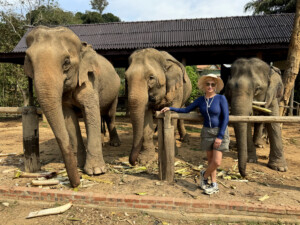
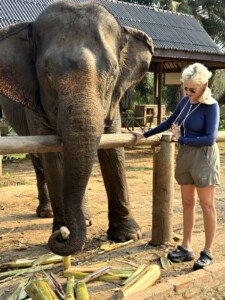
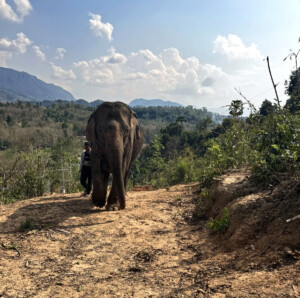
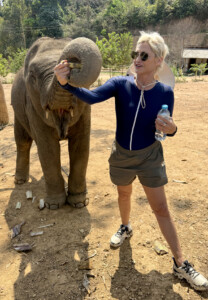
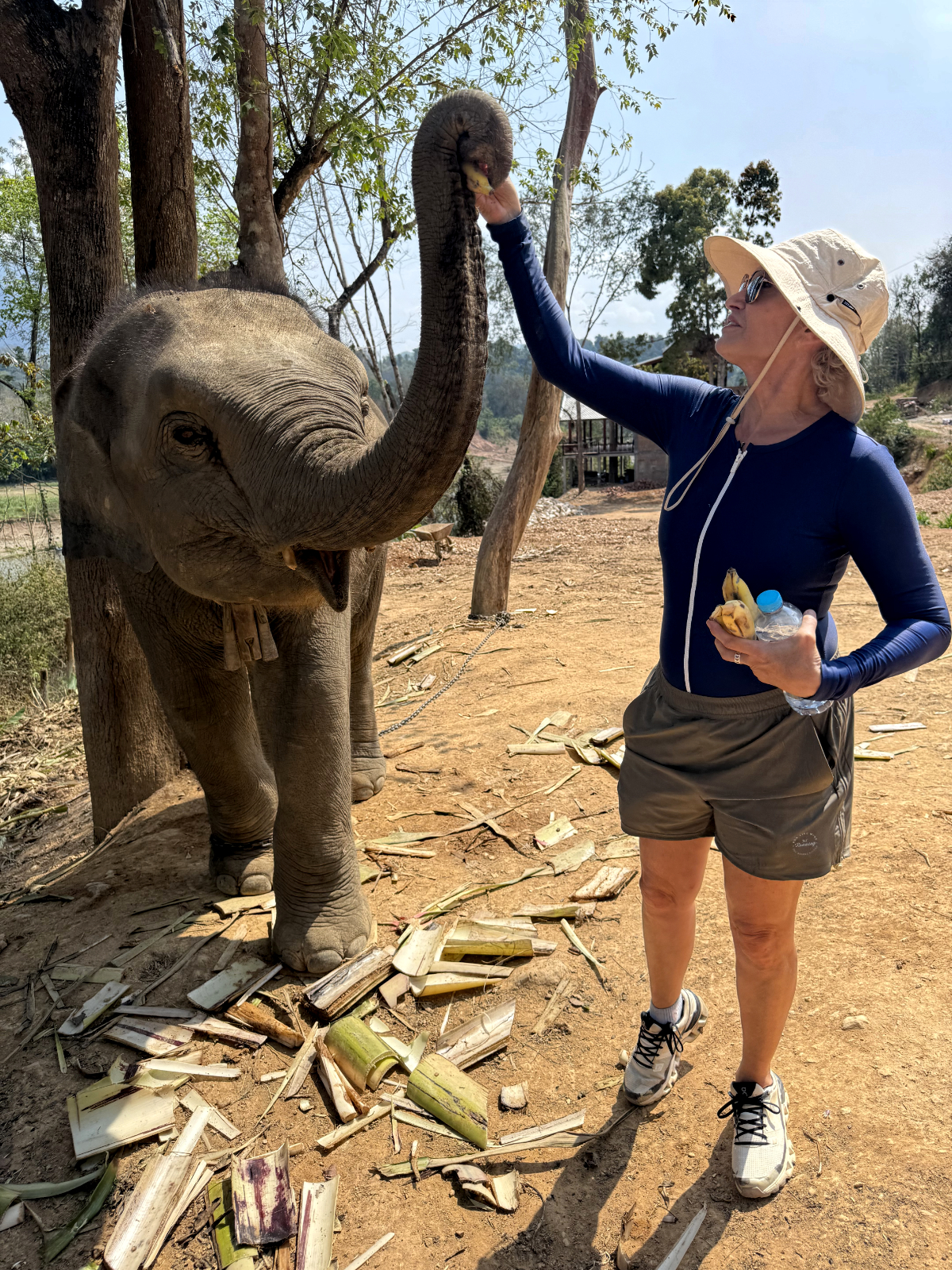
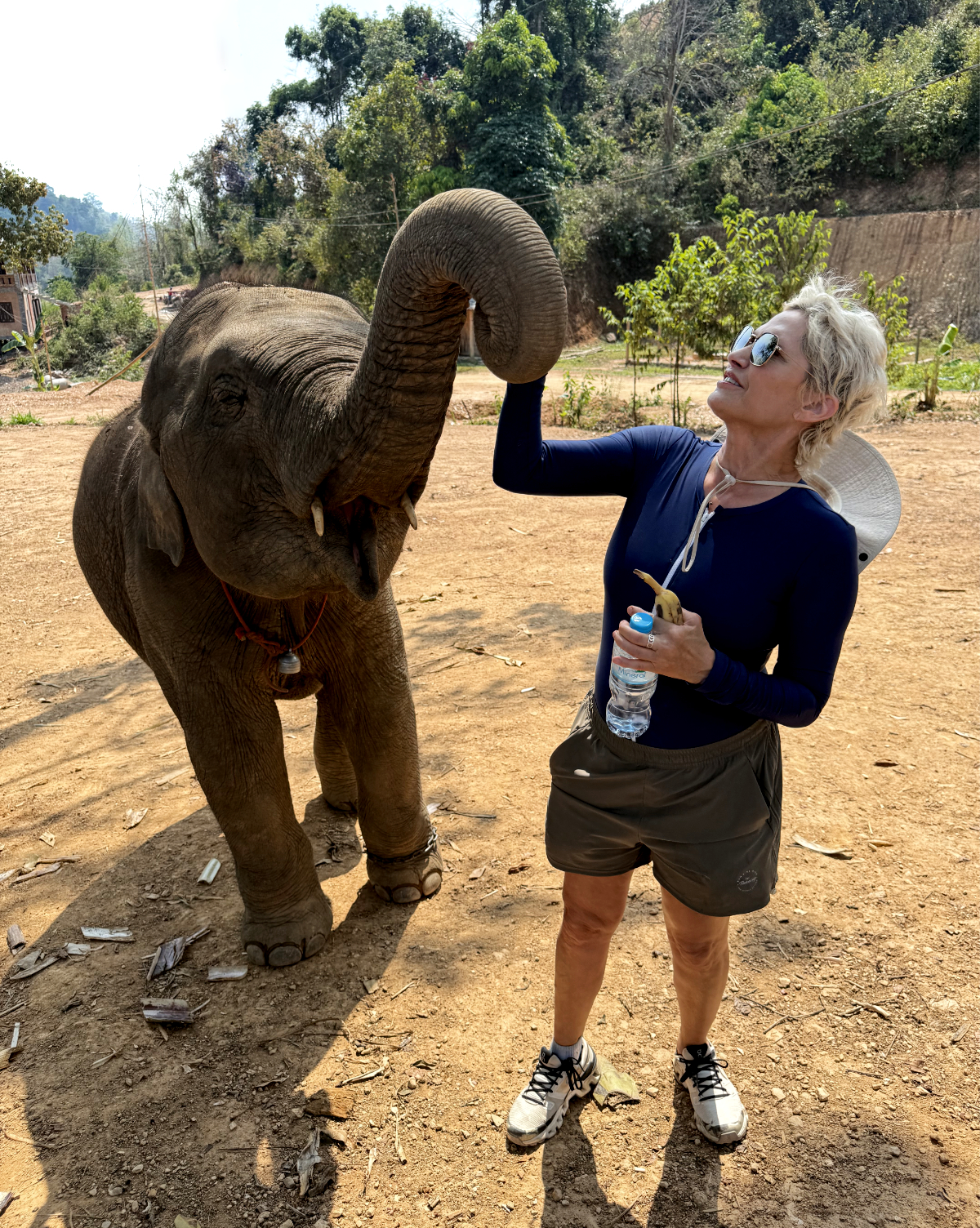
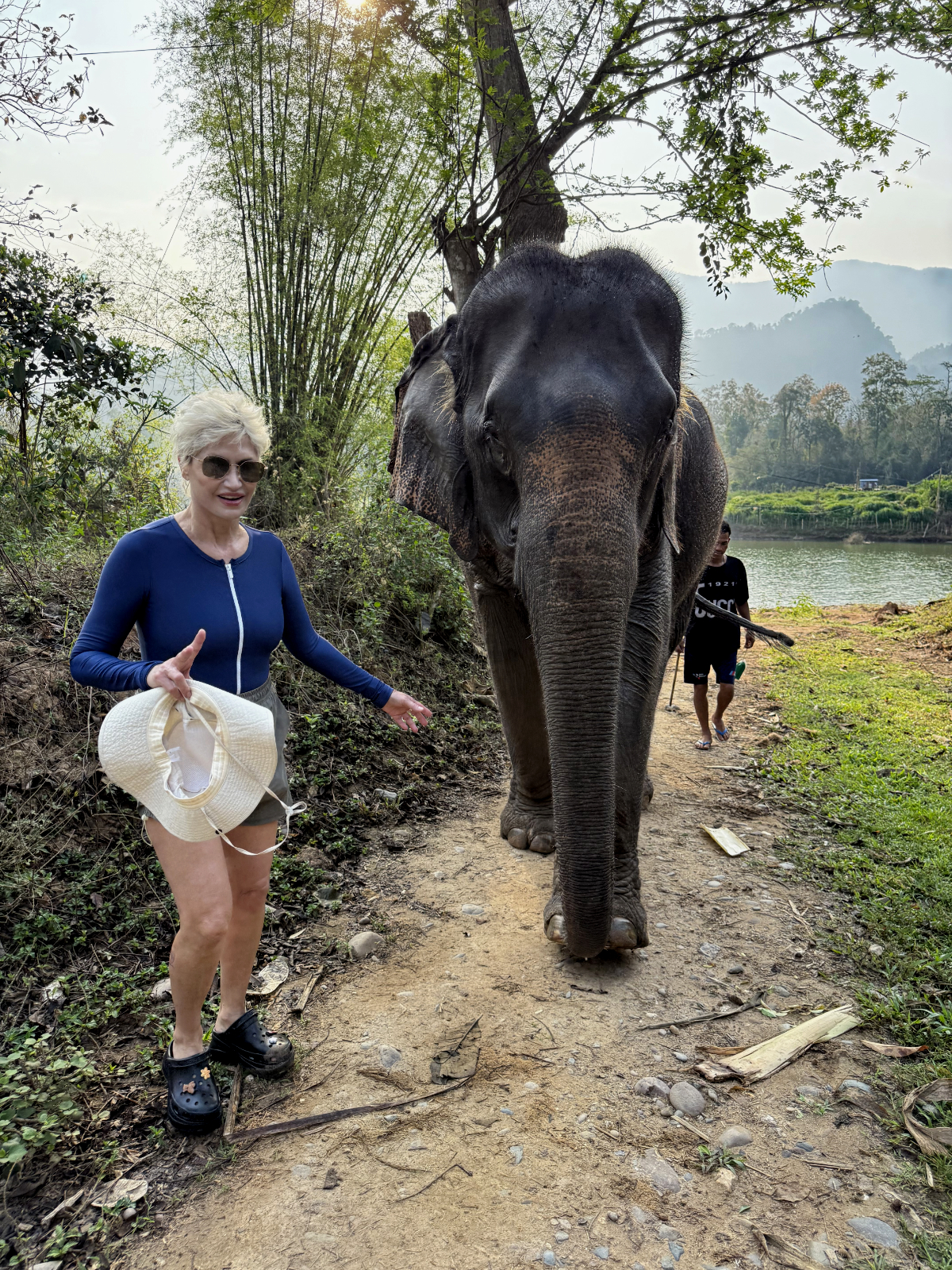
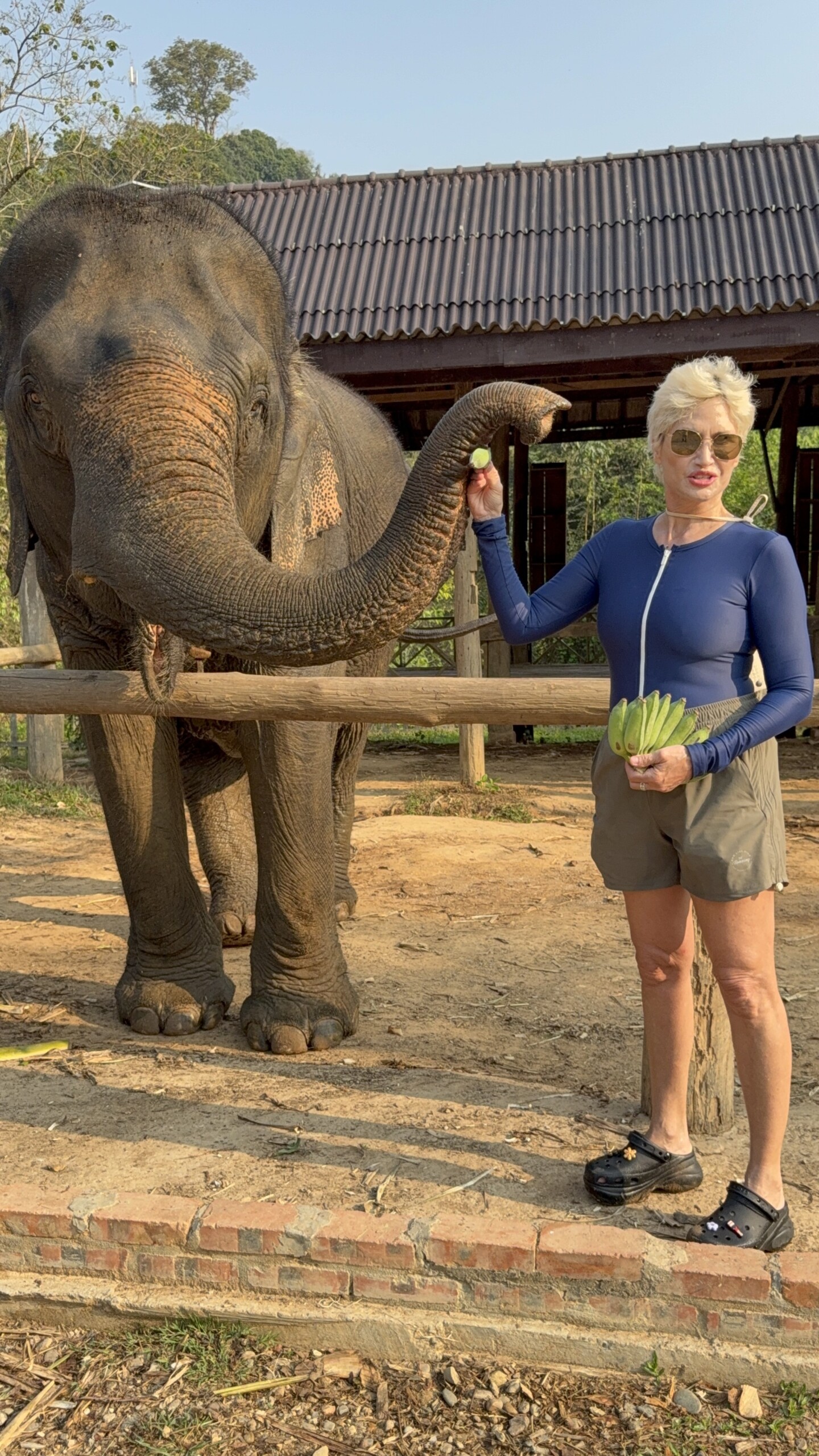
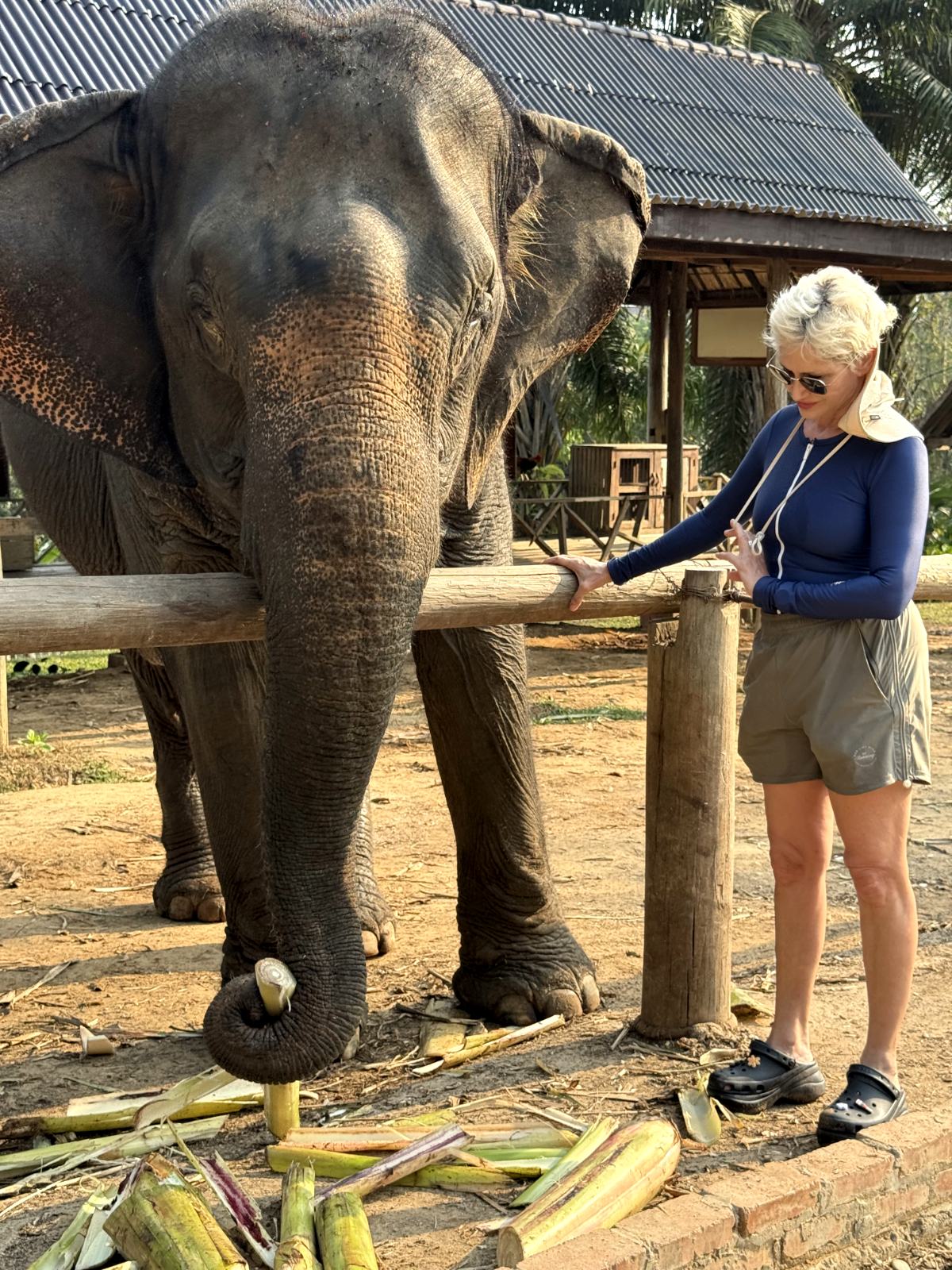
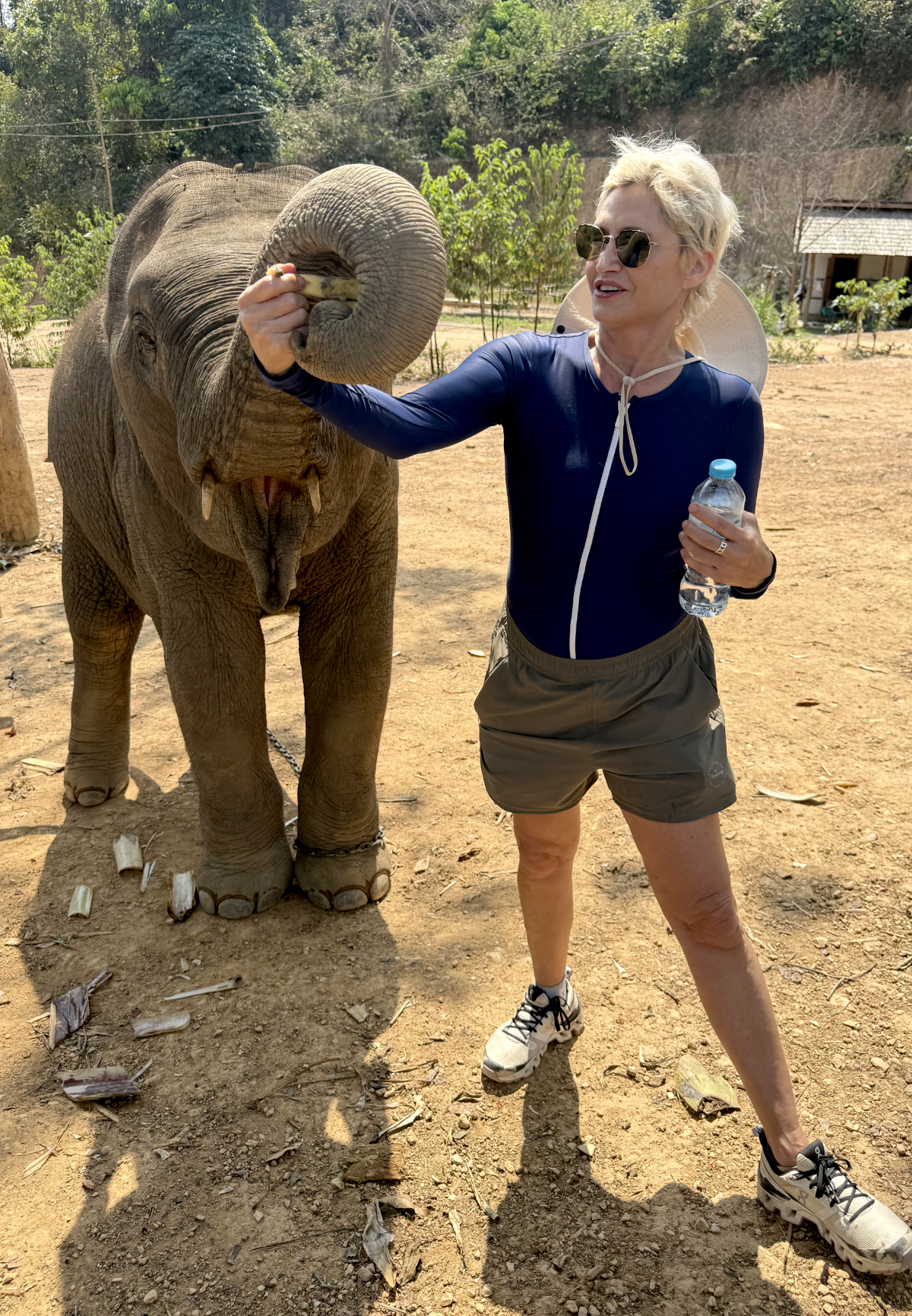
My meet-and-greet with the resorts three full time Proboscidean residents — whose names I immediately forget — has them inhaling three bunches of bananas in less than sixty seconds.
Good Lord… for real, these guys eat constantly. Without tourists like me, places like Elephant Village have a low probability of survival.
Government support for animal conservation around the globe is laughable.
Within the next twenty years, the UN warns that 1 million — MILLION — animal and plant species are threatened with extinction. Biologists estimate that without aggressive intervention, 30–50 percent of all species on Earth could face extinction by 2050.
I’m beyond nauseous.
Nothing hurts me more than knowing these incredible creatures, along with so many other inspiring animals, may leave the planet before I do.
It’s so bad I can’t even watch nature shows anymore because my heart breaks knowing their possible and inevitable removal from here.
Dragging myself back into the present, reminding myself that reality can only exist in the here and now, I focus on this moment — touching and loving on these massive, beautiful creatures.
How lucky am I?
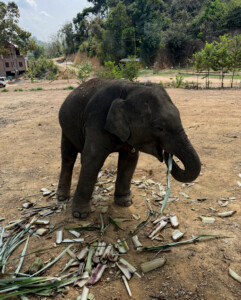
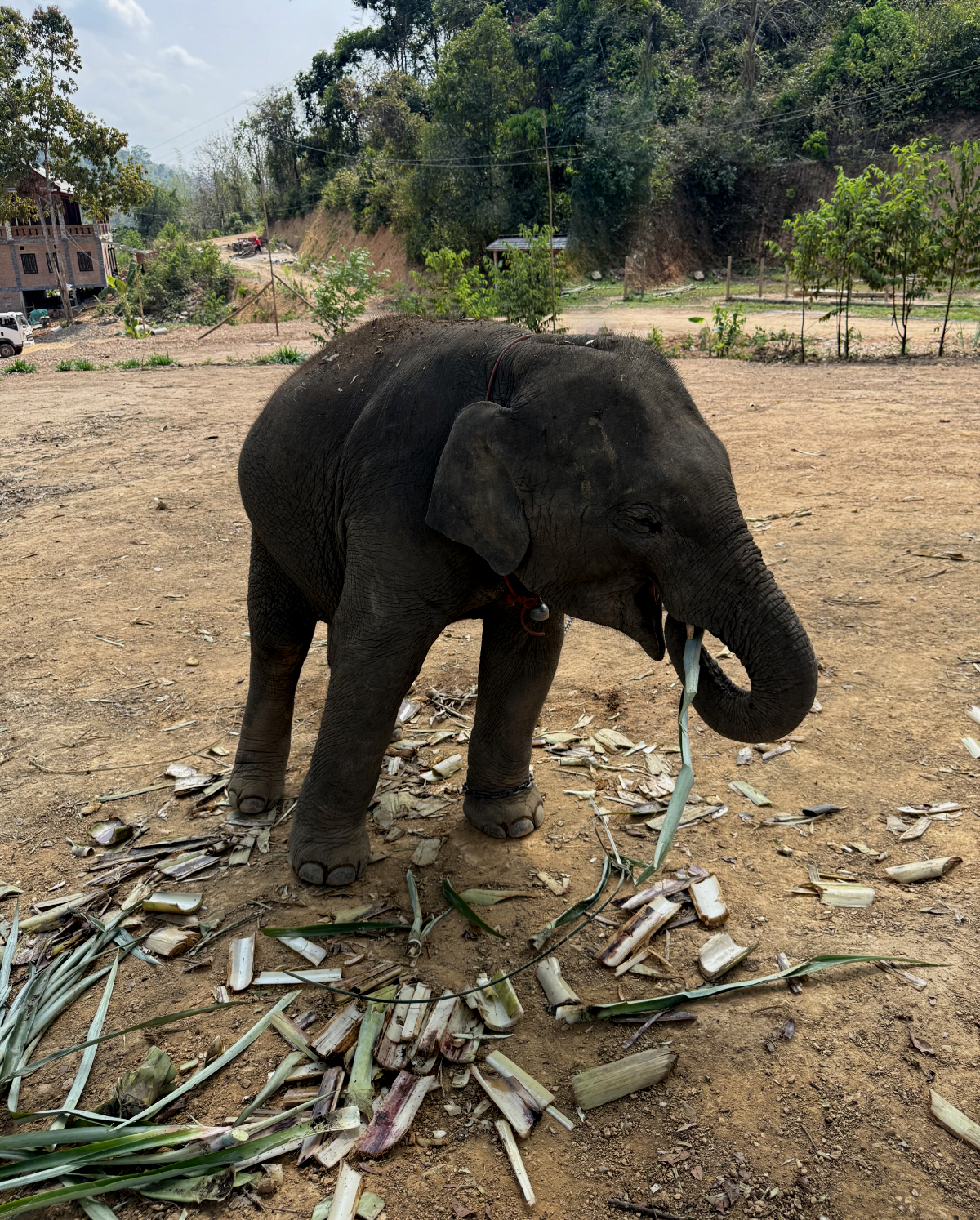
Wiping away tears, we head to the baby elephants.
Strategic move… again, taking babies from their mothers and chaining them up throws me into a push-and-pull argument over what is ethical and what is salvation.
Needing a break from my own head, we make out way toward dinner.
Subdued, I cut into my steak meal, chewing purposefully as to not lose the moment.
Thoughts of mortality invade.
Maybe not mortality, mortality… more like my one-year commitment is only weeks away and a creeping realization is setting in that nowhere I’ve been up to this point is going to work.
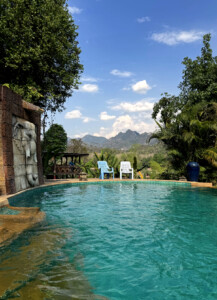
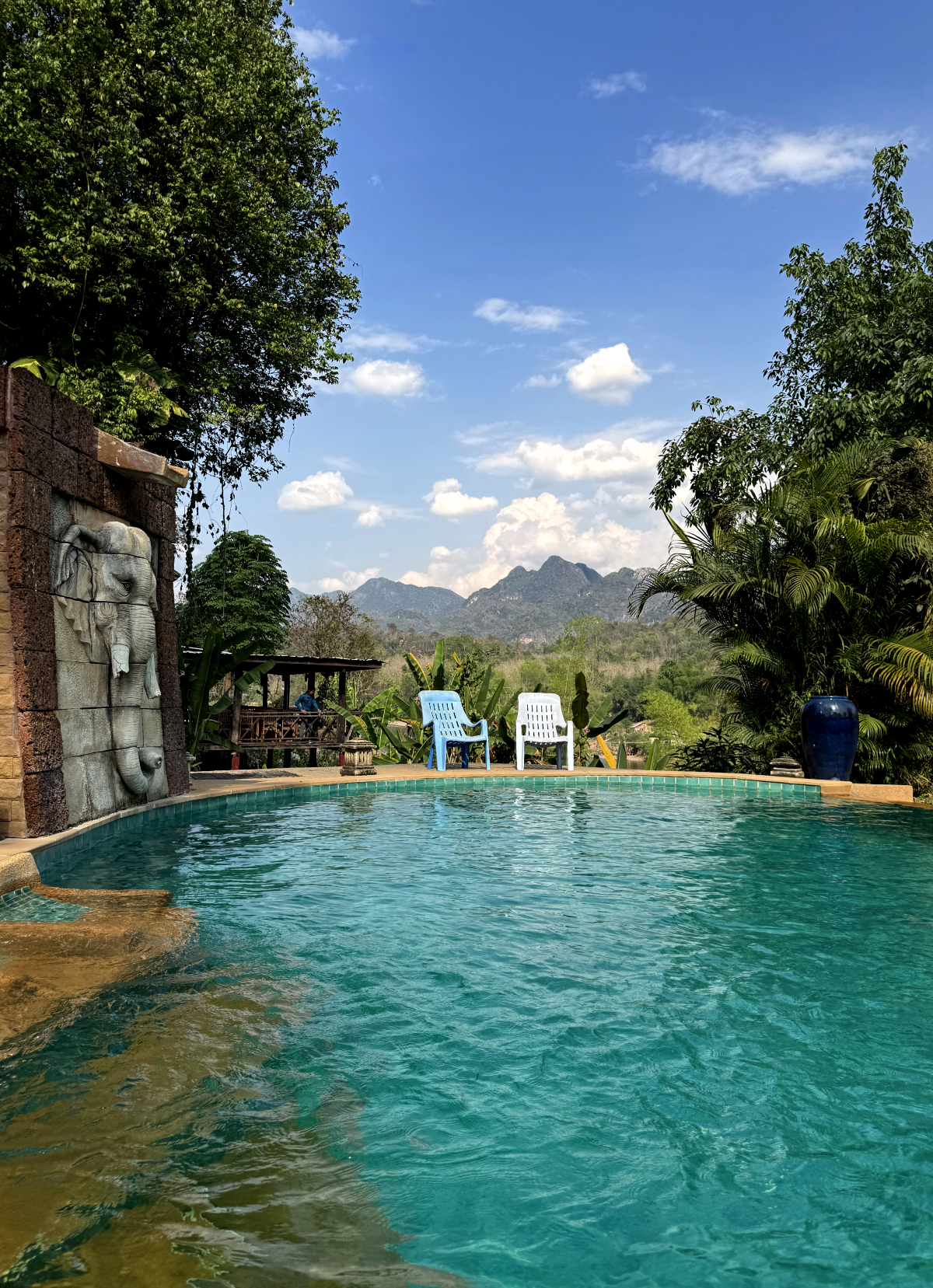
Feeling pensive, I take a quick dip in the resort pool, hoping to shake off thoughts of impending doom and gloom.
Back in my tent, my Aussie mate Denise — who I’d met in Borneo — messages me.
Comic relief Denise and I had kept in touch via WhatsApp over the months; and then it hits me.
She and her sisters are planning a trip to Taiwan. My hippocampus obviously enhanced by elephant transference.
Taiwan had never really been on my radar. Not technically Southeast Asia, and not technically anywhere I’d ever seriously considered or even heard much about.
Where the hell even is it?
Who gives a shit.. My directionally dyslexic compass tells me all roads lead to Taipei..
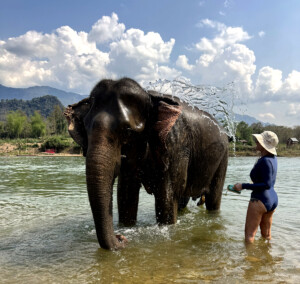
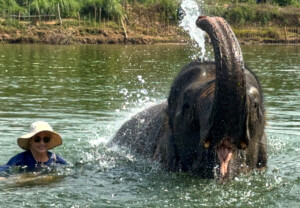
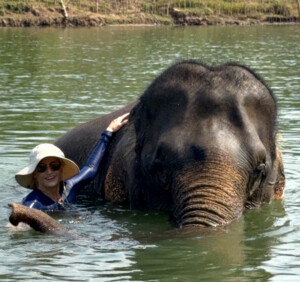
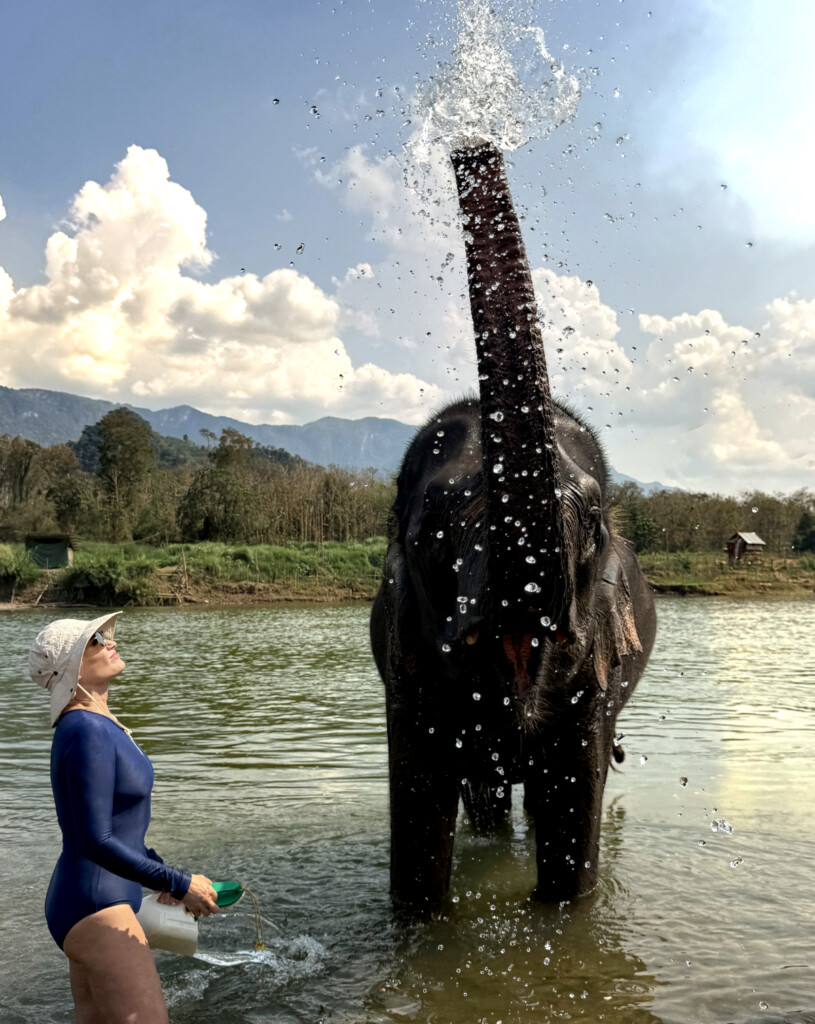
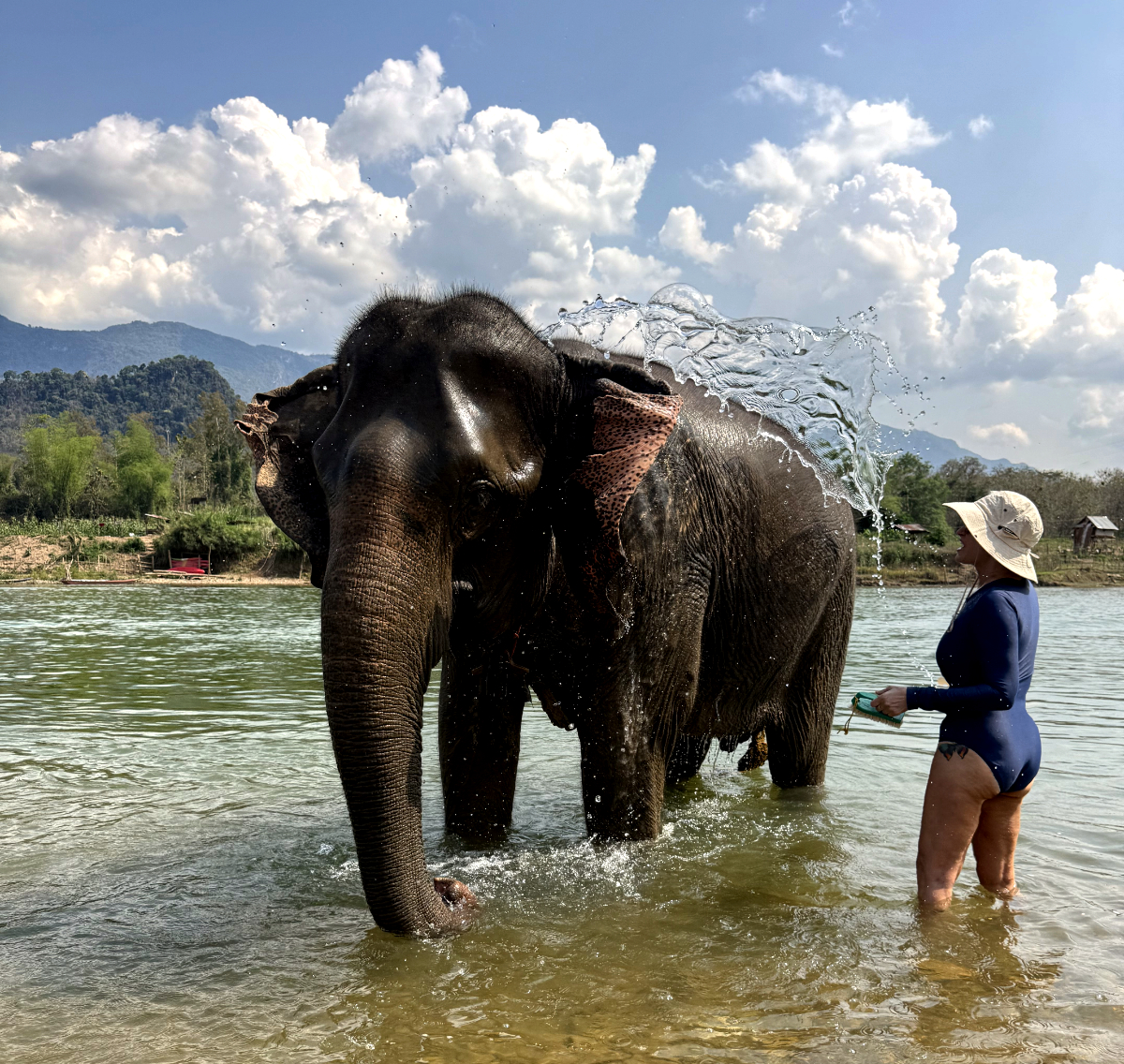
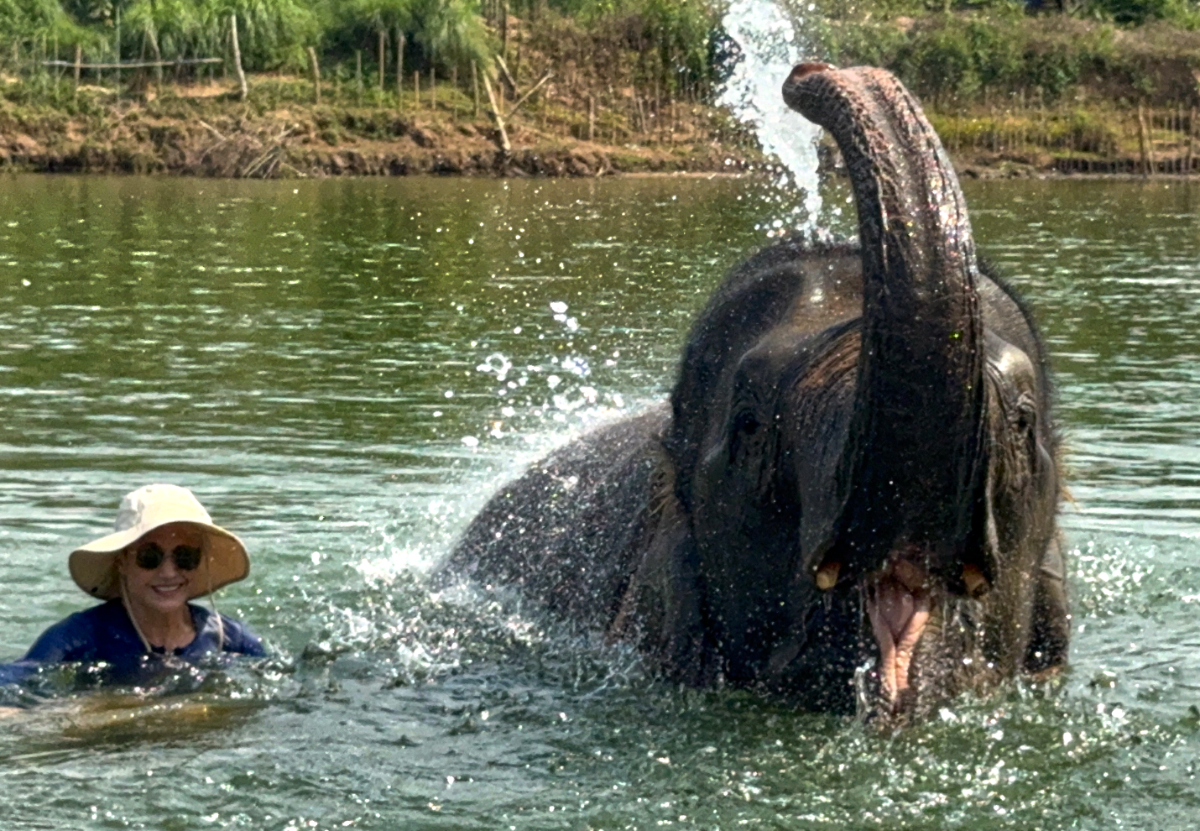
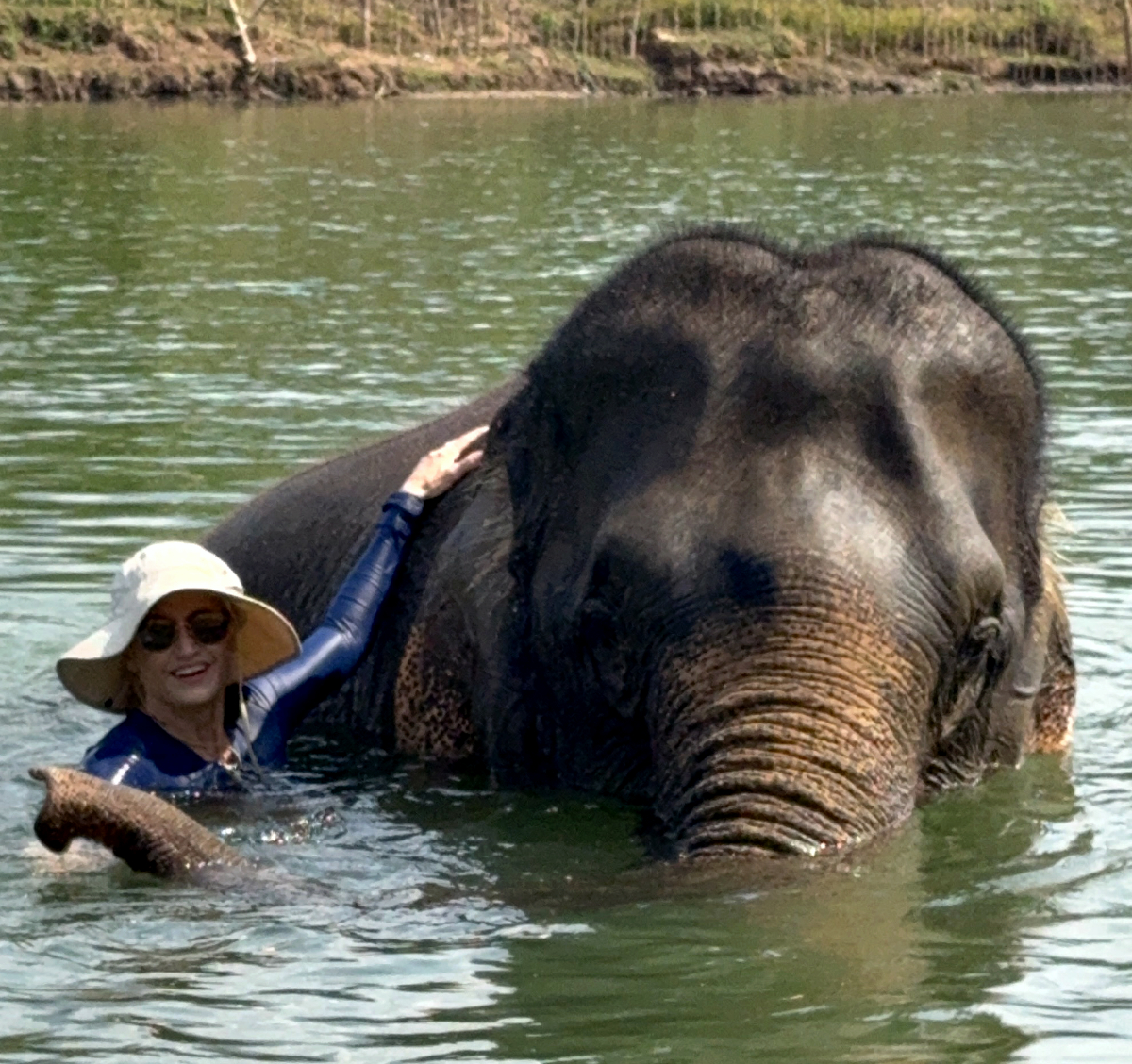
Awaking to elephants trumpeting outside my doorway I make my way to the river to wash my pachyderm. Makes more sense for her to shower me. No matter.
In the scheme of things it’s irrelevant..
Once upon a time, Laos was known as the Land of a Million Elephants.
One day soon there’ll be none.
If this post made you laugh, think, cry, or briefly consider adopting a pachyderm, help keep this travel humorist wandering.
Buy me a glass of wine 🍷